CM Saini calls Haryana anti-drug drive a people's movement
Synopsis
Haryana Chief Minister Nayab Singh Saini on 26 July 2026 called the state's anti-drug drive a collective public resolve, urging youth to lead a Nasha Mukt Haryana movement and build a healthy future for coming generations.
Key Takeaways
CM Nayab Singh Saini posted on 26 July 2026 calling Haryana's anti-drug campaign a jansankalp — a public resolve, not just a government scheme.
He identified Haryana's youth as the 'greatest strength' of the anti-drug fight through their energy, awareness, and participation.
Saini urged all citizens to convert the Nasha Mukt Haryana pledge into a jan andolan — a people's movement.
The messaging aligns with the Nasha Mukt Bharat Abhiyan , the national programme launched in August 2020 by the Ministry of Social Justice and Empowerment.
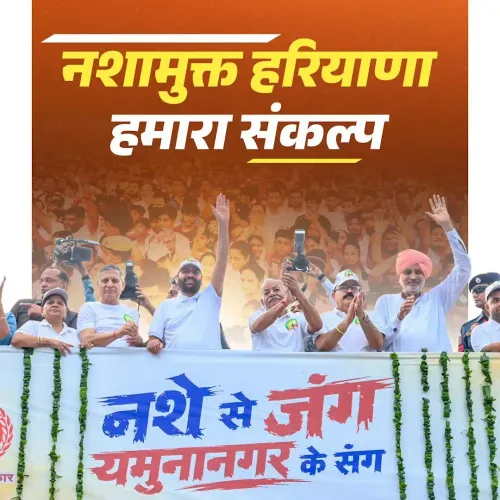
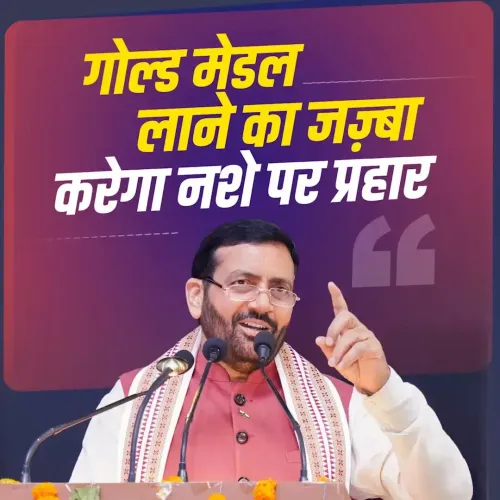
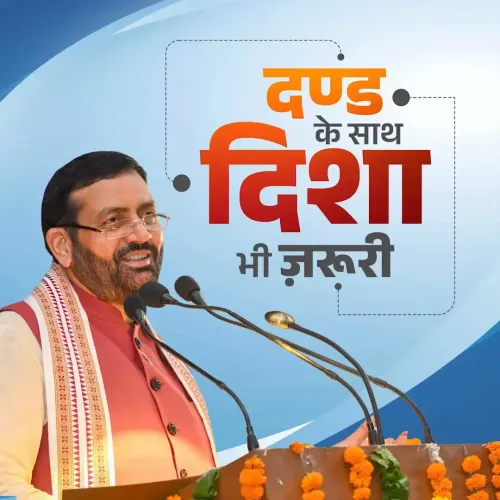
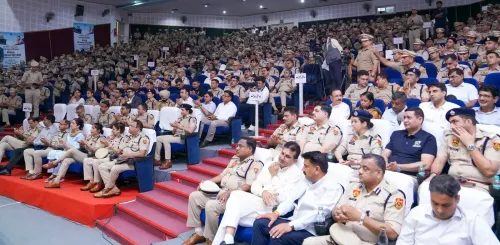
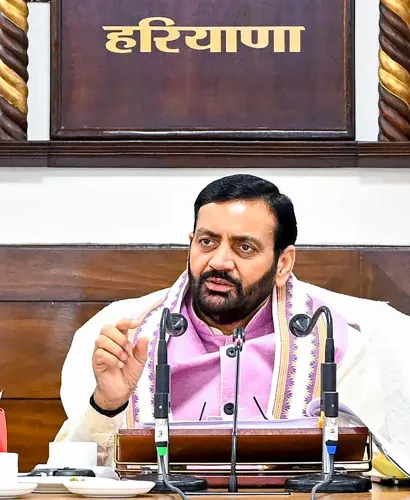
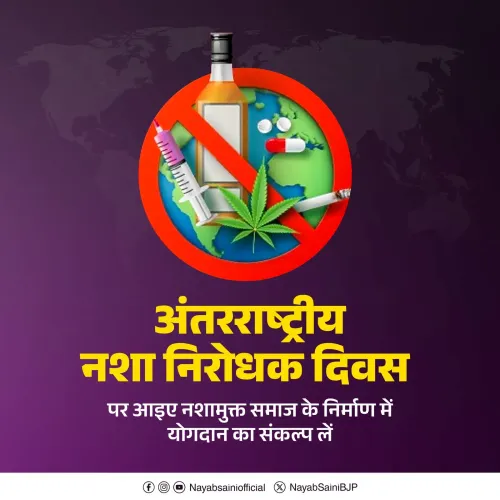
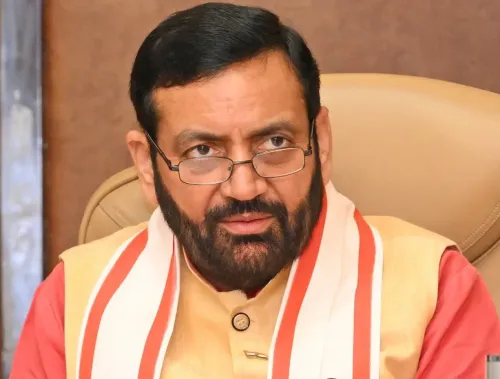
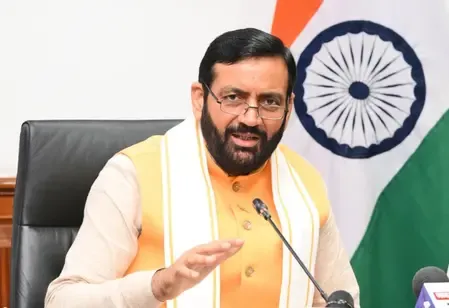
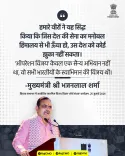
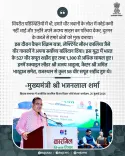
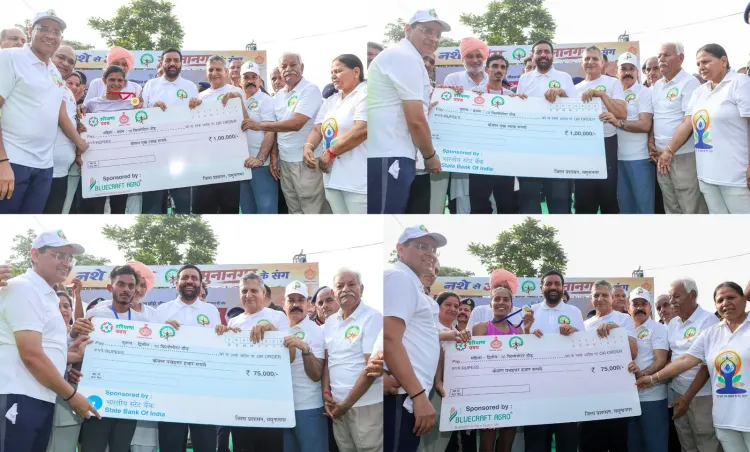
The post was accompanied by four images and framed the campaign as a generational responsibility for a 'healthy, safe and bright future.'
Haryana Chief Minister Nayab Singh Saini on Sunday, 26 July 2026, called the state's ongoing anti-drug campaign a collective public resolve — not merely a government initiative — urging citizens to transform the push for a drug-free Haryana into a mass movement.
Context
Posting on X with four accompanying images, CM Saini wrote in Hindi: 'नशे के विरुद्ध यह केवल एक अभियान नहीं, बल्कि स्वस्थ, सुरक्षित और सशक्त हरियाणा के निर्माण का जनसंकल्प है' — 'This is not merely a campaign against drugs, but a public resolve to build a healthy, safe and empowered Haryana.' He specifically identified youth energy, awareness, and participation as the 'greatest strength' of this fight.
The Chief Minister added that when young people step forward with the message of staying away from drugs and adopting a healthy lifestyle, 'a new consciousness of positive change spreads through society.' He called on all citizens to collectively make the pledge for a Nasha Mukt Haryana (drug-free Haryana) into a jan andolan — a people's movement — for the sake of future generations.
Policy Backdrop
The post aligns with the Nasha Mukt Bharat Abhiyan, the national awareness and action programme launched in August 2020 by the Ministry of Social Justice and Empowerment to reduce drug demand through community outreach and youth involvement. Haryana, a northern state bordering Delhi, has been among the states covered under the central programme since its inception.
State governments across northern India have repeatedly framed anti-drug efforts as participatory social movements, combining awareness drives with youth mobilisation. The BJP-led administrations at both the central and state levels have consistently used public messaging to reinforce this framing as part of broader social welfare and public health strategies.
Stakeholders and Impact
The primary audience of CM Saini's message is Haryana's youth — both in rural agricultural communities and urban centres — who remain the stated focus of demand-reduction efforts under the national programme. Families across the state are also key stakeholders, as substance abuse among young people carries direct household and economic consequences.
By invoking the language of jansankalp (public resolve) and jan andolan (people's movement), the Chief Minister is positioning the campaign beyond administrative action, seeking to build social ownership of the anti-drug agenda at the community level.
What's Next
Observers will watch for the rollout of district-level awareness drives, school and college outreach programmes, and any expanded coordination between the Haryana government and central ministry guidelines on rehabilitation infrastructure. If the campaign is formalised into structured programming, it could serve as a template for other BJP-governed states facing similar public health pressures. The Chief Minister's framing as a generational responsibility signals that the political messaging around this issue is likely to intensify in the months ahead.
Point of View
Which reduces political accountability while broadening social buy-in. This mirrors a well-worn BJP communication strategy of embedding government programmes within the language of mass participation and national character. For Haryana specifically, where substance abuse among rural and semi-urban youth has been a persistent concern, the Chief Minister's emphasis on youth agency is both politically safe and socially resonant. The post signals that anti-drug messaging will remain a central pillar of the state's welfare communication ahead of any future electoral cycle.
NationPress
26 Jul 2026
Frequently Asked Questions
What is the Nasha Mukt Haryana campaign about?
Nasha Mukt Haryana is a state-level anti-drug initiative aimed at eliminating substance abuse through youth participation, community awareness, and public resolve, aligned with the national Nasha Mukt Bharat Abhiyan launched in 2020.
What did CM Nayab Singh Saini say about the drug campaign?
CM Saini said the anti-drug campaign is not merely a government initiative but a public resolve — a jansankalp — to build a healthy, safe and empowered Haryana, and called on citizens to make it a people's movement.
What is the Nasha Mukt Bharat Abhiyan?
Nasha Mukt Bharat Abhiyan is a national programme launched in August 2020 by the Ministry of Social Justice and Empowerment to reduce drug demand across India through community outreach and youth involvement, covering states including Haryana.
Why is youth participation important in Haryana's anti-drug drive?
CM Saini specifically identified youth energy and awareness as the 'greatest strength' of the campaign, arguing that when young people adopt and spread the message of a drug-free lifestyle, positive social change follows at the community level.
What can we expect next from Haryana's anti-drug campaign?
Observers will watch for district-level awareness drives, school outreach programmes, and expanded coordination with central ministry guidelines on rehabilitation centres as the state moves to operationalise the campaign beyond public messaging.