CM Saini Hails ₹1,856.67 Cr Sports Goods Scheme for Haryana
Synopsis
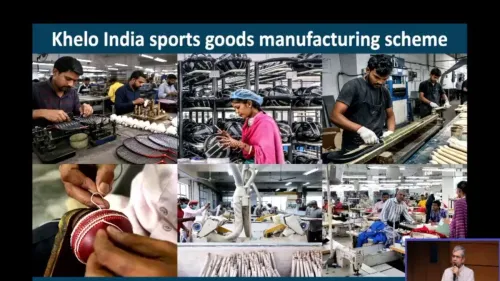
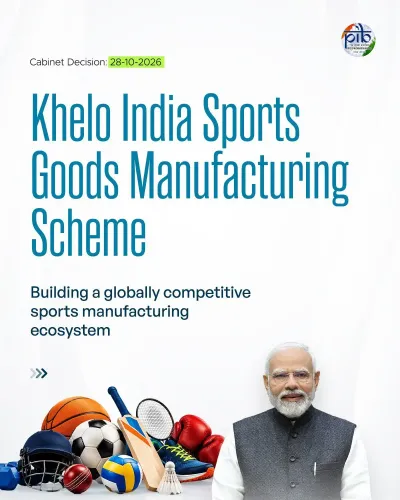
The Union Cabinet approved the ₹1,856.67 crore Khelo India Sports Goods Manufacturing Scheme to make India a global sports equipment hub. Haryana CM Nayab Singh Saini praised PM Modi, calling it a major opportunity for the state's youth and entrepreneurs.
Key Takeaways
The Union Cabinet approved the Khelo India Sports Goods Manufacturing Scheme with an outlay of ₹1,856.67 crore .
Haryana CM Nayab Singh Saini publicly thanked PM Narendra Modi for the Cabinet decision on October 28, 2026 .
The scheme aims to make India a global manufacturing hub for sports goods, reducing import dependence.
It extends the Khelo India programme, launched in 2017 , into the manufacturing and economic dimension of sports.
Haryana, a state with an outsized sporting tradition, stands to benefit through new entrepreneurial and employment opportunities in sports goods production.
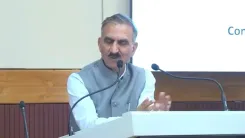
A ₹1,856.67 crore bet on making India the world's sports equipment workshop — that is the scale of the Khelo India Sports Goods Manufacturing Scheme, approved by the Union Cabinet and cheered loudest, perhaps, by Haryana Chief Minister Nayab Singh Saini on Wednesday, October 28, 2026.
Saini took to X to express gratitude to Prime Minister Narendra Modi, saying he thanks the PM 'from the heart' for the Cabinet's approval. In his post, Saini framed the scheme as a door-opener: it will, he wrote, 'play an important role in opening new avenues of possibilities for the youth and entrepreneurs of Haryana — the land of sports.'
What the ₹1,856.67 Crore Scheme Actually Does
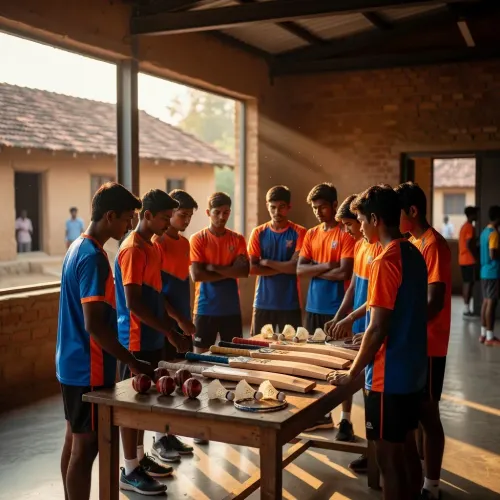
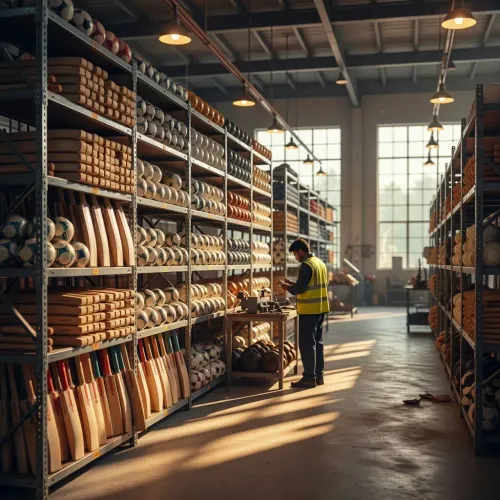
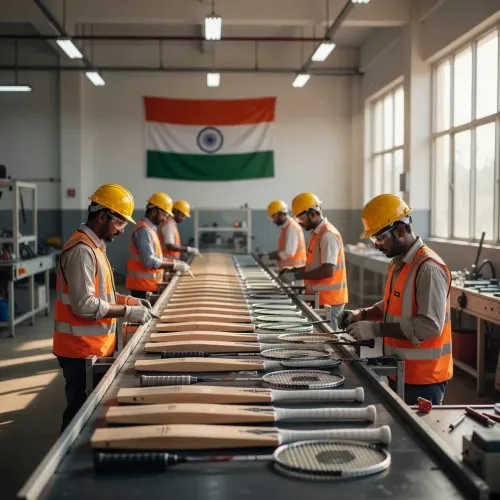
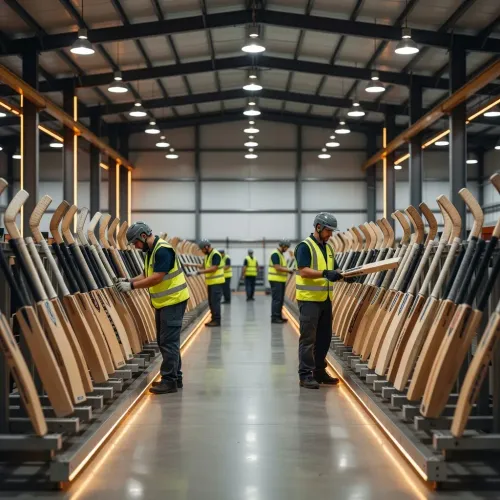
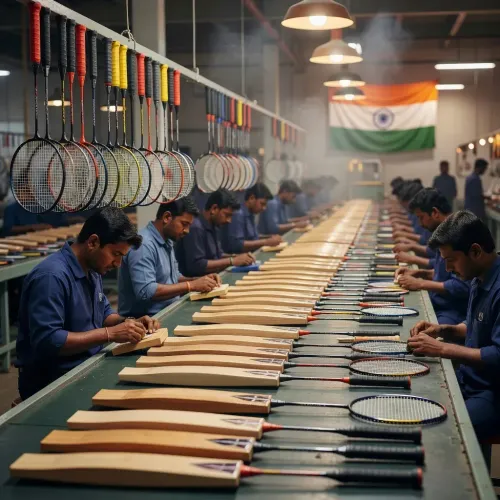
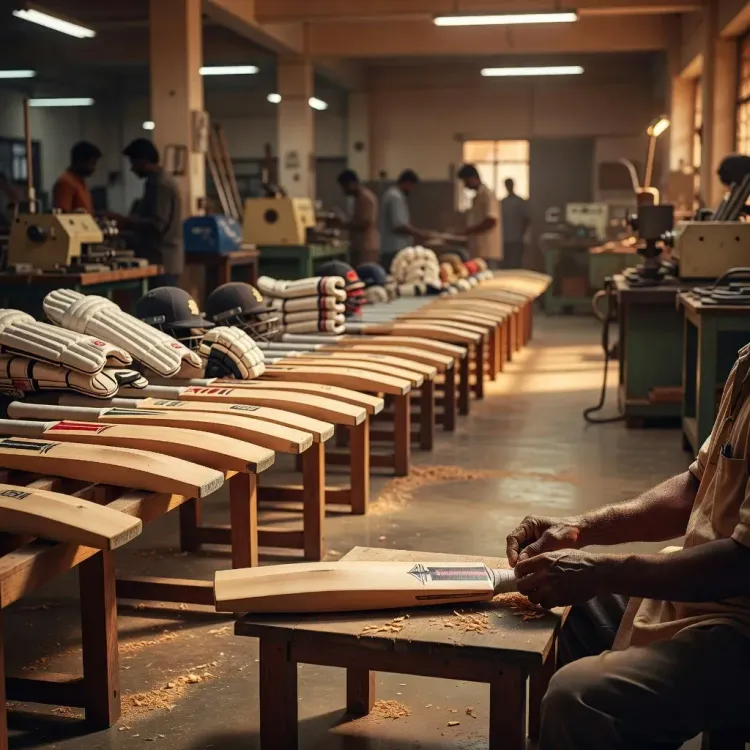
The Khelo India Sports Goods Manufacturing Scheme is a dedicated central outlay to scale up domestic production of sports equipment — helmets, bats, rackets, mats, and the full arsenal of athletic gear that India currently imports in substantial volumes. The ambition is explicit: position India as a global manufacturing hub for sports goods, not just a consumer of them.
The scheme sits squarely within the broader Khelo India programme, the flagship sports revival initiative launched in 2017 that has already seeded talent identification centres, upgraded infrastructure, and funded grassroots competitions across states. Manufacturing capacity was the missing link. This scheme attempts to close it.
Why Haryana Is Watching This Closely
Haryana is not just another state in this story. It punches absurdly above its weight in Indian sport — a disproportionate share of Olympic and Commonwealth Games medallists carry Haryana addresses. That talent pipeline now has a potential economic corollary: if manufacturing clusters emerge here, the state gains both jobs and proximity to its own athletic ecosystem.
CM Saini was quick to connect those dots publicly. For Haryana's entrepreneurs, the scheme signals access to central incentives for setting up or expanding sports goods units. For the state's youth, it could mean manufacturing employment layered on top of the sporting culture already embedded in districts like Sonipat, Rohtak, and Bhiwani.
Make in India's New Playing Field
The scheme also fits a longer policy arc. Since 2014, the Make in India initiative has pushed domestic manufacturing across sectors — defence, electronics, textiles. Sports goods represent a niche but symbolically potent addition: a country that aspires to top global medal tallies should, the argument goes, also build the equipment that gets athletes there.
India's sports goods industry, centred historically around Jalandhar in Punjab, has global exports but faces stiff competition from China and Pakistan. A dedicated scheme with a nearly ₹1,900 crore outlay could meaningfully shift that competitive landscape — if the guidelines and disbursement timelines follow through at pace.
The Cabinet has cleared the vision. The next test is execution: scheme guidelines, fund flow, and whether states like Haryana announce manufacturing clusters that turn political enthusiasm into factory floors.
Point of View
The scheme offers a rare double dividend: it reinforces the state's sporting identity while giving CM Saini a concrete economic development narrative ahead of any future electoral cycle. Nationally, the ₹1,856.67 crore outlay tests whether Make in India can penetrate niche, globally competitive sectors beyond the familiar anchors of defence and electronics. The scheme's real measure will be in execution speed — guideline clarity, state-level MoUs, and whether manufacturing clusters materialise or remain on paper.
NationPress
28 Oct 2026
Frequently Asked Questions
What is the Khelo India Sports Goods Manufacturing Scheme?
It is a newly approved central government scheme with an outlay of ₹1,856.67 crore aimed at boosting domestic sports equipment production and positioning India as a global manufacturing hub for sports goods.
Why did CM Nayab Singh Saini welcome this scheme for Haryana?
CM Saini highlighted that Haryana is a leading sports state, and the scheme opens new opportunities for its youth and entrepreneurs to participate in sports goods manufacturing with central government support.
How does this scheme relate to the Khelo India programme?
The Khelo India Sports Goods Manufacturing Scheme is an extension of the broader Khelo India programme launched in 2017, adding a manufacturing and economic dimension to its existing focus on sports infrastructure and talent development.
What is the budget allocated for the Khelo India Sports Goods Manufacturing Scheme?
The Union Cabinet approved an outlay of ₹1,856.67 crore for the scheme.
How does this scheme connect to Make in India?
The scheme aligns with the Make in India initiative launched in 2014 by pushing domestic manufacturing in the sports goods sector, aiming to reduce India's dependence on imported sports equipment.