CM Saini Hails PM-SSY Floating Solar Scheme Approval
Synopsis
The Union Cabinet has approved the Pradhan Mantri Surya Sarovar Yojana with a ₹5,070 crore outlay targeting 5,000 MW of floating solar capacity. Haryana CM Nayab Singh Saini called it a landmark step toward energy self-reliance under PM Modi's leadership.
Key Takeaways
The Union Cabinet approved the Pradhan Mantri Surya Sarovar Yojana (PM-SSY) on 31 July 2026 .
The scheme carries a financial provision of ₹5,070 crore .
It targets 5,000 MW of floating solar capacity and 10,000 MWh of associated infrastructure.
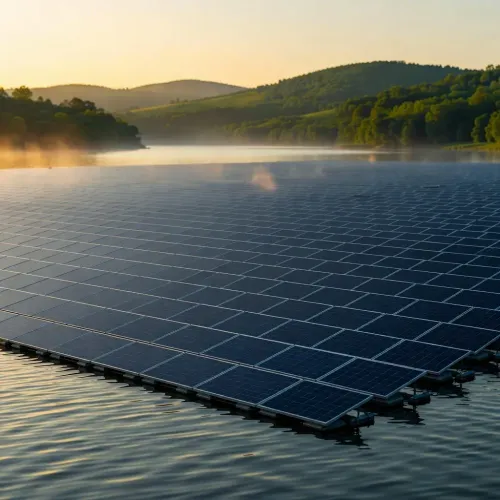
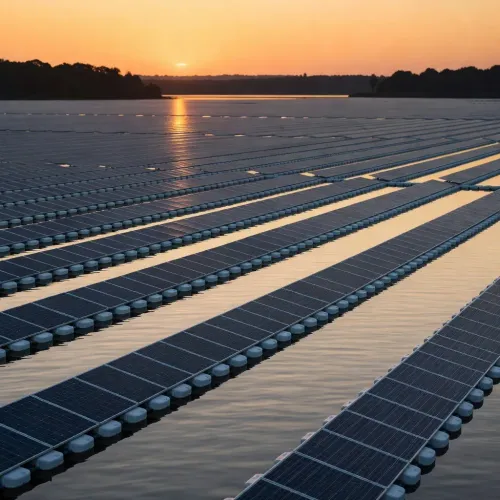
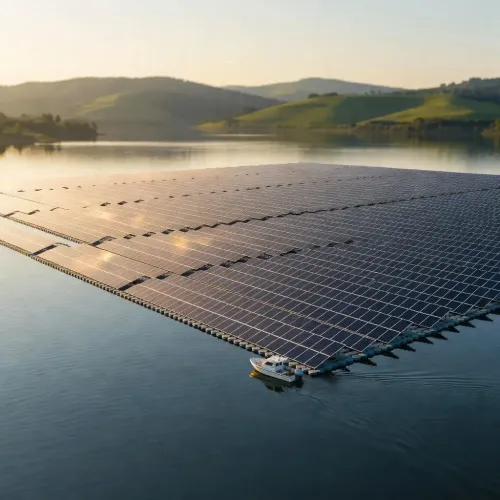
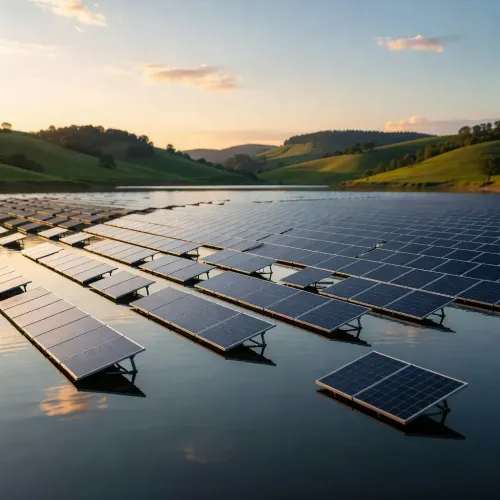
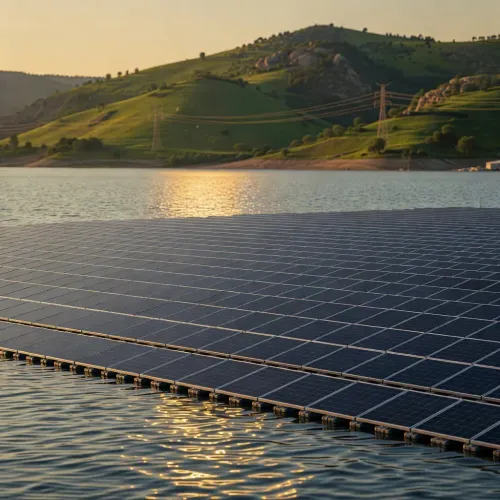
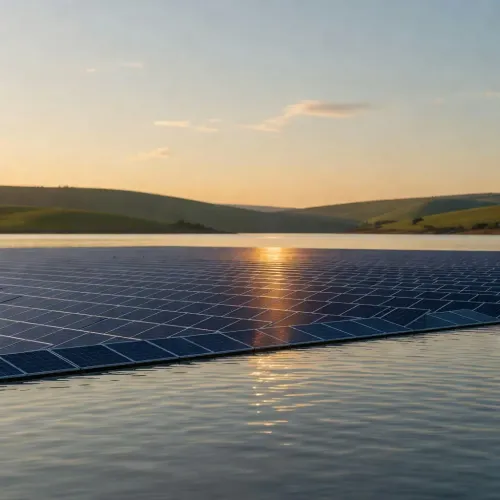
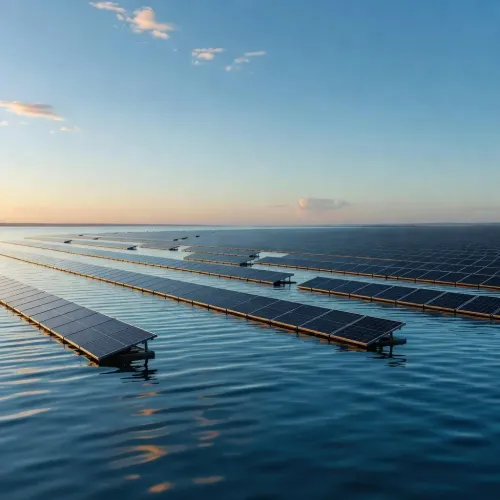
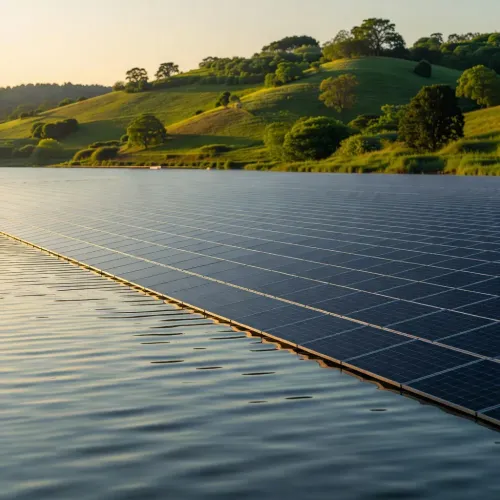
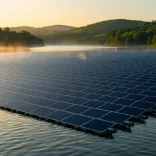
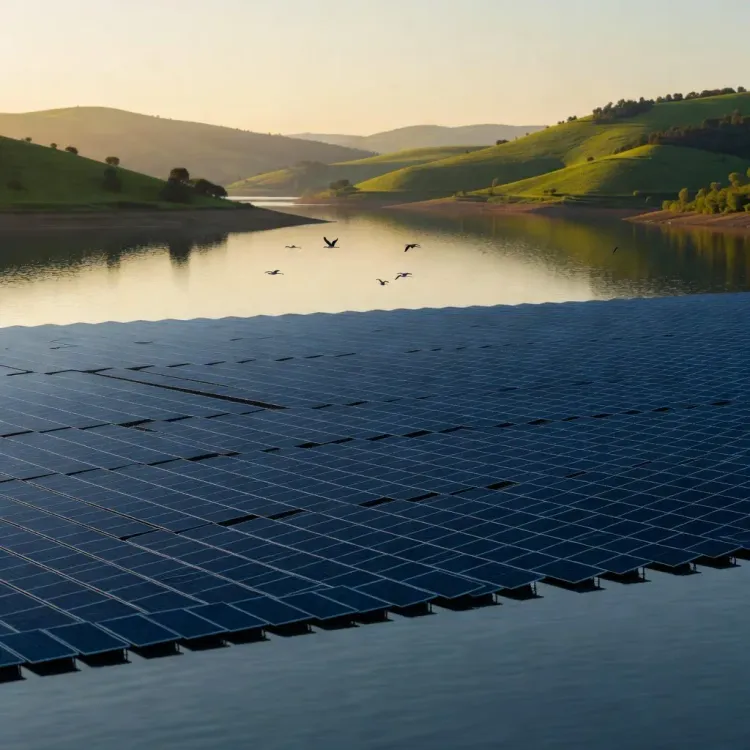
Floating solar on reservoirs addresses land constraints while improving panel efficiency through water cooling.
The approval advances India's 500 GW non-fossil fuel target by 2030 committed at COP26.
State-level project allocations and tender timelines under PM-SSY are the critical next steps to watch.
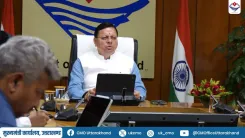
India's renewable energy ambitions just got a major boost. Haryana Chief Minister Nayab Singh Saini on Friday, 31 July 2026, welcomed the Union Cabinet's approval of the Pradhan Mantri Surya Sarovar Yojana (PM-SSY), calling it a historic step toward an energy self-reliant India.
Posting in Hindi, Saini said the scheme — cleared under the 'visionary leadership' of Prime Minister Narendra Modi — carries a provision of ₹5,070 crore to build 5,000 MW of floating solar capacity and 10,000 MWh of associated infrastructure. 'ऊर्जा आत्मनिर्भर भारत' ('Energy Self-Reliant India'), he called it — a phrase that crystallises the political and policy logic behind the push.
Why Floating Solar, and Why Now
Floating solar is not a novelty — it is a calculated answer to one of India's most persistent clean-energy headaches: land. Ground-mounted solar farms devour hectares. Reservoirs, irrigation tanks, and lakes do not. Panels anchored on water also run cooler, which boosts generation efficiency, while reducing evaporation from the water body beneath. For a country racing toward its 500 GW non-fossil fuel target by 2030 — a commitment made at COP26 in Glasgow in 2021 — every efficiency gain counts. India's solar journey stretches back to the Jawaharlal Nehru National Solar Mission of 2010, which first placed grid-connected solar on the national agenda at scale. The PM-SSY, if the figures hold, would represent one of the largest single-scheme floating solar pushes anywhere in the world.What the ₹5,070 Crore Allocation Signals
The Cabinet outlay is a direct signal to renewable energy developers and state power utilities: the Centre is willing to put serious capital behind floating solar, not just set targets. The 10,000 MWh storage or associated capacity component — the post's text was truncated at the URL — suggests the scheme may bundle generation with grid-stabilisation infrastructure, a critical gap in India's current solar build-out. For Haryana, a state with irrigation reservoirs and canal networks, the scheme opens a direct pathway to project allocations. Saini's vocal endorsement is as much a signal to state power planners as it is a political statement. The next pressure points are tender timelines and state-level allocations — the gap where ambitious central schemes most often stall. Whether PM-SSY moves from Cabinet approval to commissioned megawatts at the pace the numbers demand will be the real test of this 'historic step.'Point of View
Endorsing the scheme loudly is also smart state politics: Haryana's canal and reservoir network makes it a natural beneficiary of floating solar allocations. The real analytical question is execution — India has a strong record of announcing solar targets and a mixed record of meeting them on schedule. If PM-SSY moves tender timelines faster than predecessor schemes, it will mark a genuine institutional maturation in renewable energy delivery.
NationPress
31 Jul 2026
Frequently Asked Questions
What is the Pradhan Mantri Surya Sarovar Yojana (PM-SSY)?
PM-SSY is a Union Cabinet-approved scheme targeting 5,000 MW of floating solar capacity in India, backed by a ₹5,070 crore financial provision. It places solar panels on water bodies such as reservoirs and lakes to save land and improve generation efficiency.
What is floating solar and why is it used in India?
Floating solar involves mounting photovoltaic panels on water surfaces like reservoirs and irrigation tanks. It conserves land, reduces water evaporation, and boosts panel efficiency through the cooling effect of water — key advantages for a land-constrained country like India.
Why did Haryana CM Nayab Singh Saini comment on a central government scheme?
As a BJP leader and chief minister, Saini routinely highlights central government schemes relevant to Haryana. The state's canal and reservoir infrastructure makes it a potential beneficiary of floating solar project allocations under PM-SSY.
How does PM-SSY connect to India's 2030 renewable energy target?
India pledged 500 GW of non-fossil fuel capacity by 2030 at COP26 in 2021. PM-SSY's 5,000 MW floating solar target directly contributes to that goal, adding to ground-mounted and rooftop solar already in the pipeline.
What should I watch for after the PM-SSY cabinet approval?
The key milestones are state-level project allocations under the scheme and the release of tender timelines for the 5,000 MW floating solar capacity. These will determine whether the scheme translates from approval to commissioned infrastructure on schedule.