Amit Shah: Cabinet Clears ₹5,070 Cr Floating Solar Scheme
Synopsis
The Union Cabinet approved PM-SSY on 31 July 2026, allocating ₹5,070 crore to develop 5,000 MW of floating solar PV on reservoirs, backed by 10,000 MWh of energy storage, advancing India's 500 GW clean energy target by 2030.
Key Takeaways
The Union Cabinet approved Pradhan Mantri Surya Sarovar Yojana (PM-SSY) on 31 July 2026 with a budget of ₹5,070 crore .
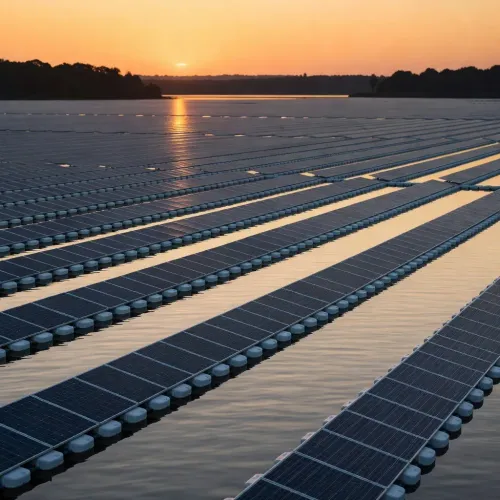
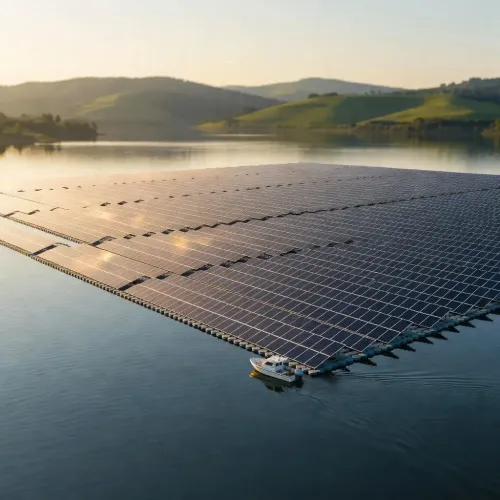
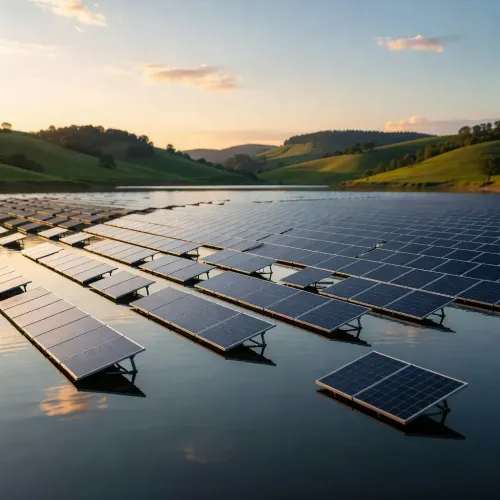
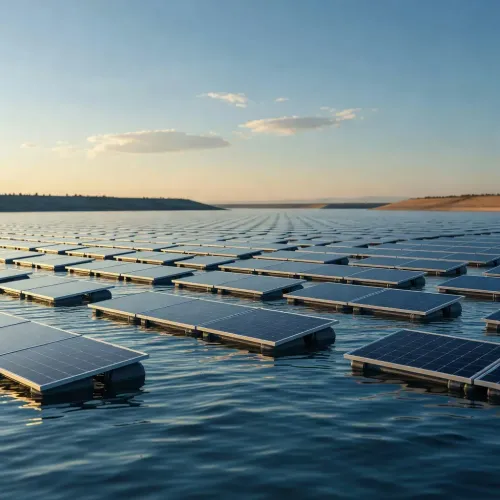
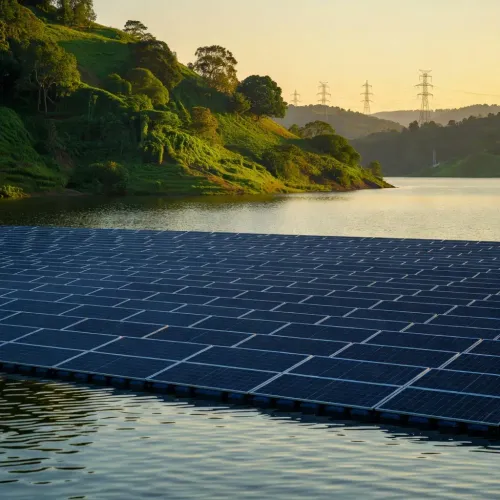
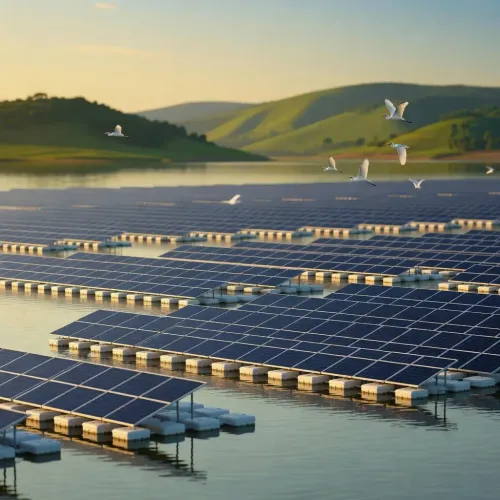
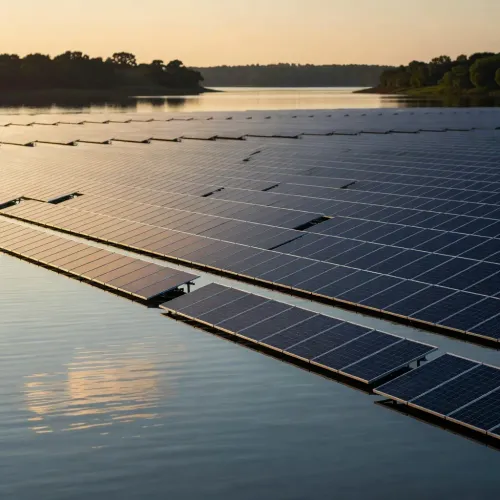
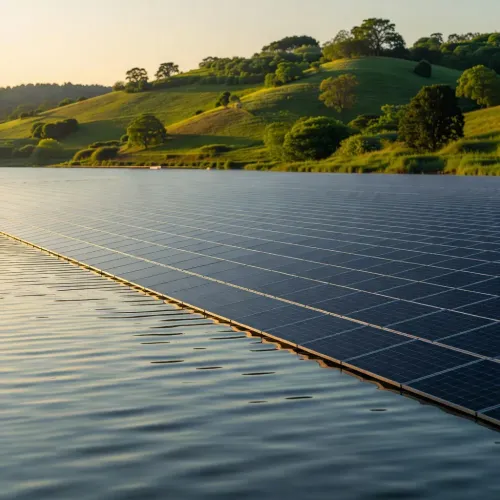
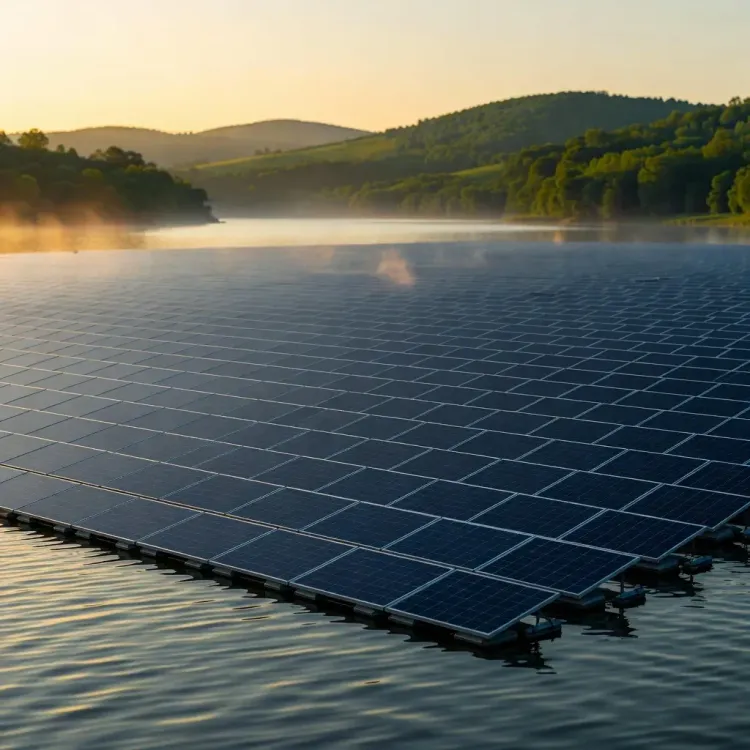
The scheme will develop 5,000 MW of floating solar PV projects installed on reservoirs across India.
Projects must include an energy storage system of at least 10,000 MWh , ensuring grid reliability.
Expected outcomes include clean and affordable electricity, large-scale job creation, and optimised use of existing water infrastructure.
The scheme advances India's commitment to 500 GW of non-fossil fuel capacity by 2030 , pledged at COP26 in Glasgow.
Floating solar avoids land-acquisition constraints that have historically slowed ground-mounted solar expansion in India.
India's water bodies are about to pull double duty. The Union Cabinet, under the leadership of Prime Minister Narendra Modi, on Friday, 31 July 2026, approved the Pradhan Mantri Surya Sarovar Yojana (PM-SSY) — a ₹5,070 crore scheme to float solar panels on the country's reservoirs and, in doing so, solve two problems at once: land scarcity and clean power supply. Union Home Minister Amit Shah announced the decision on X, calling it a historic step toward clean and green energy.
What PM-SSY Actually Does
The scheme targets 5,000 megawatts of floating solar photovoltaic capacity installed directly on reservoirs, paired with an energy storage system of at least 10,000 MWh. That storage component is the critical differentiator — it means electricity generated during peak sunlight hours can be held and dispatched when the grid actually needs it, smoothing out the intermittency problem that has long complicated renewable integration. Shah described the expected outcomes as clean and affordable electricity, large-scale job creation, and more efficient use of existing water infrastructure.
Why Reservoirs, and Why Now
India's push into floating solar is a direct answer to a structural constraint: the country needs vast tracts of flat, unshaded land to install utility-scale solar, and that land is increasingly scarce or contested. Reservoirs offer an elegant workaround — the water surface is unused, the panels reduce evaporation, and the existing dam infrastructure often connects to the grid already. India has pursued this model at smaller scales for years, but PM-SSY represents a significant centralised push to standardise and scale it. The scheme fits squarely within India's commitment, made at COP26 in Glasgow in 2021, to build 500 GW of non-fossil fuel capacity by 2030 — a target that demands every viable technology be deployed at pace.
Storage, Jobs, and What Comes Next
The mandatory 10,000 MWh storage requirement signals a maturing approach to renewables policy — one that no longer treats generation capacity alone as the finish line. Grid stability under high renewable penetration demands storage, and embedding that requirement inside the scheme's design rather than leaving it to state discretion is a meaningful policy choice. On employment, the government has flagged large-scale job creation as a direct outcome, though specific numbers were not cited in the announcement. Watch for tender processes, state-level project allocations, and commissioning timelines as the scheme moves from cabinet approval to ground reality — those milestones will determine whether the 5,000 MW target is met within the decade.
India's reservoirs have long been engines of irrigation and drinking water. If PM-SSY delivers, they become power plants too — and the country's energy transition gets a geography it didn't have before.
Point of View
The government is signalling that grid stability, not just megawatt numbers, is now the benchmark for renewable success. Floating solar on reservoirs also sidesteps the land-acquisition battles that have slowed ground-mounted projects, suggesting the scheme was designed with implementation friction in mind. At ₹5,070 crore, the central outlay is a catalyst rather than full funding — the real test will be how quickly states and solar developers mobilise around it. This approval, if executed at pace, adds a concrete instrument to India's COP26 pledges with less than four years left on the 2030 clock.
NationPress
31 Jul 2026
Frequently Asked Questions
What is Pradhan Mantri Surya Sarovar Yojana (PM-SSY)?
PM-SSY is a central government scheme approved on 31 July 2026 with a budget of ₹5,070 crore to develop 5,000 MW of floating solar photovoltaic projects on reservoirs, paired with at least 10,000 MWh of energy storage capacity.
Why is floating solar installed on reservoirs instead of land?
Floating solar uses the unused surface of water bodies, avoiding land acquisition challenges. It also reduces water evaporation from reservoirs and can leverage existing grid connections near dams.
What is the budget for PM-SSY?
The Union Cabinet approved a total budget of ₹5,070 crore for the PM-SSY scheme.
How does PM-SSY help India's 2030 clean energy target?
India committed at COP26 in 2021 to achieve 500 GW of non-fossil fuel capacity by 2030. PM-SSY's 5,000 MW floating solar target contributes directly to that goal while addressing land constraints.
What are the benefits of the energy storage requirement under PM-SSY?
The mandatory 10,000 MWh storage system allows solar energy generated during daylight hours to be stored and dispatched when demand peaks, improving grid stability and making renewable power more reliable.