CM Fadnavis empowers 1,000 girls via Sukanya Samriddhi in Mumbai
Synopsis
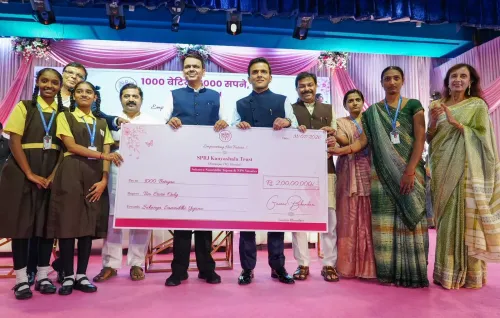
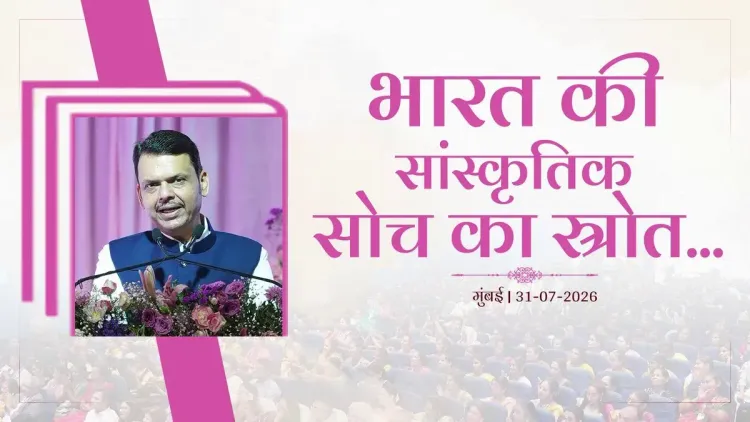
Maharashtra Chief Minister Devendra Fadnavis on 31 July 2026 presided over a Mumbai event enrolling 1,000 girls into the Sukanya Samriddhi Yojana, framing the drive through the lens of 'Ekatmata' — a concept of national unity encompassing India's history, geography, and classical knowledge.
Key Takeaways
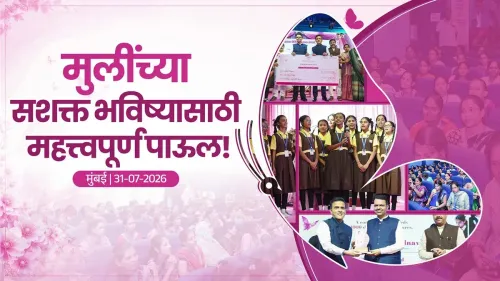
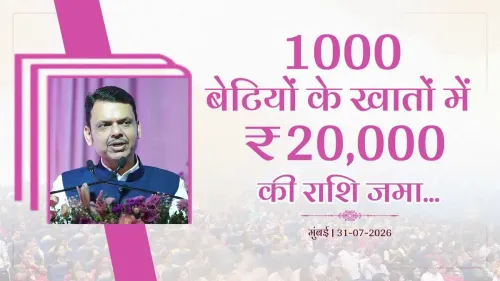
1,000 girls in Mumbai were economically empowered at an event hosted on 31 July 2026 .
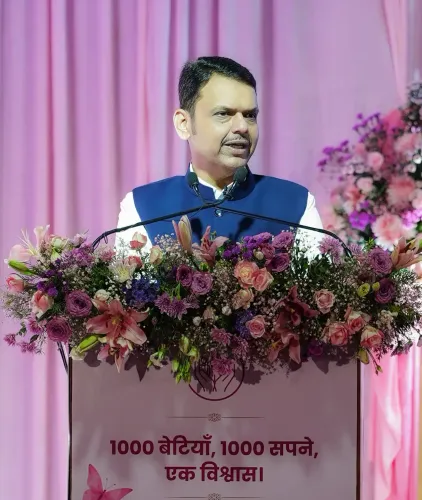
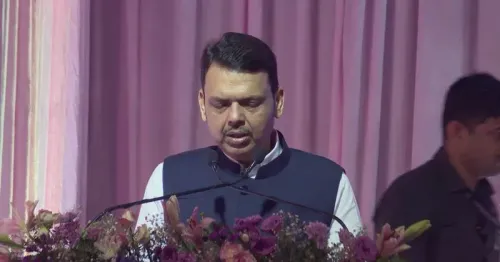
Maharashtra Chief Minister Devendra Fadnavis anchored the programme, linking it to the concept of Ekatmata (national integration).
The scheme at the centre of the drive is Sukanya Samriddhi Yojana , a central government small-savings scheme launched in 2015 .
The scheme offers tax-free deposits of up to ₹1.5 lakh per year in a girl child's name under Section 80C.
The event reflects a broader BJP state-level pattern of combining financial inclusion milestones with cultural and national-unity themes.
Expansion of the programme to Maharashtra's 36 districts remains the key metric to watch.
A thousand girls in Mumbai moved a step closer to financial independence on 31 July 2026, as Maharashtra Chief Minister Devendra Fadnavis anchored an economic empowerment event that wove together a central savings scheme with a sweeping vision of national knowledge and unity.
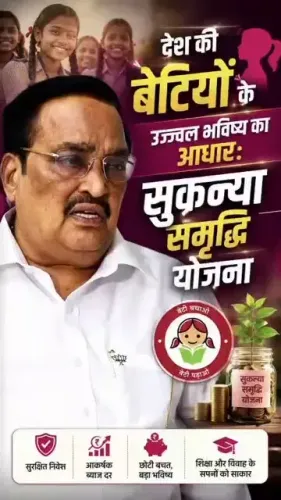
At the heart of the programme was Sukanya Samriddhi Yojana, the NDA government's flagship small-savings scheme launched in 2015 to help families build a tax-free corpus for their daughters' education and future. The Mumbai event extended its reach to 1,000 beneficiary girls in a single day — a concentrated push that signals the Maharashtra government's intent to accelerate ground-level enrolment.
What 'Ekatmata' brings to the table
Fadnavis framed the occasion around the concept of Ekatmata (Unity / Integration), describing it as 'ek samagra srot' — a comprehensive knowledge source encompassing India's history, geography, and classical learning. In Marathi he called it 'sarvasamaveshak dnyansrot' — an all-inclusive wellspring of knowledge. The choice of framing is deliberate: it positions girl-child welfare not as a standalone welfare measure but as an expression of a broader civilisational idea.
This is a pattern the BJP has cultivated at the state level — pairing tangible financial inclusion milestones with cultural and national-integration themes, giving scheme-rollout events a larger ideological canvas.
Sukanya Samriddhi's decade-long arc
Sukanya Samriddhi Yojana, now more than a decade old, allows deposits of up to ₹1.5 lakh per year in a girl child's name, with full tax exemption under Section 80C and competitive interest rates set by the central government each quarter. Maharashtra, as one of India's most populous states, holds significant weight in the scheme's national enrolment numbers — making state-level drives like this one consequential for the scheme's overall reach.
The families of the 1,000 girls brought into the fold on Friday represent more than a statistic: each account is a structured, government-backed commitment to a daughter's future that compounds over years.
What comes next for Maharashtra's girl-child drive
The Mumbai event is a marker, not a ceiling. The question now is whether the state scales this model — replicating the Ekatmata-framed empowerment format across Maharashtra's 36 districts and whether the 1,000-girl target becomes a recurring benchmark or a one-time headline. Fadnavis's own political record since 2014 suggests he uses such events as launchpads for wider rollouts.
For a scheme designed to outlast election cycles, the real test is persistence: how many of those 1,000 accounts remain active a decade from now, compounding quietly toward the futures they were opened to secure.
Point of View
Who has governed Maharashtra on and off since 2014, such events serve a dual purpose: advancing measurable welfare targets while reinforcing ideological identity. The long-term policy question is whether Maharashtra will institutionalise this model across districts or treat it as a one-off showcase. With Sukanya Samriddhi now over a decade old, the state's enrolment depth — not just headline events — will determine its real impact on girl-child financial security.
NationPress
1 Aug 2026
Frequently Asked Questions
What is Sukanya Samriddhi Yojana?
Sukanya Samriddhi Yojana is a central government small-savings scheme launched in 2015 to help families save for a girl child's education and future. It allows tax-free deposits of up to ₹1.5 lakh per year under Section 80C, with interest rates set quarterly by the government.
What happened at the Mumbai event on 31 July 2026?
Maharashtra Chief Minister Devendra Fadnavis presided over an event in Mumbai on 31 July 2026 aimed at economically empowering 1,000 girls through the Sukanya Samriddhi Yojana scheme.
What is 'Ekatmata' and why did Fadnavis mention it?
'Ekatmata' means unity or integration. Fadnavis described it as a comprehensive knowledge source covering India's history, geography, and classical learning, using it to frame the girl-child empowerment event within a broader vision of national unity.
Who benefits from Sukanya Samriddhi Yojana in Maharashtra?
Families with girl children in Maharashtra can open Sukanya Samriddhi accounts to build a tax-free savings corpus for their daughters' education and future, with the state government periodically organising enrolment drives.
Will Maharashtra expand the girl empowerment programme beyond Mumbai?
The Mumbai event targeted 1,000 girls, but whether the programme scales to Maharashtra's 36 districts remains to be confirmed. State-level rollout statistics for Sukanya Samriddhi accounts will indicate the programme's broader reach.