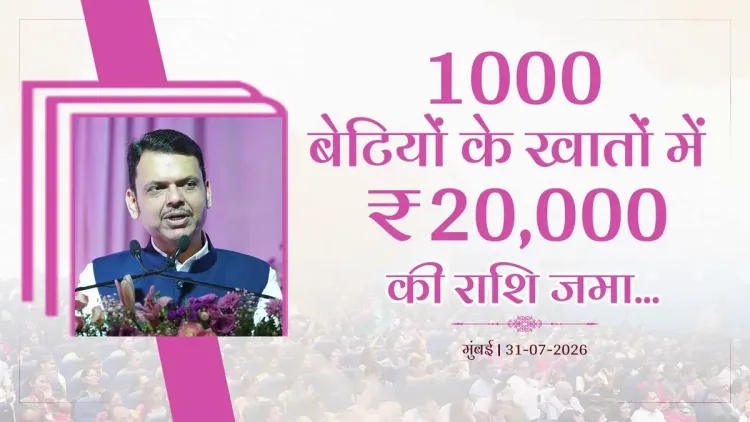
CM Fadnavis deposits ₹20,000 each into 1,000 girls' accounts in Mumbai
Synopsis
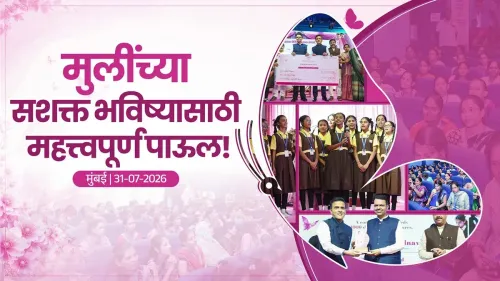
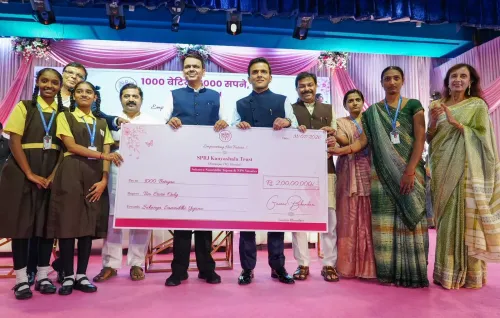
Maharashtra CM Devendra Fadnavis announced that ₹20,000 was deposited into each of 1,000 girls' accounts in Mumbai under the Sukanya Samriddhi Yojana and NPS Vatsalya Yojana on 31 July 2026, marking a state-level push for girl-child financial empowerment.
Key Takeaways
₹20,000 deposited into each of 1,000 girls' accounts, totalling ₹2 crore disbursed at the Mumbai event.
Deposits made under two central schemes: Sukanya Samriddhi Yojana (education and marriage savings) and NPS Vatsalya Yojana (minor pension accounts).
The event was held in Mumbai on 31 July 2026 , framed explicitly as a girl-child economic empowerment programme.
Sukanya Samriddhi Yojana was launched nationally in 2015 under the Beti Bachao Beti Padhao campaign.
NPS Vatsalya extends the National Pension System to minors, enabling long-term compounding from childhood.
Maharashtra has a pattern of state-level deposit drives to publicise and accelerate uptake of central welfare schemes.
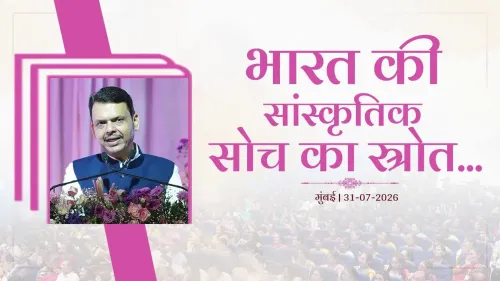
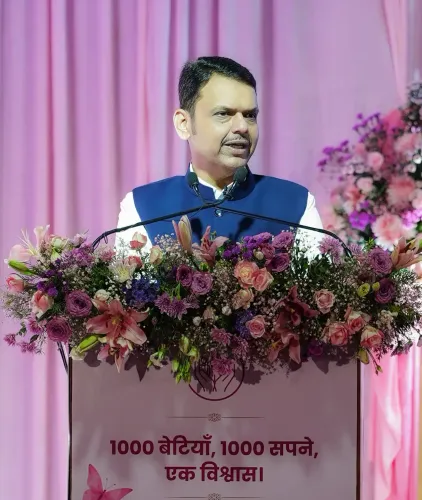
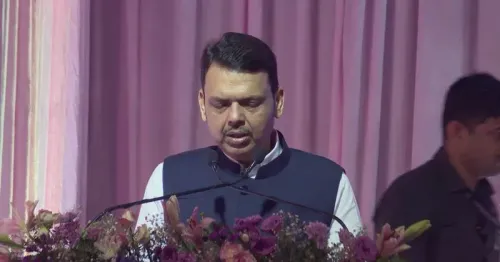
A government program in Mumbai on 31 July 2026 put money directly into the futures of 1,000 girls — ₹20,000 deposited into each account under two of India's flagship girl-child welfare schemes. Maharashtra Chief Minister Devendra Fadnavis shared details of the event, spotlighting the state's active push to translate central welfare policy into ground-level financial empowerment.
The deposits were made under two distinct schemes: the Sukanya Samriddhi Yojana and the NPS Vatsalya Yojana. Combined, the initiative channelled funds totalling ₹2 crore into accounts held by young beneficiaries across the city.
Two schemes, one goal: locking in a girl's financial future
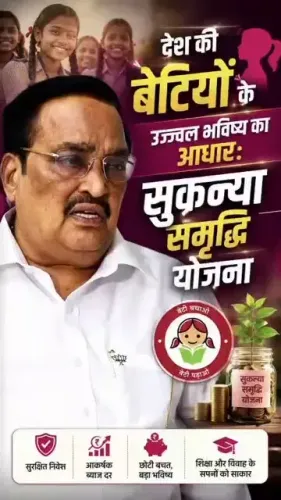
The Sukanya Samriddhi Yojana, launched by the Government of India in 2015 under the Beti Bachao Beti Padhao (Save the Daughter, Educate the Daughter) campaign, is a small-savings instrument designed to fund a girl child's education and eventual marriage expenses. It offers one of the highest interest rates among government-backed savings products and comes with tax benefits, making it a go-to vehicle for families looking to build a corpus over the long term.
The NPS Vatsalya Yojana extends the National Pension System to minors, allowing parents and guardians to open pension accounts in a child's name. The scheme bets on compounding over decades — a deposit made today for a newborn could grow into a meaningful retirement corpus by the time she enters the workforce.
Maharashtra's pattern of scheme-linked deposit drives
The Mumbai event fits a broader pattern: BJP-governed states have periodically organised public deposit ceremonies to demonstrate on-the-ground delivery of central flagship programmes. These events serve a dual purpose — they onboard new beneficiaries while generating visibility for schemes that can otherwise remain abstract to the families they are meant to serve.
Maharashtra has been a consistent participant in this model, using district and city-level events to push financial inclusion for women and girls. The 31 July 2026 programme, framed explicitly around economic empowerment — aarthik roop se sashakt banane hetu (for the purpose of economic empowerment) — signals continued state-level momentum on this front.
One thousand accounts seeded today means one thousand families now have a structured, government-backed savings pathway for their daughters. Whether the state scales that number in the next budget cycle will be the real test of intent.
Point of View
Quantifiable, and photographable — a deposit drive that doubles as a public proof-of-concept for central welfare architecture. For the BJP in Maharashtra, showcasing Sukanya Samriddhi and NPS Vatsalya implementation keeps the party's girl-child empowerment narrative alive ahead of budget discussions. The choice to combine a savings scheme with a pension scheme in a single event is also notable — it signals a shift from one-time handouts toward long-horizon financial inclusion. The real policy question is whether such events seed lasting account activity or remain one-off optics.
NationPress
1 Aug 2026
Frequently Asked Questions
What is the Sukanya Samriddhi Yojana?
The Sukanya Samriddhi Yojana is a central government small-savings scheme launched in 2015 under the Beti Bachao Beti Padhao campaign. It allows parents to open a dedicated savings account for a girl child to fund her education and marriage expenses, offering high interest rates and tax benefits.
What is NPS Vatsalya Yojana?
NPS Vatsalya is a variant of the National Pension System that allows parents or guardians to open a pension account in the name of a minor child, enabling long-term retirement savings to begin from childhood through the power of compounding.
How much money was deposited for each girl in the Mumbai event?
₹20,000 was deposited into each of the 1,000 girls' accounts at the Mumbai event on 31 July 2026, amounting to a total of ₹2 crore disbursed under the two schemes.
Who announced the deposit of funds into 1,000 girls' accounts in Maharashtra?
Maharashtra Chief Minister Devendra Fadnavis announced the programme on his official X account, highlighting the deposit event held in Mumbai on 31 July 2026.
How can families in Maharashtra enrol in Sukanya Samriddhi Yojana?
Families can open a Sukanya Samriddhi Yojana account at any post office or authorised bank branch for a girl child below the age of 10. The account can be opened with a minimum deposit and offers government-backed returns with tax exemptions.