CM Saini Hosts Natural Farming Samvad in Panchkula
Synopsis
Haryana Chief Minister Nayab Singh Saini livestreamed the Natural Farming Samvad from Panchkula on 8 July 2026, spotlighting the state's push to transition farmers toward sustainable, low-input agriculture amid long-standing soil and groundwater concerns.
Key Takeaways
Haryana CM Nayab Singh Saini broadcast the Natural Farming Samvad live from Panchkula on 8 July 2026 .
The Samvad is a dialogue-format outreach event connecting state officials, experts, and farmers on sustainable agriculture.
Haryana's wheat-rice belt faces soil degradation and groundwater depletion linked to heavy chemical fertiliser use.
The Paramparagat Krishi Vikas Yojana , launched by the Government of India in 2015 , underpins cluster-based natural farming adoption in the state.
District-level rollout of natural farming clusters and farmer training budgets are the key policy outcomes to watch.
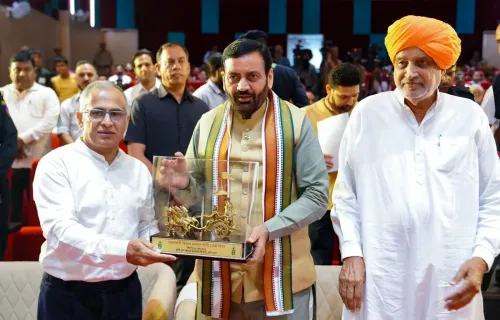
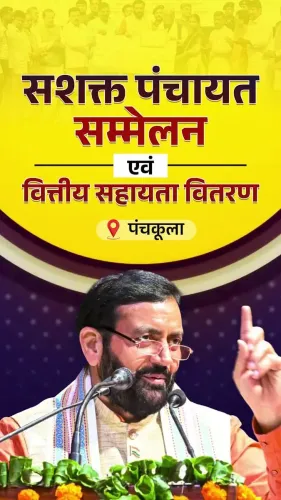
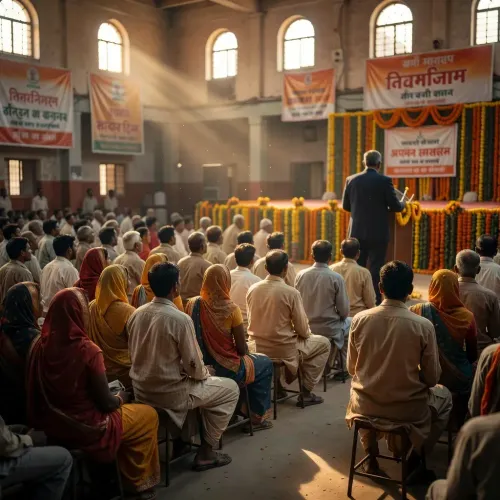
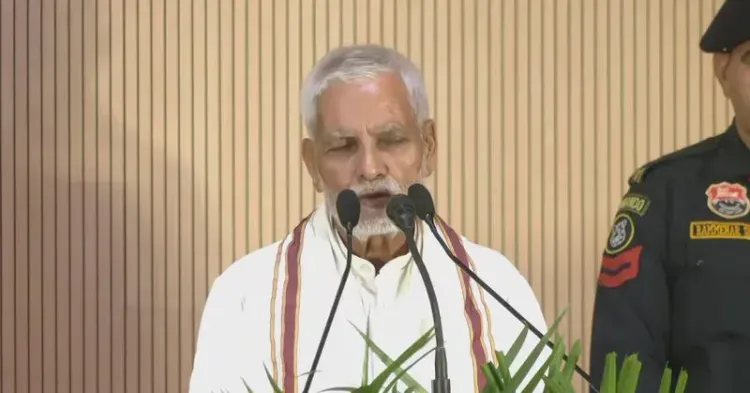
Haryana Chief Minister Nayab Singh Saini on Wednesday, 8 July 2026 went live to broadcast the Natural Farming Samvad being held in Panchkula, sharing the state government's ongoing outreach to farmers on sustainable agriculture practices.
Context
The Natural Farming Samvad is a dialogue-format event designed to bring state officials, agriculture experts, and cultivators together under one platform. Panchkula, a planned city in Haryana that serves as a key administrative hub, has hosted several such state-level public engagement programmes. By broadcasting the event live on X, CM Saini extended the reach of the Samvad beyond its physical venue to farmers across the state.
Policy Backdrop
Haryana's agricultural landscape is dominated by wheat and rice cultivation, a pattern that has contributed to significant soil degradation and groundwater depletion over decades of intensive chemical fertiliser use. The Government of India launched the Paramparagat Krishi Vikas Yojana (PKVY) in 2015 to promote organic and natural farming through cluster-based adoption across states, with Haryana among the participating states. Successive Haryana governments have progressively aligned state agricultural policy with these central initiatives, emphasising low-input farming methods as a response to both environmental stress and farm-income pressures.
Natural farming, which relies on on-farm biological inputs and minimises external chemical inputs, has gained renewed momentum nationally as part of broader climate and food-security goals. The Samvad format — a structured conversation rather than a top-down lecture — reflects a shift toward participatory extension methods in agricultural outreach.
Stakeholders and Impact
The primary beneficiaries of the Natural Farming Samvad are Haryana's farming communities, particularly smallholder cultivators who bear the highest costs of chemical inputs and are most vulnerable to soil health decline. Extension workers, Krishi Vigyan Kendras, and district agriculture officers are also key stakeholders responsible for translating Samvad outcomes into ground-level action. For the state government, the event represents a visible commitment to sustainable agriculture at a time when farmer welfare and environmental sustainability are central to political messaging.
Wider audiences — including agri-input suppliers, water-resource managers, and rural development agencies — have a stake in the pace and scale of any shift toward natural farming clusters in the state.
What's Next
Observers will watch for district-level rollout of natural farming clusters following the Panchkula Samvad, as well as any budget allocations or formal announcements tied to farmer training programmes in Haryana. The live broadcast format signals the state's intent to keep this conversation in the public domain, and follow-up sessions at the block or village level could be the next step in scaling outreach. How many cultivators transition to natural farming methods — and with what state support — will be the practical measure of the initiative's impact.
Point of View
With Haryana — one of India's most chemically intensive farm states — representing both a significant challenge and a high-visibility test case. The Samvad format, emphasising dialogue over diktat, also signals an awareness that top-down mandates have historically met resistance from farmers comfortable with established input-intensive practices. Whether the live broadcast translates into measurable ground-level adoption or remains primarily a communication exercise will determine its longer-term policy significance.
NationPress
8 Jul 2026
Frequently Asked Questions
What is the Natural Farming Samvad in Haryana?
The Natural Farming Samvad is a state-level dialogue event in Haryana where government officials, agriculture experts, and farmers discuss sustainable, low-input farming practices. The 8 July 2026 edition was held in Panchkula and livestreamed by CM Nayab Singh Saini .
What is natural farming and how is it different from organic farming?
Natural farming relies on on-farm biological inputs — such as cow-dung preparations and local plant extracts — and avoids all external chemical or even certified-organic commercial inputs, making it lower-cost than certified organic farming. It is promoted in India partly through the Paramparagat Krishi Vikas Yojana framework.
What is Paramparagat Krishi Vikas Yojana?
Paramparagat Krishi Vikas Yojana (PKVY) is a central government scheme launched in 2015 to promote organic and natural farming through cluster-based adoption across Indian states, including Haryana .
Why does Haryana need natural farming initiatives?
Haryana's wheat-rice dominated agriculture has caused significant soil degradation and groundwater depletion due to decades of heavy chemical fertiliser and pesticide use, making a shift to sustainable low-input methods a pressing environmental and economic priority.
What should Haryana farmers expect after the Panchkula Samvad?
Farmers can watch for district-level natural farming cluster programmes and potential budget announcements for training and support, as these are the typical policy follow-throughs after state-level Samvad events.