CM Saini Joins ARJUN Council Review Meet on AI, Jobs and Skills
Synopsis
Haryana Chief Minister Nayab Singh Saini participated in a progress review of the ARJUN Council in Chandigarh on 20 June 2026, examining how AI can generate employment and equip youth with future-ready skills — reflecting India's broader push to translate national AI strategy into state-level action.
Key Takeaways
CM Nayab Singh Saini attended the ARJUN Council progress review meeting in Chandigarh on 20 June 2026 .
ARJUN stands for AI for Resilient Jobs, Urban Air Quality and Next-Gen Skills — a multi-pillar governance initiative.
The meeting focused on creating new employment through artificial intelligence and building future-ready skills among Haryana's youth .
NITI Aayog's 2018 '#AIForAll' strategy and the subsequent IndiaAI Mission form the national policy backbone for such state-level councils.
The initiative intersects with the Skill India programme launched in 2015 , broadening its reach into AI-era workforce development.
Pilot projects and budget allocations linked to the council are expected to be announced in upcoming Haryana legislative sessions.
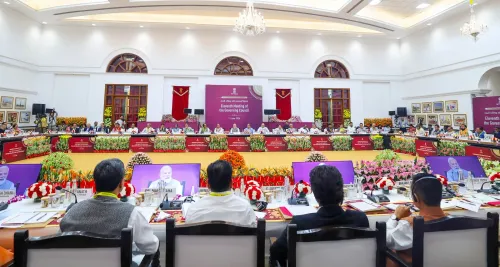
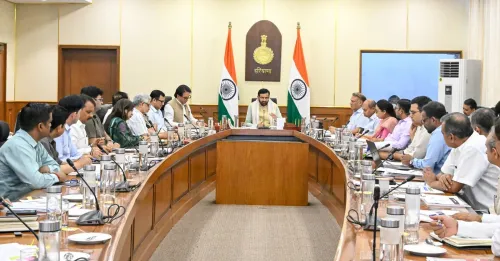
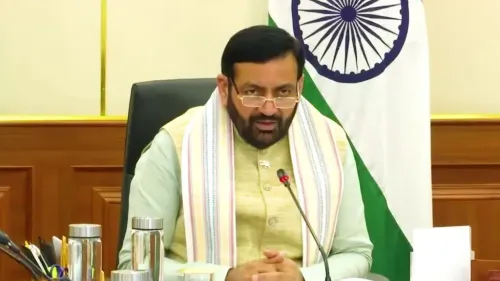
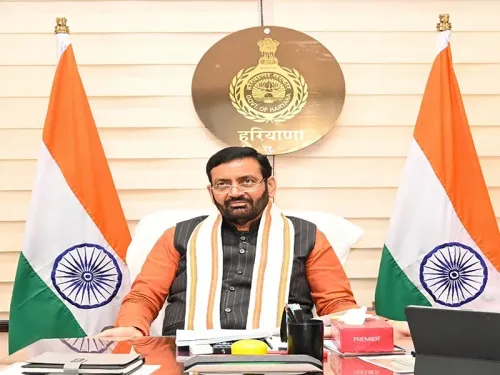
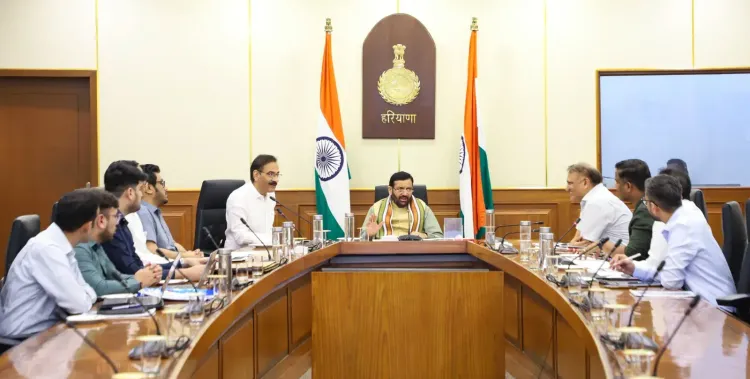
Haryana Chief Minister Nayab Singh Saini on Saturday, 20 June 2026, participated in a progress review meeting in Chandigarh centred on the ARJUN Council — an initiative focused on AI for Resilient Jobs, Urban Air Quality and Next-Gen Skills. The meeting examined how artificial intelligence can be harnessed to generate new employment opportunities and equip youth with future-ready competencies.
Context
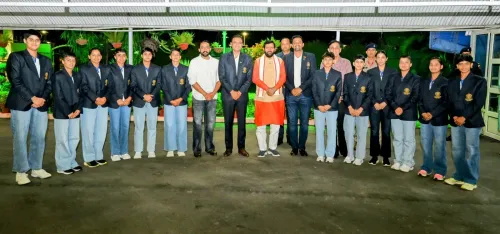
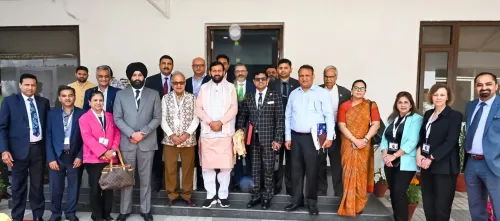
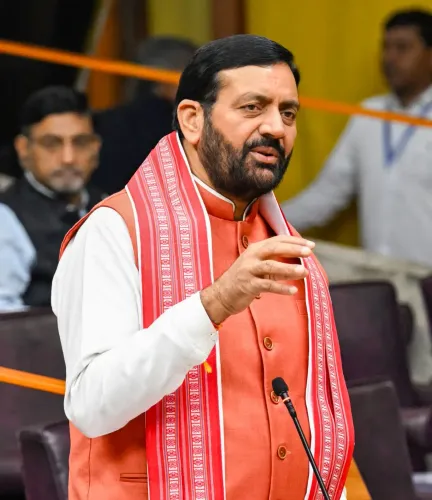
CM Saini shared details of the meeting on X, writing in Hindi: 'कृत्रिम बुद्धिमत्ता (AI) के माध्यम से रोजगार के नए अवसर सृजित करने, युवाओं को भविष्य के अनुरूप कौशल से सशक्त बनाने' — ['creating new employment opportunities through artificial intelligence and empowering youth with skills suited to the future']. The post accompanied three images from the review session held in Chandigarh, which serves as the shared capital of Haryana and Punjab and hosts the state's key administrative offices.
The ARJUN Council — whose full form expands to AI for Resilient Jobs, Urban Air Quality and Next-Gen Skills — represents Haryana's attempt to institutionalise AI-linked governance across employment, urban environment and workforce development in a single coordinated framework.
Policy Backdrop
NITI Aayog laid the national groundwork in 2018 with its strategy document '#AIForAll', which called for responsible AI adoption specifically in employment generation, skilling and urban governance. The subsequent IndiaAI Mission further encouraged sub-national governments to translate that framework into state-level action plans and review mechanisms.
Haryana's engagement through the ARJUN Council mirrors a broader pattern visible across several Indian states that have begun creating sector-specific councils linking artificial intelligence to economic resilience and sustainability. These efforts also intersect with the Skill India programme, launched in 2015, which remains the anchor national initiative for workforce upskilling.
Stakeholders and Impact
The primary beneficiaries identified within the ARJUN Council's mandate are urban youth and job seekers in Haryana. By aligning AI-driven employment creation with next-generation skilling, the council aims to address structural unemployment in an economy undergoing rapid technological transition.
Urban air quality — the second pillar of the ARJUN framework — signals that the council's scope extends beyond workforce policy into environmental governance, suggesting an integrated approach to sustainable urban development in Haryana's cities.
What's Next
Attention will now turn to pilot projects and specific deliverables emerging from the June 2026 review meeting. Any concrete announcements — such as AI skilling targets, urban air quality benchmarks, or dedicated budget allocations — are expected to surface in forthcoming state legislative sessions or Haryana's next budget cycle.
The institutionalisation of a named council with a defined mandate suggests that CM Saini's administration intends to make AI-linked governance a visible policy priority, with the review meeting marking an early accountability checkpoint for that agenda.
Point of View
Air quality and skilling, the administration is attempting to present AI not merely as a technology agenda but as a social-equity one — a framing that resonates with the BJP's broader 'viksit Bharat' narrative ahead of future electoral cycles. The review-meeting format also indicates that the council has been operational long enough to warrant progress tracking, suggesting the initiative predates this public communication. Whether the council produces measurable outcomes — skilling numbers, employment data, air quality indices — will determine if it becomes a genuine policy anchor or remains a high-profile branding exercise.
NationPress
21 Jun 2026
Frequently Asked Questions
What is the ARJUN Council in Haryana?
The ARJUN Council stands for 'AI for Resilient Jobs, Urban Air Quality and Next-Gen Skills' — a Haryana government initiative that links artificial intelligence policy to employment generation, youth skilling and urban environmental governance.
What did CM Nayab Singh Saini announce at the ARJUN Council meeting?
CM Saini attended a progress review of the ARJUN Council in Chandigarh on 20 June 2026, where discussions centred on using AI to create new jobs and equip youth with future-ready skills. Specific outcomes of the meeting have not been officially detailed yet.
How does Haryana's ARJUN Council relate to India's national AI policy?
It aligns with NITI Aayog's 2018 '#AIForAll' national strategy and the IndiaAI Mission, which encouraged state governments to develop sector-specific councils translating national AI goals into local employment and governance outcomes.
Who benefits from the ARJUN Council's work?
The primary stakeholders are urban youth and job seekers in Haryana, along with residents of Haryana's cities who stand to benefit from improved urban air quality under the council's environmental pillar.
What should we watch for next from the ARJUN Council?
Key things to watch include pilot project announcements, AI skilling targets, urban air quality benchmarks and any dedicated budget allocations in Haryana's upcoming legislative sessions or state budget.