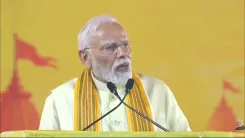
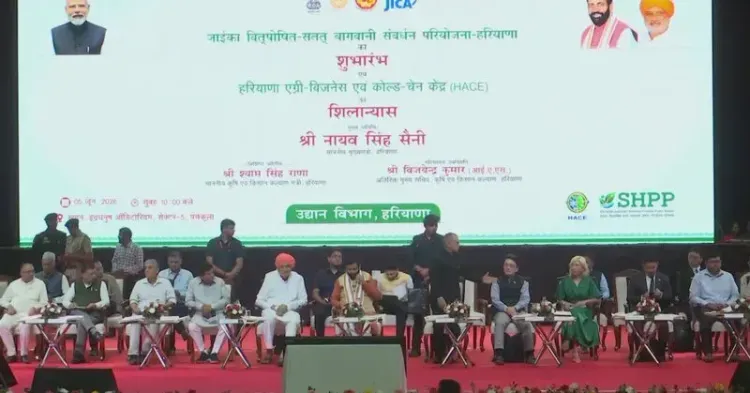
CM Saini Launches JICA-Funded Cold Chain Centre in Panchkula
Synopsis
Haryana Chief Minister Nayab Singh Saini on June 5, 2026 launched a JICA-funded Post-Harvest Management and Cold Chain Centre in Panchkula, aiming to cut the 30-40% post-harvest losses that erode farmer incomes and strain Haryana's agri-supply chain.
Key Takeaways
CM Nayab Singh Saini laid the foundation stone of a JICA-funded Post-Harvest Management and Cold Chain Centre in Panchkula on June 5, 2026 .
The project is funded by Japan International Cooperation Agency (JICA) , Japan's primary bilateral development agency, deepening India-Japan agri-infrastructure cooperation.
India loses an estimated 30 to 40 per cent of perishable produce to post-harvest inefficiencies — the direct problem this centre is designed to address.
The facility aligns with Haryana's agricultural modernisation policy since 2018 and the central PMFME scheme launched in 2020.
Primary beneficiaries include Haryana farmers growing perishable crops and food processing units in the Panchkula region.
The Panchkula centre could serve as a template for additional JICA-supported cold-chain nodes in other Haryana districts.
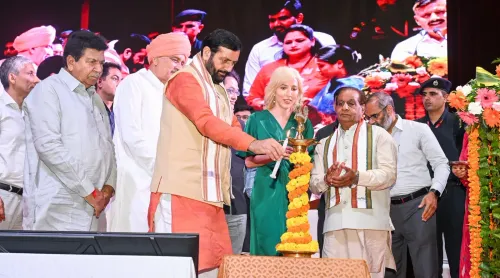
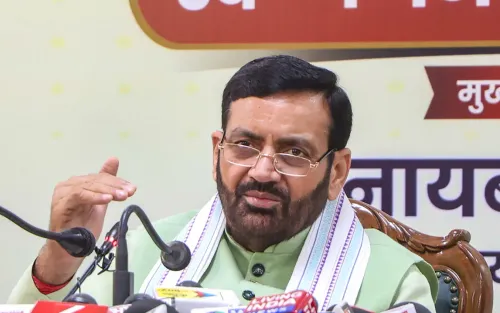
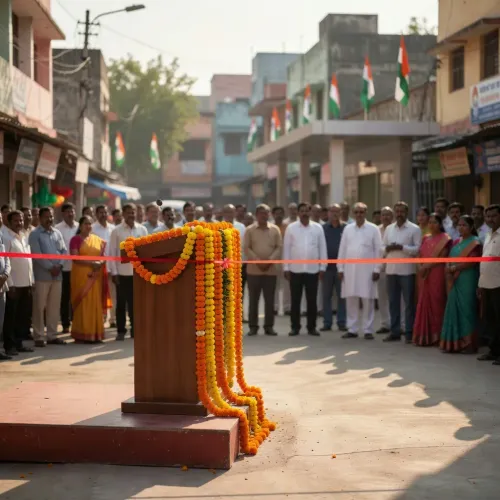
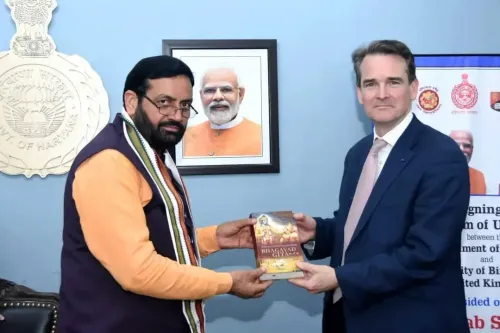
Haryana Chief Minister Nayab Singh Saini on Friday, June 5, 2026, launched a JICA-funded Post-Harvest Management and Cold Chain Centre in Panchkula, laying the foundation stone for a facility aimed at reducing agricultural losses across the state. The event, streamed live, marks a significant step in India-Japan bilateral development cooperation for agri-logistics infrastructure in Haryana.
Context
The ceremony centred on the foundation stone laying of a Post-Harvest Management and Cold Chain Centre in Panchkula, a district forming part of the Chandigarh tricity area with strong connectivity to major agricultural markets. The project is funded by the Japan International Cooperation Agency (JICA), Japan's primary bilateral development agency, which has partnered with Indian states on cold-chain and agri-infrastructure projects since the early 2000s. Chief Minister Saini's presence at the launch underscores the state government's priority on reducing post-harvest crop losses.
Policy Backdrop
India loses an estimated 30 to 40 per cent of fruits, vegetables, and dairy produce to post-harvest inefficiencies — a challenge that cold-chain infrastructure directly addresses. Haryana's agricultural policy since 2018 has emphasised food-processing clusters and cold storage networks, a thrust that aligns with the central government's Pradhan Mantri Formalisation of Micro Food Processing Enterprises (PMFME) scheme launched in 2020. The JICA-funded facility at Panchkula fits into this broader national and state-level push for modernising agri-supply chains.
JICA has expanded its India portfolio steadily over recent decades, with agri-logistics emerging as a key focus area alongside urban infrastructure. The Panchkula centre is expected to integrate into Haryana's existing network of mandis and food-processing parks, providing grading, storage, and logistics support for perishable produce from across the region.
Stakeholders and Impact
The primary beneficiaries of the new facility are Haryana's farmers, particularly those cultivating perishable horticulture crops, who stand to gain from reduced spoilage and better price realisation through improved storage and grading infrastructure. Food processing units in and around Panchkula are also expected to benefit from a more reliable and modern supply chain. The project reflects a model of externally funded, state-implemented infrastructure that can be replicated across other districts.
For Japan, the investment deepens bilateral economic ties with India in a sector where both countries have identified mutual interest — Japan bringing technology and capital, India offering scale and agricultural output. The cooperation also signals confidence in Haryana as a destination for development finance in the agriculture sector.
What's Next
Attention will now turn to construction milestones and the commissioning timeline for the Panchkula centre, as well as any announcements regarding additional JICA-supported cold-chain nodes in other Haryana districts. If the Panchkula facility demonstrates measurable reductions in post-harvest losses, it could serve as a template for scaling similar infrastructure across the state's horticulture and dairy belts, reinforcing Haryana's position as a model for agri-modernisation in northern India.
Point of View
Which brings both funding and technology transfer. If the Panchkula model scales, it could redefine how Haryana positions itself within the national cold-chain network.
NationPress
20 Oct 2026
Frequently Asked Questions
What is the JICA-funded Cold Chain Centre in Panchkula?
It is a Post-Harvest Management and Cold Chain Centre being built in Panchkula, Haryana, funded by the Japan International Cooperation Agency (JICA). The facility is designed to reduce post-harvest losses for perishable agricultural produce through modern storage, grading, and logistics infrastructure.
Who launched the Cold Chain Centre in Panchkula?
Haryana Chief Minister Nayab Singh Saini launched the project and laid its foundation stone on June 5, 2026, at a ceremony held in Panchkula.
What is JICA and why is it funding projects in Haryana?
JICA, the Japan International Cooperation Agency, is Japan's primary bilateral development agency. It has funded infrastructure and agriculture projects across Indian states since the early 2000s as part of India-Japan bilateral economic cooperation.
How does a cold chain centre help Haryana farmers?
A cold chain centre provides temperature-controlled storage, grading, and logistics support for perishable crops, reducing spoilage and allowing farmers to get better prices by extending the shelf life and marketability of their produce.
What is India's post-harvest loss problem?
India loses an estimated 30 to 40 per cent of fruits, vegetables, and dairy produce due to inadequate storage and logistics infrastructure. Cold chain facilities like the one being built in Panchkula are a key part of addressing this challenge.