CM Saini lists BJP promises kept, sets Punjab drug-free target by 2029
Synopsis
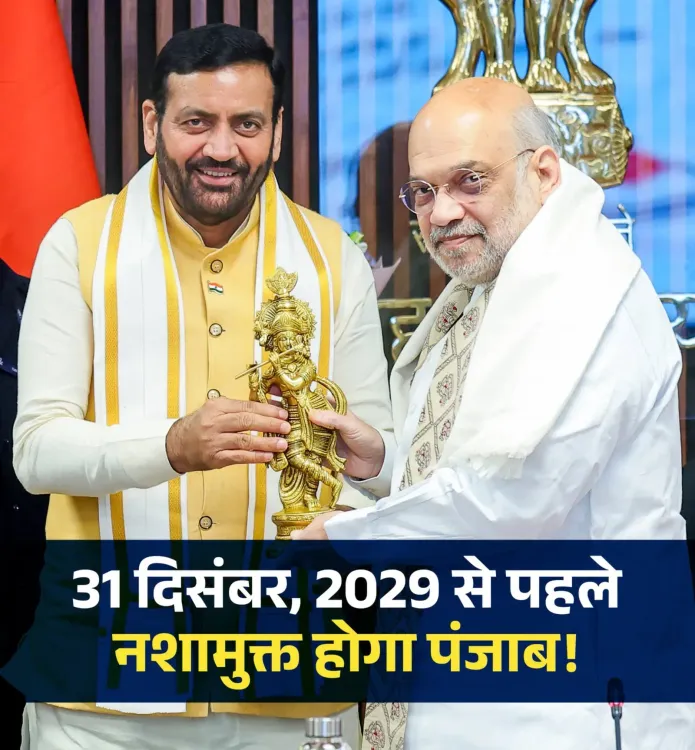
Haryana CM Nayab Singh Saini cited BJP's track record on Article 370, the Ram Temple, triple talaq, Naxalism and North East insurgency before announcing a pledge to make Punjab drug-free by December 31, 2029.
Key Takeaways
Haryana CM Nayab Singh Saini posted a BJP governance scorecard on September 30, 2026 , listing five major national commitments as fulfilled.
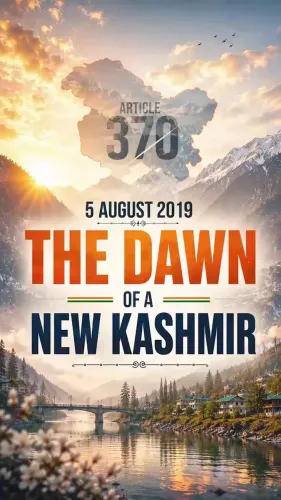
Article 370 was abrogated in August 2019 ; the Ram Temple in Ayodhya was consecrated in January 2024 ; instant triple talaq was criminalised in July 2019 .
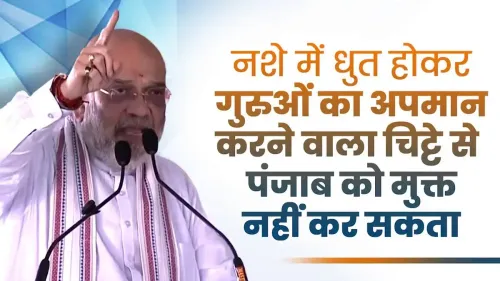
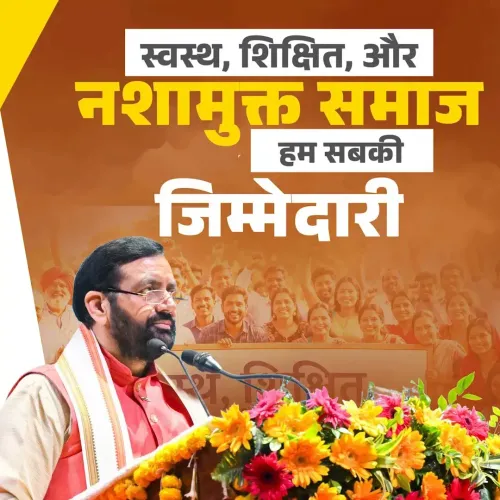
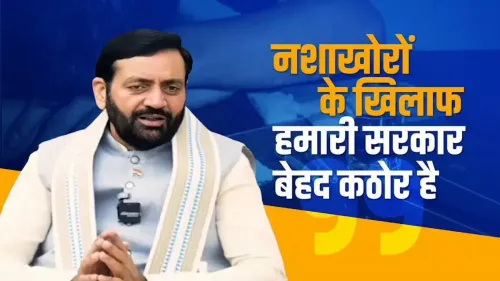
Saini declared a new target: Punjab drug-free by December 31, 2029 .
Punjab shares a border with Pakistan and has long been a major corridor for heroin and synthetic drug trafficking.
No formal government document with the specific 2029 deadline for a drug-free Punjab has been verified in public record as yet.
The announcement comes ahead of the 2027 Punjab assembly elections , placing the BJP's governance pitch in that state well in advance.
From abrogating Article 370 to building the Ram Temple in Ayodhya, Haryana Chief Minister Nayab Singh Saini ticked off a list of BJP's most high-profile national commitments on Wednesday, September 30, 2026 — and then turned the lens west, declaring that making Punjab drug-free by December 31, 2029 is the next promise on the ledger.
A record tallied in bullet points
In a post on X, Saini laid out what reads like a BJP governance scorecard. 'Jo kaha so kiya' — 'What was said was done' — was the blunt opening, before the list: Kashmir's special status revoked, the grand temple raised in Ayodhya, Muslim women freed from instant triple talaq, a Naxal-free India pledge fulfilled, and militancy in the North East brought to heel.
Each item tracks to a legislative or executive act with a documented date. Article 370 was abrogated via presidential order and a parliamentary resolution in August 2019, reorganising Jammu and Kashmir into two Union Territories. The Muslim Women (Protection of Rights on Marriage) Act, criminalising instant triple talaq, passed the same month. The Supreme Court delivered its Ayodhya verdict in 2019; the temple's consecration ceremony took place in January 2024. On Naxalism, the central government has systematically thinned Maoist presence across Chhattisgarh, Jharkhand and Odisha through coordinated security and development drives — a campaign that officials have described in public statements as being in its final phase.
Why Punjab, and why 2029
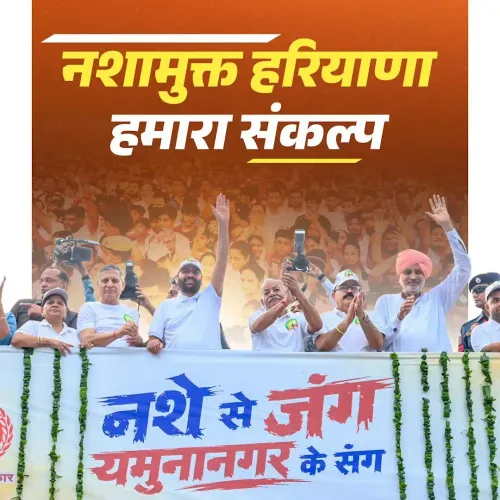
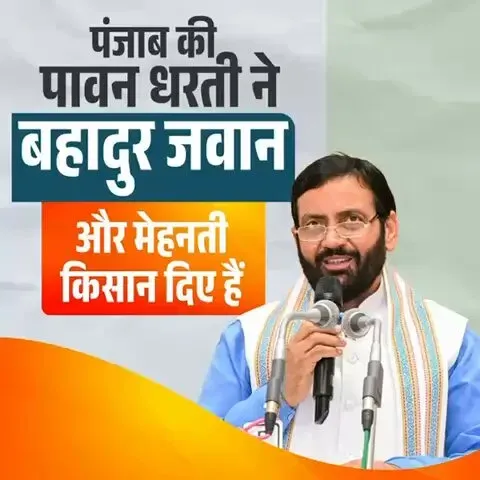
Having anchored the post in completed work, Saini pivots hard. The next target: a drug-free Punjab by December 31, 2029. The state shares a long border with Pakistan and has been the entry corridor for heroin and synthetic drugs smuggled through it for decades. Punjab's drug crisis has hollowed out rural families and fed a public-health emergency that successive governments, state and central, have struggled to contain.
The 2029 deadline is specific and politically loaded. Punjab goes back to the polls in 2027 — meaning this pledge plants a governance marker well before the electoral cycle and gives the BJP a ready frame for campaign messaging. What any concrete action plan looks like — joint Centre-state task forces, funding for de-addiction centres, tighter border-fencing upgrades — has not been formally announced in an official document as yet.
The BJP's 'promises kept' playbook
The format of the post itself is deliberate. The BJP has, since 2019, built a communication architecture around fulfilled manifesto items — particularly the three that dominated the 2014 and 2019 election cycles: 370, Ram Mandir, Triple Talaq. Invoking them in a sequence, then appending a fresh state-level commitment, is a tested rhetorical move: credibility established by the past, authority borrowed for the future.
For Saini, who leads a state bordering Punjab and governs under the same party's national mandate, the post also serves a local purpose — signalling that the BJP's governance ambition does not stop at Haryana's boundary.
The next question is when that signal becomes policy. Punjab's drug epidemic has outlasted many promises. Whether 2029 becomes another item on the 'done' list — or a cautionary footnote — will depend entirely on what follows the tweet.
Point of View
Ram Temple and triple talaq as proof-of-delivery before announcing the next commitment, borrowing credibility from completed work to legitimise a fresh promise. The drug-free Punjab target is shrewdly timed — it inserts the BJP into Punjab's defining crisis two years before the 2027 state elections, on terrain where the ruling party there is most vulnerable. The 2029 deadline, stretching just past the next Punjab electoral cycle, also insulates the pledge from immediate accountability while keeping it politically live. Whether the Centre and state machinery can convert this social-media declaration into verifiable ground action will determine if it joins the 'jo kaha so kiya' list — or becomes a line the opposition quotes back.
NationPress
1 Oct 2026
Frequently Asked Questions
What is Nayab Singh Saini's drug-free Punjab target?
Haryana CM Nayab Singh Saini announced a commitment to make Punjab free of drugs by December 31, 2029 , framing it as the next major BJP governance pledge after a series of fulfilled national commitments.
Which BJP promises did Saini list as fulfilled?
Saini cited five completed commitments: abrogation of Article 370 in 2019, construction of the Ram Temple in Ayodhya (consecrated January 2024), criminalisation of instant triple talaq in 2019, a Naxal-free India drive, and reduced insurgency in North East India .
Why is Punjab's drug problem so severe?
Punjab borders Pakistan and has historically been a primary entry point for heroin and synthetic drugs smuggled across the frontier, contributing to a decades-long public-health and social crisis that has affected youth and rural families particularly hard.
When is the next Punjab assembly election?
The next Punjab assembly election is expected in 2027 , making Saini's 2029 drug-free target a pledge that will be scrutinised through that electoral cycle and beyond.
Is there an official government plan for a drug-free Punjab by 2029?
As of now, no formal government document with the specific December 31, 2029 deadline for a drug-free Punjab has been verified in the public record; Saini's post on September 30, 2026 is the clearest public articulation of this timeline so far.