CM Saini pays tribute to scholar R G Bhandarkar on birth anniversary
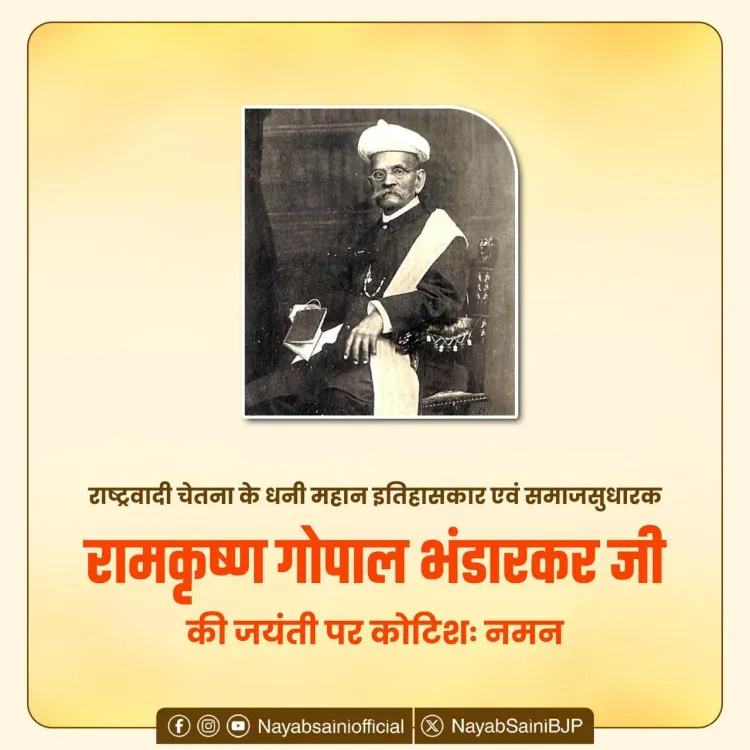
Synopsis
Haryana Chief Minister Nayab Singh Saini marked the birth anniversary of 19th-century orientalist and social reformer Ramkrishna Gopal Bhandarkar on 6 July 2026, praising his contributions to Indian scholarship, social reform, and cultural preservation.
Key Takeaways
Haryana CM Nayab Singh Saini posted a tribute to Ramkrishna Gopal Bhandarkar on 6 July 2026 , his birth anniversary.
Bhandarkar (1837–1906) was a pioneering Sanskrit philologist , epigraphist, and social reformer based in Pune .
He was a leading figure in the Prarthana Samaj , a 19th-century Bombay-based reform organisation that advocated widow remarriage and rational worship.
Saini's post highlighted three themes: national service, social harmony , and preservation of Indian culture .
The tribute follows a broader BJP pattern of marking anniversaries of 19th-century reformers to emphasise indigenous intellectual traditions.
The Bhandarkar Oriental Research Institute (BORI) in Pune, founded partly in his honour, remains a leading centre for Indological research.
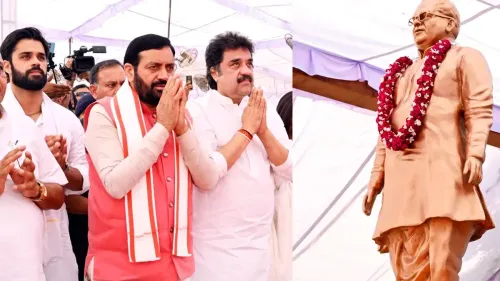
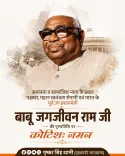
Haryana Chief Minister Nayab Singh Saini on Monday, 6 July 2026, paid tribute to Ramkrishna Gopal Bhandarkar, the 19th-century orientalist and social reformer, marking the scholar's birth anniversary with a post on X that honoured his contributions to Indian culture, historiography, and social reform.
In his post, Saini described Bhandarkar as 'rashtravadi chetna ke pratik, mahan itihaskar, samajsudharak aur Bharatiya sanskriti ke prakhar vyakhyata' — 'a symbol of nationalist consciousness, a great historian, social reformer, and eloquent interpreter of Indian culture' — and offered him 'kotishas naman' (salutations in the millions). He expressed that Bhandarkar's knowledge, visionary thinking, and dedication to society would continue to inspire all toward national service, social harmony, and the preservation of Indian culture.
Context
Ramkrishna Gopal Bhandarkar (1837–1906) was one of India's foremost 19th-century scholars, recognised for pioneering work in Sanskrit philology, epigraphy, and the critical study of ancient Indian texts. Born in Malvan, Maharashtra, he spent much of his academic career in Pune, where he helped establish rigorous standards for the study of classical Indian languages and inscriptions. His scholarship earned him international recognition and a knighthood from the British Crown.
Beyond academia, Bhandarkar was a committed social reformer. He was a prominent figure in the Prarthana Samaj, a Bombay-based socio-religious reform organisation founded in the 19th century that advocated rational, monotheistic worship and progressive social changes, including widow remarriage and the removal of caste-based discrimination. His dual legacy as both an intellectual giant and a social reformer has made him a recurring reference point in discussions of India's reform era.
Policy Backdrop
Statements of this nature from BJP-led state governments form part of a broader, recurring pattern in which senior leaders mark the birth anniversaries of 19th-century scholars and reformers to underscore India's indigenous intellectual heritage. Chief ministers and ministers across BJP-governed states have periodically issued such tributes, framing reformers like Bhandarkar as forerunners of the values of social harmony and cultural preservation that the party frequently invokes in its public messaging.
Saini's tribute specifically highlights three themes — rashtraseva (national service), samajik samarasata (social harmony), and the preservation of Indian culture — all of which align with official priorities that the Haryana government has articulated in various state programmes and public communications.
Stakeholders and Impact
Scholars, historians, and cultural organisations dedicated to the study of Sanskrit and classical Indian knowledge systems are the primary community for whom Bhandarkar's legacy holds direct relevance. The Bhandarkar Oriental Research Institute (BORI) in Pune, founded partly in his honour, remains one of India's most respected institutions for Indological research and continues to publish critical editions of ancient texts. Tributes from sitting chief ministers lend renewed public visibility to such institutions and the broader field of classical Indian studies.
For Haryana's educational and cultural establishment, such statements signal official esteem for the reform era and for scholars who bridged traditional learning with modern critical methods — a framing that can influence curriculum discussions and state-sponsored cultural events.
What's Next
While no specific Haryana government scheme or event directly linked to Bhandarkar has been announced alongside this tribute, the state's pattern of marking reform-era anniversaries suggests that similar commemorations for other 19th- and early 20th-century figures may follow in the coming months. Observers of Haryana's cultural policy will watch for any state-level academic events, curriculum updates, or references to the reform tradition in official communications as the year progresses.
Point of View
The post signals an inclusive framing that reaches beyond the party's core base toward communities invested in the reform tradition. This fits a wider pattern in which BJP-led state governments use anniversary tributes to reformers as low-friction, high-visibility moments to reinforce official cultural priorities without triggering political controversy. Whether the tribute translates into substantive policy action — such as curriculum integration or state-sponsored academic events — remains the more consequential question.
NationPress
6 Jul 2026
Frequently Asked Questions
Who was Ramkrishna Gopal Bhandarkar?
Ramkrishna Gopal Bhandarkar (1837–1906) was a pioneering Indian orientalist, Sanskrit scholar, and social reformer from Maharashtra, known for his work in Sanskrit philology and epigraphy and his role in the Prarthana Samaj reform movement.
Why did CM Nayab Singh Saini pay tribute to Bhandarkar?
Haryana CM Nayab Singh Saini posted a tribute on 6 July 2026 to mark Bhandarkar's birth anniversary, honouring his legacy as a historian, social reformer, and interpreter of Indian culture.
What was the Prarthana Samaj?
The Prarthana Samaj was a 19th-century socio-religious reform organisation based in Bombay that advocated monotheistic worship, widow remarriage, and the removal of caste-based social discrimination. Bhandarkar was one of its prominent members.
What is the Bhandarkar Oriental Research Institute?
The Bhandarkar Oriental Research Institute (BORI) in Pune is one of India's most respected institutions for Indological research, founded partly in honour of R G Bhandarkar. It is known for publishing critical editions of ancient Indian texts.
What does Nayab Singh Saini's tribute to Bhandarkar signal politically?
The tribute aligns with a broader BJP pattern of marking birth anniversaries of 19th-century reformers to emphasise India's indigenous intellectual traditions and values of social harmony and cultural preservation.