CM Bhajan Lal Pays Tribute to Savarkar on Birth Anniversary
Synopsis
Rajasthan Chief Minister Bhajan Lal Sharma on 28 May 2026 honoured Vinayak Damodar Savarkar on his birth anniversary, praising the revolutionary nationalist's courage, sacrifice, and patriotism as an enduring inspiration in Indian history.
Key Takeaways
Rajasthan CM Bhajan Lal Sharma posted a tribute to Vinayak Damodar Savarkar on his birth anniversary, 28 May 2026 .
Sharma described Savarkar as a symbol of 'unbroken national devotion, indomitable courage, and unparalleled sacrifice.' Savarkar was born on 28 May 1883 in Bhagur, Maharashtra , and is known for his revolutionary activism and writings on Hindutva.
He was imprisoned in the Cellular Jail , Andaman and Nicobar Islands, for nearly a decade during the colonial period.
Annual tributes to Savarkar by BJP leaders on his birth anniversary are a recurring feature of the party's public commemoration calendar.
Such commemorations reflect the BJP's broader effort to highlight revolutionary nationalists alongside the mainstream Congress-led freedom struggle narrative.
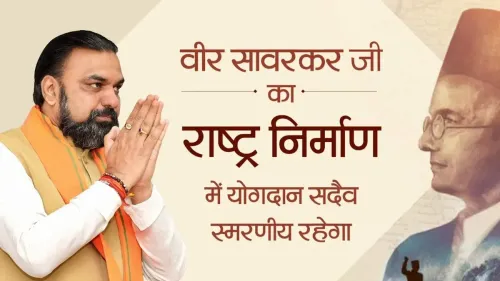
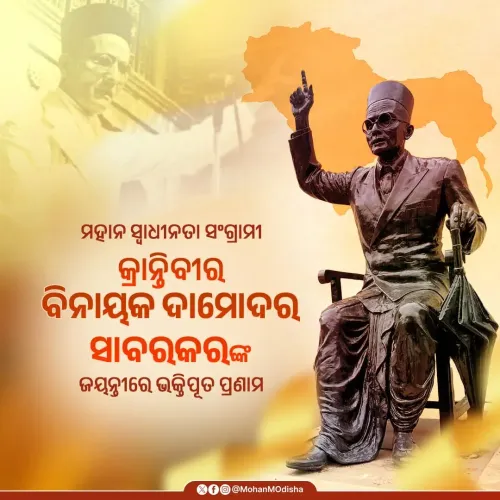
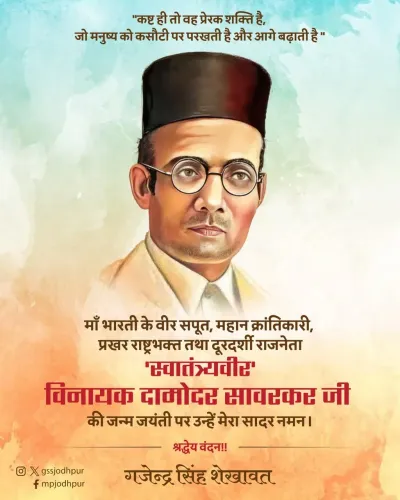
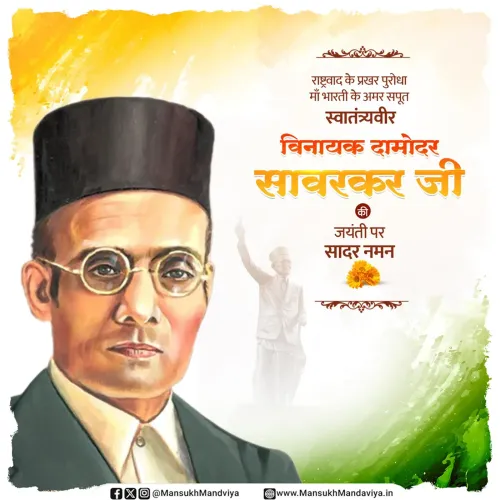
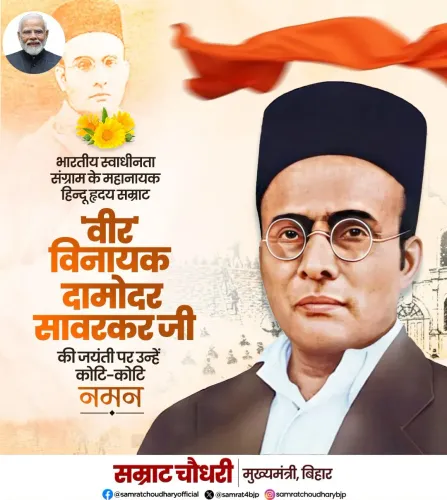
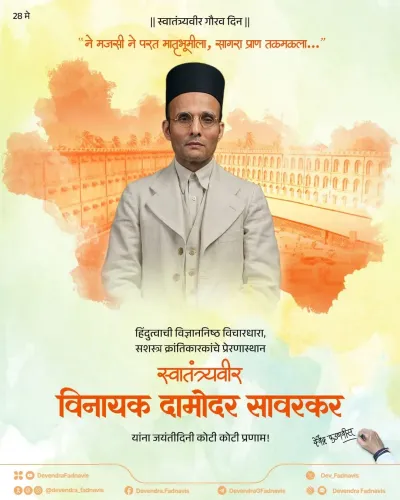
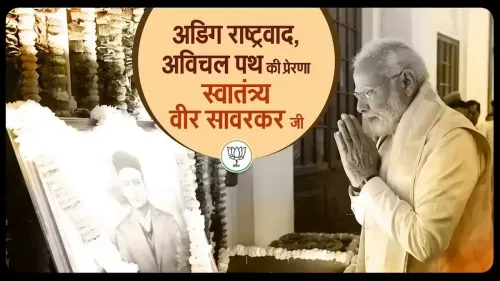
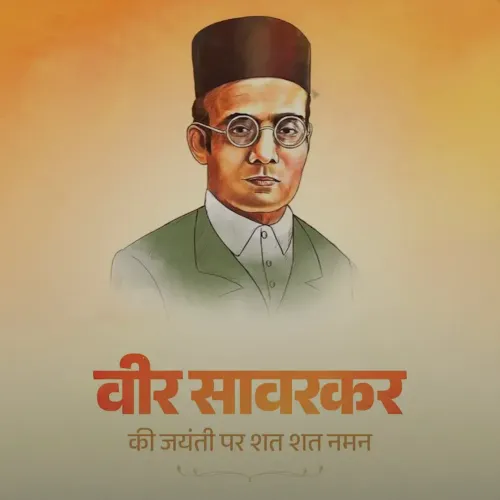
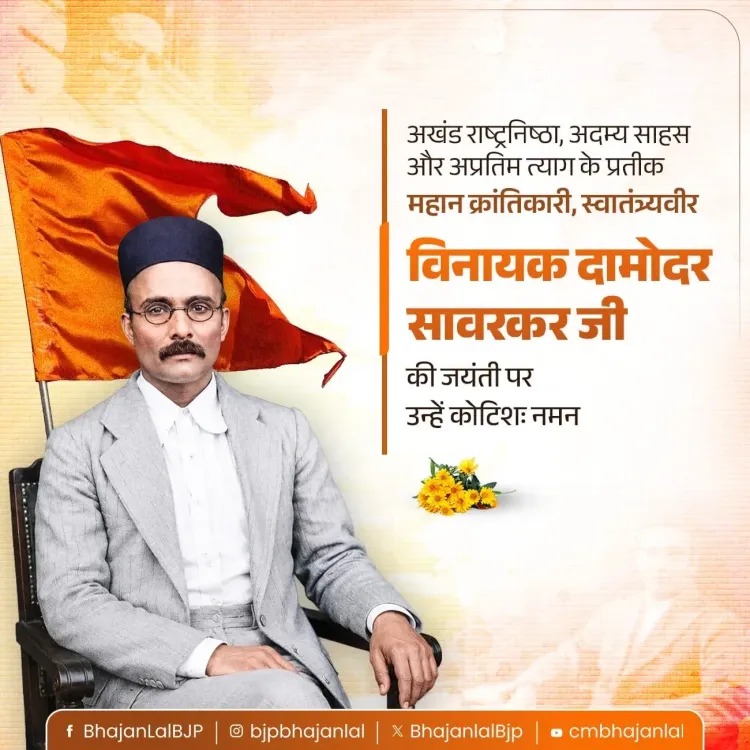
Rajasthan Chief Minister Bhajan Lal Sharma on Thursday, 28 May 2026 paid tribute to revolutionary nationalist Vinayak Damodar Savarkar on his birth anniversary, hailing him as a symbol of undying patriotism, indomitable courage, and unparalleled sacrifice.
In his post on X, Sharma wrote: 'Akhand rashtranishtha, adamya sahas aur apratim tyag ke pratik, mahan krantikari, Swatantryaveer Vinayak Damodar Savarkar ji ki jayanti par unhe kotishaha naman!' — loosely translated as, 'On the birth anniversary of the great revolutionary Swatantryaveer Vinayak Damodar Savarkar, a symbol of unbroken national devotion, indomitable courage, and unparalleled sacrifice, I offer him countless salutations!' He further stated that Savarkar's struggle for the freedom of the motherland, his radiant thought, and his indelible message of patriotism 'will forever remain a source of inspiration in Indian history.'
Context
Vinayak Damodar Savarkar was born on 28 May 1883 in Bhagur, Maharashtra, and went on to become one of the most consequential — and contested — figures in India's independence movement. He was imprisoned for nearly a decade in the Cellular Jail in the Andaman and Nicobar Islands, a site that has come to symbolise colonial-era brutality against Indian revolutionaries. He passed away on 26 February 1966.
Savarkar is credited with coining the political concept of Hindutva in his 1923 pamphlet, and his legacy spans revolutionary anti-colonial activism, prolific writing, and social reform advocacy. His place in the national narrative remains a subject of vigorous historical and political debate in India.
Policy Backdrop
The Bharatiya Janata Party has consistently elevated Savarkar's profile as part of a broader effort to foreground revolutionary nationalists who operated outside the mainstream Indian National Congress-led freedom struggle narrative. Annual tributes by BJP leaders — including chief ministers, union ministers, and the Prime Minister — on 28 May have become a fixture of the party's public commemoration calendar.
BJP-governed states have, over the years, incorporated Savarkar's contributions into educational curricula, named public infrastructure after him, and organised state-level events on his birth and death anniversaries. These acts of commemoration are viewed by supporters as a correction of historical neglect, and by critics as a politically motivated reframing of independence-era history.
Stakeholders and Impact
For the BJP and its ideological ecosystem, Savarkar Jayanti is an occasion to reinforce the party's nationalist credentials and connect its governance philosophy to a specific strand of the independence movement. Chief ministers like Bhajan Lal Sharma use such commemorations to signal ideological continuity with the party's founding values.
For historians, academics, and opposition parties, the framing of Savarkar's legacy — particularly the emphasis on his 'tejasvi chintan' ('radiant thought') — is a point of ongoing contestation. Citizens and students in Rajasthan, where the BJP government has been active in revising educational content, are among the most direct stakeholders in how such figures are publicly remembered.
What's Next
Statements and events on Savarkar Jayanti from other BJP chief ministers and central government leaders are expected to follow a similar pattern, with some states potentially announcing new memorials, scholarships, or curriculum references tied to his legacy. How the broader political discourse around Savarkar's commemoration evolves — particularly ahead of state and national electoral cycles — will be closely watched by political observers.
Point of View
The Rajasthan CM signals ideological alignment with the party's core narrative on independence history. Such annual commemorations serve a dual function: reinforcing the BJP's identity politics and keeping Savarkar's contested legacy at the centre of public discourse. As Rajasthan approaches future electoral cycles, the frequency and scale of such statements are likely to intensify.
NationPress
21 Sept 2026
Frequently Asked Questions
When is Vinayak Damodar Savarkar's birth anniversary?
Vinayak Damodar Savarkar was born on 28 May 1883 , and his birth anniversary is observed annually on that date.
Why do BJP leaders pay tribute to Savarkar?
The BJP considers Savarkar a revolutionary nationalist whose contributions to India's independence were historically overlooked; annual tributes are part of the party's effort to foreground his legacy alongside mainstream freedom movement figures.
What is Savarkar known for?
Vinayak Damodar Savarkar is known for his anti-colonial revolutionary activism, imprisonment in the Cellular Jail in the Andaman Islands, prolific writing, and for coining the political concept of Hindutva in 1923.
Who is Bhajan Lal Sharma?
Bhajan Lal Sharma is the Chief Minister of Rajasthan and a senior leader of the Bharatiya Janata Party .
What did Rajasthan CM say about Savarkar?
Rajasthan CM Bhajan Lal Sharma called Savarkar a symbol of 'unbroken national devotion, indomitable courage, and unparalleled sacrifice,' and said his patriotism and thought would remain a source of inspiration in Indian history.