CM Saini Calls for Child-Labour-Free Society on World Day
Synopsis
On World Day Against Child Labour, Haryana Chief Minister Nayab Singh Saini called child labour a serious societal challenge and urged collective action to build a child-labour-free society, ensuring every child's right to education, safety, and a bright future.
Key Takeaways
Haryana CM Nayab Singh Saini marked World Day Against Child Labour on 12 June 2026 by calling for a child-labour-free society.
He described child labour as a 'serious challenge' that deprives children of their rights, education, and childhood.
India's Child Labour (Prohibition and Regulation) Act was amended in 2016 to ban employment of children under 14 in all occupations.
The National Child Labour Project (1988) continues to rehabilitate working children through special schools and vocational training in Haryana and other states.
India ratified ILO Convention 182 on the worst forms of child labour in 2017 .
The UN's SDG target 8.7 calls for an end to all forms of child labour by 2025 , framing the urgency behind such public pledges.
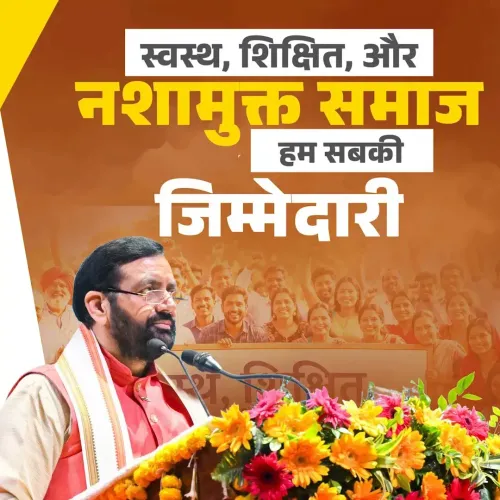
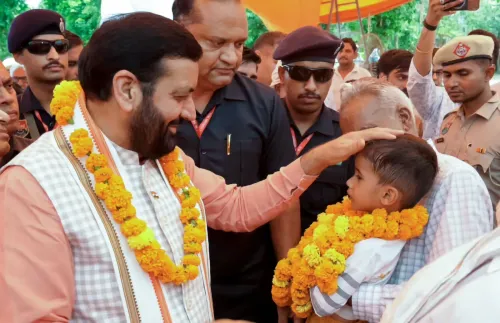
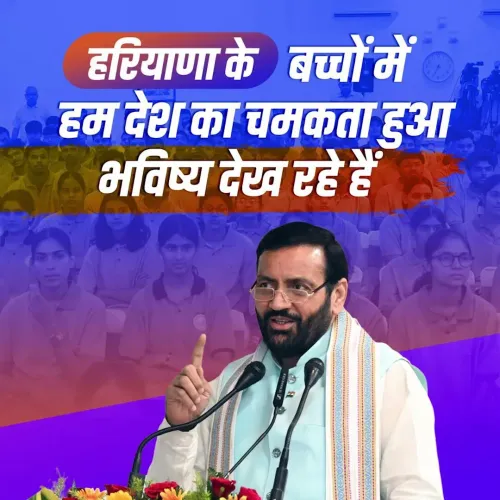
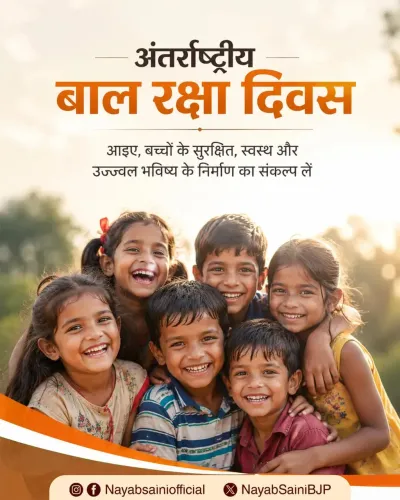
Haryana Chief Minister Nayab Singh Saini on Friday, 12 June 2026, used the occasion of World Day Against Child Labour to call on all sections of society to collectively pledge the elimination of child labour and to secure every child's right to education, safety, and a bright future.
Context
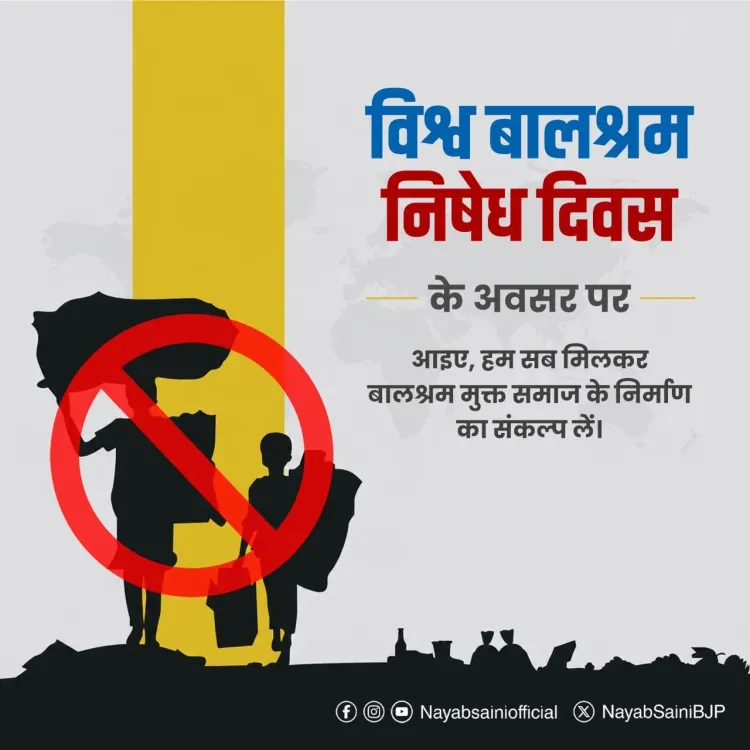
In his post, CM Saini described child labour as 'samaj ki ek gambhir chunauti' (a serious challenge for society) that adversely affects children's dreams, education, and childhood. He noted that it deprives children of their rights and burdens them with responsibilities at a tender age. Calling for collective action, he urged everyone to work together to build a child-labour-free society and ensure that every child receives education, protection, and the opportunity for a bright future.
Policy Backdrop
India's legislative framework against child labour rests on the Child Labour (Prohibition and Regulation) Act, 1986, which was substantially amended in 2016 to ban the employment of children under the age of 14 in all occupations. The Right of Children to Free and Compulsory Education Act, 2009 reinforced this by guaranteeing free schooling up to age 14, creating a complementary legal architecture designed to keep children in classrooms rather than workplaces.
At the international level, India ratified ILO Convention 182 on the worst forms of child labour in 2017, signalling a commitment to global standards. The National Child Labour Project, a central scheme launched in 1988, continues to identify, withdraw, and rehabilitate working children through special schools and vocational training programmes. State-level action plans under this scheme remain operational in Haryana and other states with notable incidence of working children.
Stakeholders and Impact
The World Day Against Child Labour, observed every year on 12 June, was established by the International Labour Organization (ILO) in 2002 to spotlight the scale of child labour and galvanise governments, civil society, and communities into action. For Haryana, the message from the Chief Minister aligns with the state's obligations under India's national action plan and the broader UN Sustainable Development Goal target 8.7, which calls for an end to all forms of child labour by 2025.
The children most directly affected are those from economically vulnerable households, where poverty pushes families to depend on supplementary income from young members. Advocacy groups and child welfare bodies have long argued that sustained investment in universal elementary education and poverty alleviation — through programmes such as Sarva Shiksha Abhiyan — is the most durable route to eliminating exploitative child labour.
What's Next
Attention will now turn to whether the Haryana government follows the Chief Minister's public appeal with concrete administrative steps, including a revised state action plan under the National Child Labour Project and enhanced enforcement of the 2016 amendment to the child labour law. The release of fresh data from the Periodic Labour Force Survey or a state-specific child labour survey would provide a clearer picture of ground-level progress. Until then, CM Saini's statement sets a public benchmark against which the administration's performance on child welfare can be measured in the months ahead.
Point of View
Which subtly distributes accountability beyond the administration. With the SDG 2025 deadline for eliminating child labour already passed, such pledges will face scrutiny unless backed by updated state action plans and fresh survey data. The statement also signals that child welfare remains a politically safe and symbolically resonant issue for the ruling dispensation in Haryana ahead of any forthcoming policy reviews.
NationPress
19 Sept 2026
Frequently Asked Questions
What is World Day Against Child Labour and when is it observed?
World Day Against Child Labour is an annual observance on 12 June , established by the International Labour Organization (ILO) in 2002 to raise awareness about child labour and promote efforts to eliminate it worldwide.
What did Haryana CM Nayab Singh Saini say on World Day Against Child Labour 2026?
CM Nayab Singh Saini described child labour as a serious societal challenge that deprives children of their rights and burdens them with responsibilities at a young age, calling on everyone to collectively pledge to build a child-labour-free society and ensure every child's right to education and protection.
What is India's law against child labour?
The Child Labour (Prohibition and Regulation) Act, 1986 , amended significantly in 2016 , bans the employment of children under 14 years of age in all occupations and processes in India.
What is the National Child Labour Project?
The National Child Labour Project is a central government scheme launched in 1988 that works to identify, withdraw, and rehabilitate child workers through special schools and vocational training programmes, with state-level action plans operating in Haryana and other states.
Has India signed any international treaty on child labour?
Yes. India ratified ILO Convention 182 on the worst forms of child labour in 2017 , committing to international standards for the elimination of hazardous child labour.