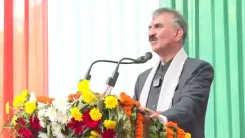
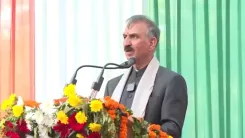
CM Saini Signs ₹12,000 Cr MoUs on Day 1 of Gujarat Tour
Synopsis
Haryana Chief Minister Nayab Singh Saini signed MoUs worth approximately ₹12,000 crore on the first day of his Gujarat visit, targeting defence textiles, technical textiles, waste-to-energy, solar energy, industrial machinery, and cosmetic manufacturing to drive employment and industrial growth in Haryana.
Key Takeaways
₹12,000 crore in investment MoUs were signed on Day 1 of CM Saini's Gujarat tour on 27 October 2026 .
Six sectors are covered: defence textiles, technical textiles, waste-to-energy, industrial machinery, solar energy, and cosmetic manufacturing .
The government's stated goal is to create employment for Haryana's youth and establish the state as a leading industrial and investment hub.
Haryana has maintained successive industrial policies since 2015 , emphasising single-window clearance and sector-specific incentives.
The Gujarat tour is ongoing; the final MoU tally may rise in subsequent days.
Actual impact depends on the conversion rate of MoUs into ground-level projects — a key metric to watch.
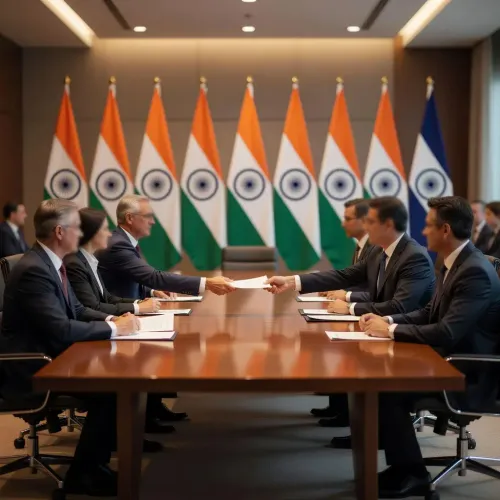
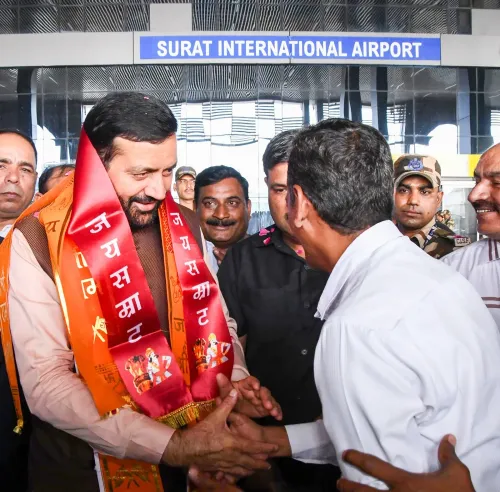
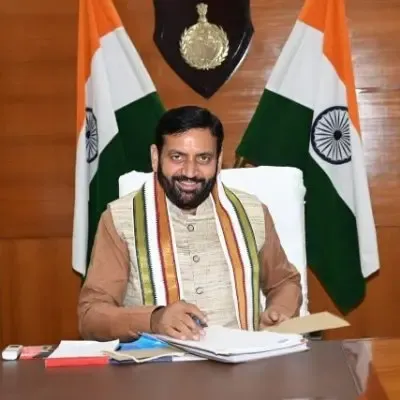
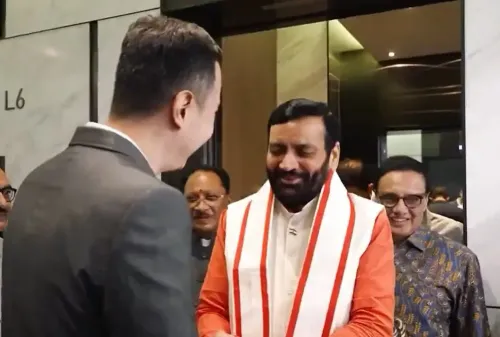
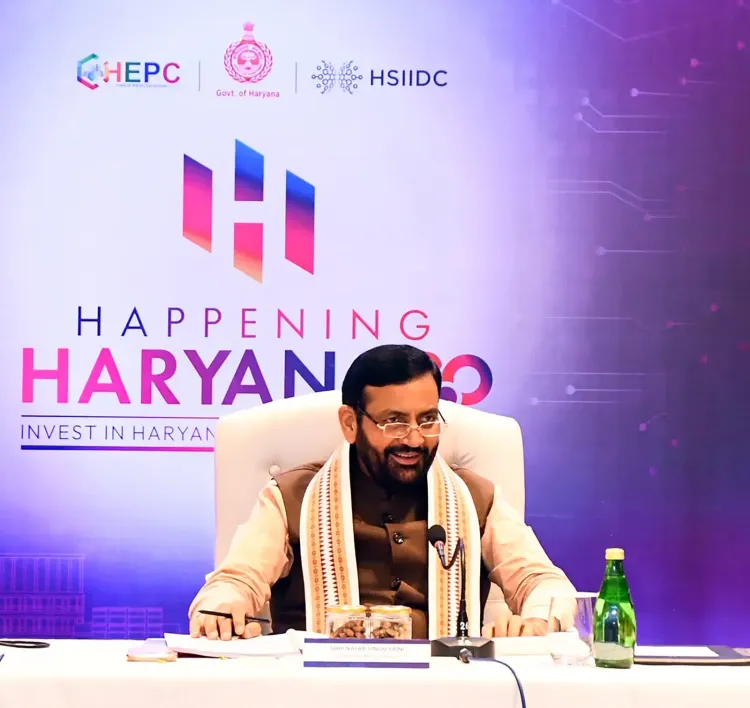
On the first day of his Gujarat visit, Haryana Chief Minister Nayab Singh Saini signed investment agreements worth approximately ₹12,000 crore on Tuesday, 27 October 2026, spanning six high-growth sectors — a move he says will turn Haryana into a premier industrial and investment hub.
Posting in Hindi on X, CM Saini wrote: 'आज गुजरात दौरे के पहले दिन लगभग ₹12,000 करोड़ के निवेश समझौतों (MoU) पर हस्ताक्षर किए' — 'On the first day of the Gujarat tour today, Memoranda of Understanding worth approximately ₹12,000 crore were signed.' The sectors covered include defence textiles, technical textiles, waste-to-energy, industrial machinery, solar energy, and cosmetic manufacturing.
Why Haryana Is Shopping for Investors in Gujarat
The optics are deliberate. Gujarat has long been India's most recognisable manufacturing showcase — home to decades of investor summits and a dense ecosystem of industrial clusters. A Haryana delegation arriving there is not conceding ground; it is fishing where the fish are, targeting capital-ready businesses already primed for industrial expansion.
This fits a well-worn playbook in Indian competitive federalism. States increasingly market their ease-of-doing-business reforms, single-window clearances, and sector-specific incentives directly to investor communities clustered in rival states. Haryana has run successive industrial policies since 2015, with a consistent focus on textiles, auto components, and renewables — the same sectors anchoring Tuesday's MoU basket.
The Six Sectors and What They Signal for Haryana
The breadth of Tuesday's agreements reflects a conscious diversification away from Haryana's traditional auto-components identity. Defence textiles — a niche that has grown sharply since India's push for domestic defence manufacturing — and technical textiles sit alongside the more conventional solar energy and industrial machinery plays. Waste-to-energy adds a green-infrastructure dimension, while cosmetic manufacturing taps a consumer-goods sector that has seen strong post-pandemic capacity expansion.
CM Saini framed the goal plainly: to create fresh employment opportunities for Haryana's youth and to position the state as a leading investment destination through improved ease of doing business. Haryana's industrial belt — anchored by Gurugram and Faridabad — already generates significant formal employment, but youth unemployment remains a politically live issue the BJP government is keen to address visibly.
MoUs on Paper, Projects on the Ground
The critical caveat, as always with investment roadshows, is conversion. MoUs are letters of intent, not ground-broken factories. The genuine test of Tuesday's signings will come in the months that follow — whether land is allocated, environmental clearances are processed, and plant construction actually begins. The Saini government's Gujarat tour is still ongoing, meaning the total MoU figure could climb further before the delegation returns.
For now, ₹12,000 crore committed on Day 1 sets an ambitious baseline. If even a significant fraction translates into operational units, Haryana's industrial map — already one of North India's densest — could look meaningfully different by the end of the decade.
Point of View
Particularly defence textiles and waste-to-energy, signals an attempt to climb the manufacturing value chain beyond Haryana's legacy auto-components base. For the BJP government, the political dividend is equally clear: large MoU numbers create a visible employment narrative ahead of any future electoral cycle. The harder question — how many of these agreements become operational plants — will define whether Tuesday's announcement is a genuine industrial inflection point or a well-staged press moment.
NationPress
27 Oct 2026
Frequently Asked Questions
How much investment did Haryana CM Nayab Singh Saini secure in Gujarat?
CM Nayab Singh Saini signed MoUs worth approximately ₹12,000 crore on the first day of his Gujarat tour on 27 October 2026.
Which sectors are covered in Haryana's ₹12,000 crore investment MoUs?
The MoUs span six sectors: defence textiles, technical textiles, waste-to-energy, industrial machinery, solar energy, and cosmetic manufacturing.
Why did Haryana CM visit Gujarat for investment deals?
Gujarat hosts a dense ecosystem of investors and manufacturers, making it a strategic destination for states seeking to attract industrial capital — a common practice in India's competitive federalism.
Will the ₹12,000 crore MoUs definitely create jobs in Haryana?
MoUs are letters of intent and not guaranteed investments. The actual employment impact depends on how many agreements convert into operational projects on the ground.
What is Haryana's industrial policy background?
Haryana has run successive industrial policies since 2015, focusing on single-window clearance and sector-specific incentives for textiles, auto components, and renewables.