CM Sai's Office Launches 'Sughar Chhattisgarh' Drive Across 23 Districts
Synopsis
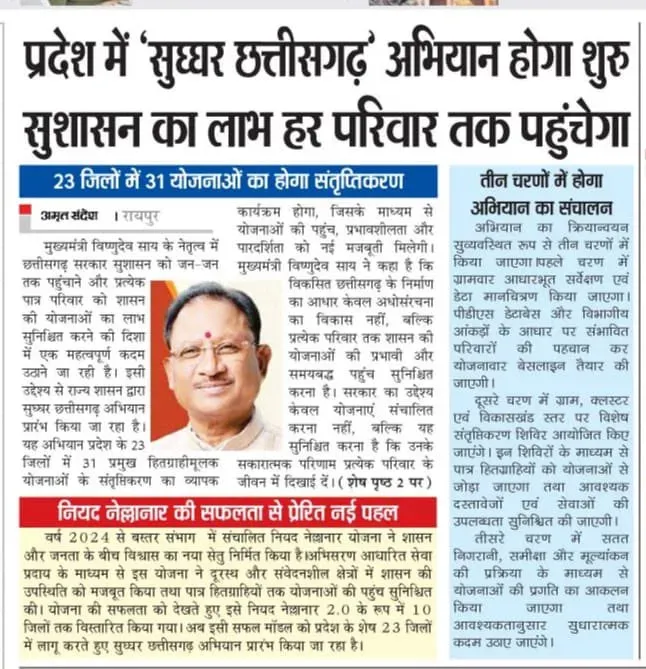
The Chhattisgarh CMO has launched the 'Sughar Chhattisgarh Abhiyan,' a special camp-based drive across 23 districts to deliver benefits of 31 government schemes to eligible beneficiaries, anchored in the Antyodaya philosophy of reaching the poorest households.
Key Takeaways
The Sughar Chhattisgarh Abhiyan was announced by the Chief Minister's Office of Chhattisgarh on 20 June 2026 .
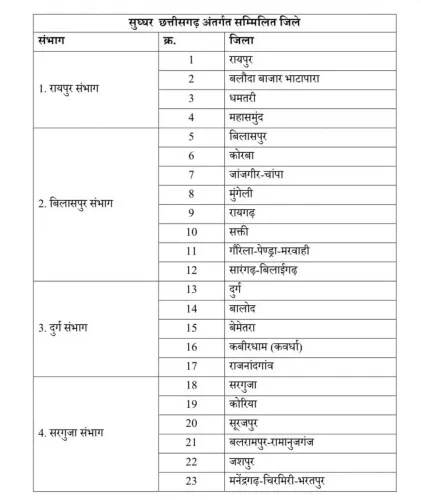
The campaign will cover 23 districts of Chhattisgarh through large-scale beneficiary camps.
31 key schemes from multiple government departments will be delivered under the drive.
The initiative is framed around the Antyodaya philosophy of uplifting the last and poorest person in society.
The drive aligns with the BJP government's stated emphasis on su-shasan (good governance) since taking office in December 2023 .
Camp-based saturation drives are part of a broader national pattern aimed at improving last-mile welfare delivery, especially in tribal and rural areas.
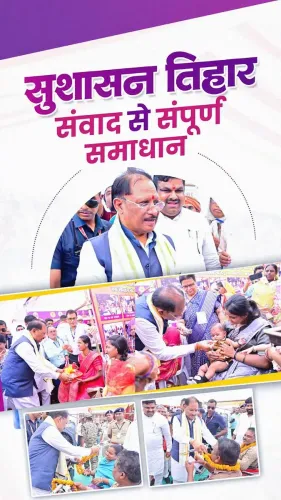
The Chief Minister's Office of Chhattisgarh announced on Saturday, 20 June 2026 the launch of the Sughar Chhattisgarh Abhiyan (Sughar Chhattisgarh Campaign), a special governance drive that will roll out across 23 districts of the state to deliver benefits of 31 key government schemes directly to eligible beneficiaries through large-scale camps.
Context
The post by the Chief Minister's Office describes the campaign as 'adding a new chapter in good governance,' declaring it an expression of the Antyodaya ka sankalp — the resolve to uplift the last person in the queue. The drive will see camps organised 'at a wide scale' (vyapak star par) to ensure that eligible recipients across the state's districts receive the benefits they are entitled to under three dozen departmental schemes.
The term Sughar in Chhattisgarhi connotes neatness, efficiency, and good order — signalling that the campaign is framed as much as a quality-of-governance statement as a welfare delivery exercise.
Policy Backdrop
The Bharatiya Janata Party government in Chhattisgarh, formed in December 2023 under Chief Minister Vishnudeo Sai, came to office with an explicit emphasis on su-shasan (good governance) and closing last-mile gaps in welfare delivery. The Antyodaya philosophy — rooted in Deendayal Upadhyaya's vision of serving the poorest of the poor — has been a recurring ideological anchor for the administration's public communications.
Nationally, the Antyodaya framework has underpinned several flagship programmes, from the Antyodaya Anna Yojana (subsidised food grains, introduced 2000) to the Deendayal Antyodaya Yojana (skills and self-employment, launched 2015). Bundling multiple scheme deliveries into single-window saturation camps mirrors similar exercises conducted in states like Madhya Pradesh and Rajasthan to reduce leakages and improve beneficiary coverage.
The broader national push since the mid-2010s for Direct Benefit Transfer and real-time monitoring of beneficiary saturation has made such camp-based drives a standard tool in state governance playbooks, particularly in tribal and rural belts where physical outreach remains critical.
Stakeholders and Impact
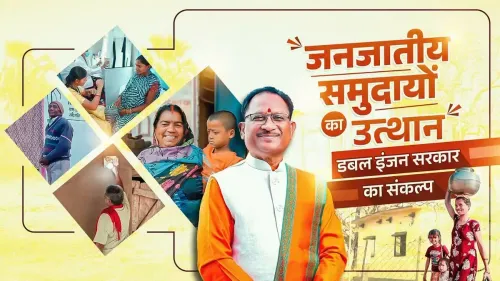
The primary beneficiaries of the campaign are eligible households — particularly tribal communities, rural poor, and marginalised families — across the 23 districts where camps will be organised. Chhattisgarh has a substantial Scheduled Tribe population, and welfare scheme saturation in forested and remote areas has historically lagged behind urban centres.
Multiple state departments are involved, with the 31 schemes drawn from across sectoral portfolios. The camp format is designed to bring documentation, verification, and enrolment processes to the beneficiary's doorstep, reducing the burden on individuals who may lack transport access or administrative literacy to navigate departmental offices independently.
What's Next
The administration is expected to release official participation figures and scheme-saturation data after the camps conclude. Observers will watch whether the campaign is subsequently extended to the remaining districts of the state, and whether outcomes are integrated with central government beneficiary portals for real-time tracking. The drive's success will likely be cited as a governance benchmark ahead of the state's next electoral cycle.
Point of View
Lending it moral weight beyond bureaucratic routine. Whether the campaign translates into measurable saturation gains or remains a symbolic exercise will depend on the quality of district-level implementation and independent verification of outcomes.
NationPress
20 Jun 2026
Frequently Asked Questions
What is the Sughar Chhattisgarh Abhiyan?
The Sughar Chhattisgarh Abhiyan is a special governance campaign announced by the Chhattisgarh Chief Minister's Office to deliver benefits of 31 government schemes to eligible beneficiaries through large-scale camps across 23 districts of the state.
Which districts are covered under the Sughar Chhattisgarh Abhiyan?
The campaign will be held across 23 districts of Chhattisgarh. The specific list of districts has not been detailed in the official announcement, but camps will be organised at a wide scale within these areas.
What is the Antyodaya philosophy mentioned in the Chhattisgarh campaign?
Antyodaya, meaning 'upliftment of the last person,' is a concept rooted in the philosophy of Deendayal Upadhyaya. It has underpinned several central and state welfare programmes, including the Antyodaya Anna Yojana and the Deendayal Antyodaya Yojana, and is a recurring ideological anchor for BJP-led governments.
How many schemes are covered under the Sughar Chhattisgarh drive?
According to the Chief Minister's Office announcement, 31 key schemes from various government departments will be delivered to eligible beneficiaries under the campaign.
Who benefits from the Sughar Chhattisgarh Abhiyan?
The campaign targets eligible beneficiaries across Chhattisgarh's 23 districts, with a focus on tribal communities, rural poor, and marginalised households who may face barriers in accessing government scheme benefits through regular departmental channels.