CM Samrat Choudhary Approves 5 New Private Universities Across Bihar
Synopsis
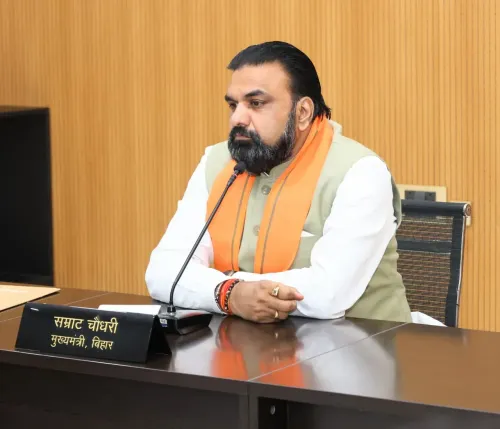
Bihar Chief Minister Samrat Choudhary on 24 June 2026 approved five new private universities across Madhubani, Siwan, Nawada, Patna, and Aurangabad, extending the state's strategy of using private investment to expand higher education access in underserved districts.
Key Takeaways
Five private universities have received Bihar government approval for establishment and operation.
The approved institutions are located in Madhubani (Shanja University), Siwan , Nawada (S.A.
University), Patna (Himalaya University), and Aurangabad (Sityog University).
Four of the five universities are in districts outside the state capital , targeting regions with historically limited higher education access.
The approvals were announced by Chief Minister Samrat Choudhary on 24 June 2026 .
The move aligns with Bihar's stated agenda of reducing regional imbalances in educational infrastructure.
Institutions must still clear UGC recognition and infrastructure requirements before student enrolment can begin.
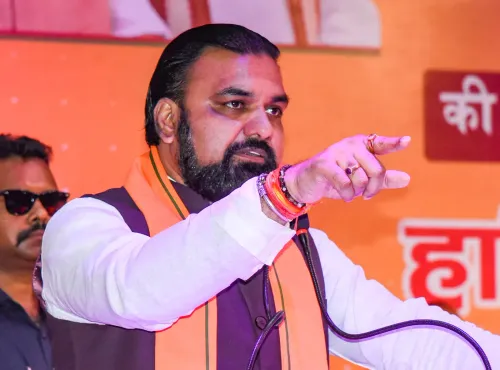
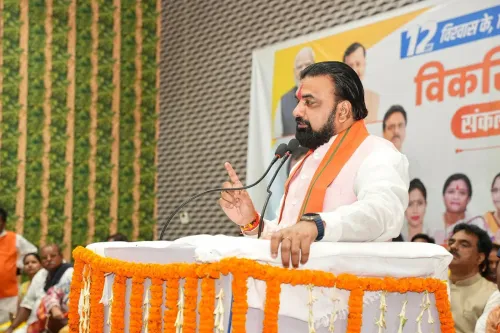
Bihar Chief Minister Samrat Choudhary on Wednesday, 24 June 2026 announced government approval for the establishment and operation of five new private universities across different districts of the state, marking a significant expansion of higher education infrastructure in the region.
What Was Approved
The five universities cleared by the Bihar government span a wide geographic spread. Shanja University (शांजा विश्वविद्यालय) has been approved in Madhubani, while a new private university has received the go-ahead in Siwan. S.A. University will come up at Ashok Nagar in Nawada, and Himalaya University has been sanctioned in the state capital Patna. The fifth institution, Sityog University (सीतयोग विश्वविद्यालय), will be established at Jasoiya Mor in Aurangabad.
Choudhary shared the approvals on X under the hashtags #ShikshitBihar (Educated Bihar) and #समृद्ध_बिहार (Prosperous Bihar), framing the move as part of the state's broader development agenda.
Context
Bihar has historically lagged behind other large Indian states in higher education enrolment and institutional density. The state government has, since the 2010s, pursued a strategy of inviting private investment to build university capacity, particularly in smaller districts that lack proximity to established institutions in Patna or other urban centres.
The five approvals announced on 24 June 2026 continue that policy trajectory, with four of the five universities located outside the state capital — in Madhubani, Siwan, Nawada, and Aurangabad — districts that have historically had limited access to degree-level education.
Policy Backdrop
The approvals align with the BJP-led Bihar government's stated goal of reducing regional imbalances in educational access and supporting the national #विकसित_भारत (Developed India) framework. Private universities, once established and operationalised, are expected to absorb a share of Bihar's large student population that currently migrates to other states for higher education.
Regulatory oversight for these institutions will fall under the Bihar Private Universities Act and applicable University Grants Commission (UGC) norms. Infrastructure readiness, faculty recruitment, and formal UGC recognition will be key milestones before any of the five institutions can begin enrolling students.
Stakeholders and Impact
The primary beneficiaries are students and youth in districts such as Madhubani, Siwan, Nawada, and Aurangabad, where access to local degree programmes has been limited. Private education providers and local economies in these districts stand to gain from the institutional investment and employment that new campuses generate.
Civil society groups focused on education equity will likely monitor whether these universities maintain affordable fee structures and meet quality benchmarks set by the state's higher education council.
What's Next
The approvals mark the administrative green light, but each university must now clear infrastructure verification, faculty appointment requirements, and formal recognition processes before academic operations begin. Enrolment timelines and course offerings have not yet been disclosed. Observers will watch whether the state government provides any regulatory or financial facilitation to accelerate the rollout, and how quickly the UGC processes recognition applications for the new institutions.
Point of View
Peripheral districts rather than urban centres, the move is designed to address a long-standing grievance — the exodus of Bihar's youth to other states for degree education. Leveraging private capital for public educational goals is a well-worn strategy in Indian state policy, but its success in Bihar will hinge on regulatory rigour and whether fee structures remain within reach of the state's predominantly rural student population. The announcement, framed under the 'Shikshit Bihar' and 'Viksit Bharat' banners, also fits neatly into the BJP's national narrative of development-led governance ahead of future electoral cycles.
NationPress
24 Jun 2026
Frequently Asked Questions
Which 5 new private universities were approved in Bihar?
The Bihar government approved Shanja University in Madhubani, a private university in Siwan, S.A. University in Nawada's Ashok Nagar, Himalaya University in Patna, and Sityog University at Jasoiya Mor in Aurangabad.
Who approved the new private universities in Bihar?
Bihar Chief Minister Samrat Choudhary announced the approvals on 24 June 2026 via a post on X.
When will the new Bihar private universities start admissions?
No enrolment timeline has been announced yet. Each institution must complete infrastructure verification and obtain UGC recognition before academic operations can begin.
Why is Bihar approving more private universities?
Bihar has historically had a low density of higher education institutions relative to its population. The state has been using private investment to build university capacity, particularly in smaller districts, to reduce regional imbalances and curb student migration to other states.
Which districts in Bihar are getting new universities in 2026?
The five districts receiving new private university approvals in 2026 are Madhubani, Siwan, Nawada, Patna, and Aurangabad.