CM Samrat Choudhary Backs Bihar Heli-Tourism Push
Synopsis
Bihar Chief Minister Samrat Choudhary on 13 July 2026 backed a heli-tourism campaign on social media, tying the initiative to the Viksit Bharat framework and the state's broader push to develop premium tourism access to its heritage and pilgrimage sites.
Key Takeaways
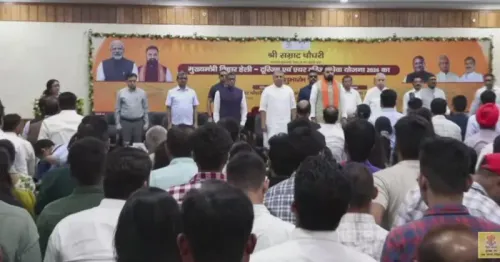
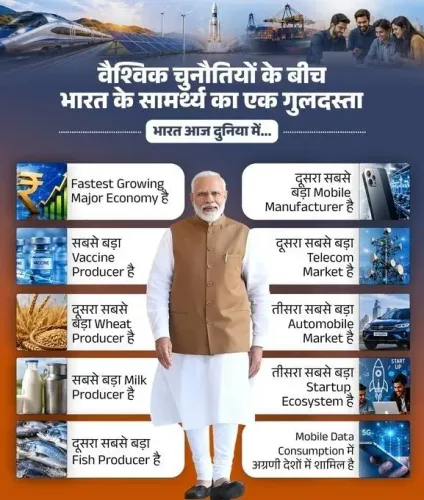
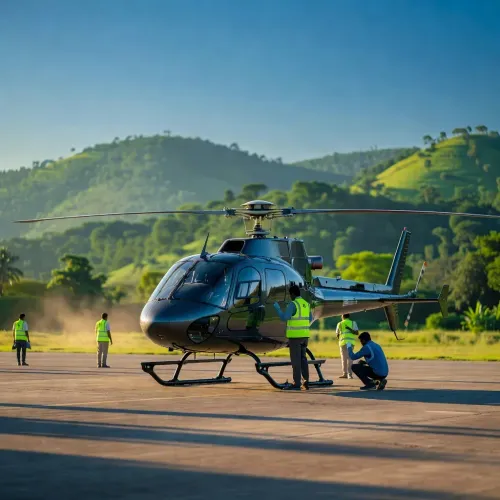
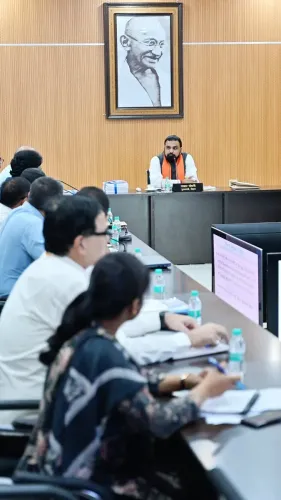
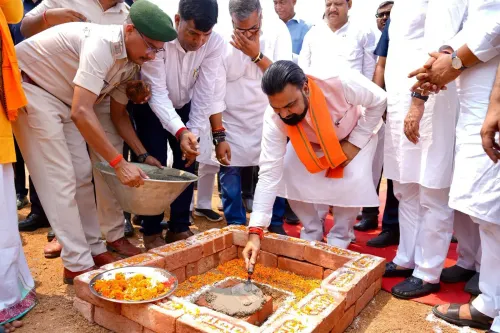
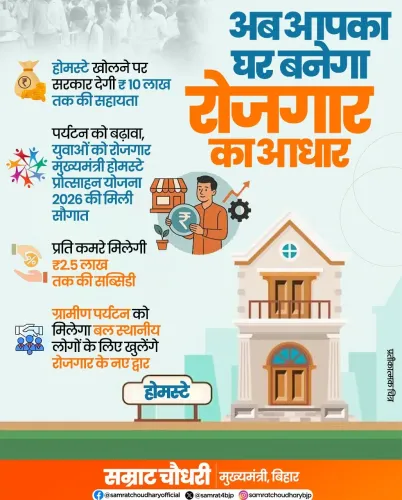
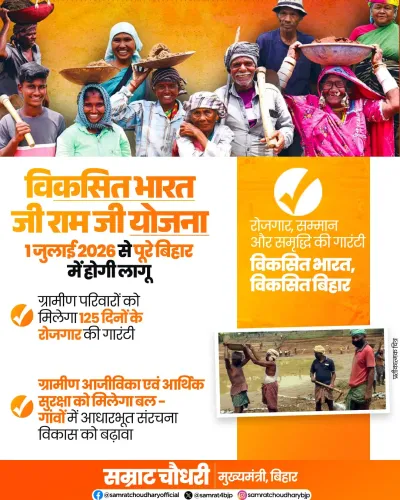
Bihar CM Samrat Choudhary reposted a heli-tourism campaign post on 13 July 2026 , accompanied by four images .
The post carried hashtags linking the initiative to Viksit Bharat (Developed India by 2047) and Samridh Bihar (Prosperous Bihar).
Bihar holds major Buddhist heritage sites — Bodh Gaya , Nalanda , and Rajgir — that heli-tourism is intended to make more accessible to premium visitors.
The Union government's Swadesh Darshan scheme (launched 2014-15 ) provides an existing policy and funding framework for Bihar's tourism circuit development.
Similar heli-tourism models in Uttarakhand and Himachal Pradesh offer a template for generating ancillary economic benefits for local communities.
Next steps to watch include state budget allocations for heliports and potential aviation tie-ups under ongoing tourism projects.
Bihar Chief Minister Samrat Choudhary on Monday, 13 July 2026, amplified a social media post promoting heli-tourism and broader tourism development in the state, signalling the Bihar government's continued focus on positioning the state as a premium travel destination under the Viksit Bharat framework.
Context
The Chief Minister's repost carried hashtags including #विकसित_भारत (Viksit Bharat — Developed India), #समृद्ध_बिहार (Samridh Bihar — Prosperous Bihar), #BiharTourism, #HeliTourism, and #TransformingBihar, underlining the state administration's intent to link tourism expansion with the national development vision targeting 2047. The post was accompanied by four images, indicating a visual campaign around Bihar's tourism assets.
Bihar holds significant Buddhist heritage sites, including Bodh Gaya, Nalanda, and Rajgir, as well as natural landscapes that successive governments have sought to leverage for economic diversification. Heli-tourism represents one of the more premium-access strategies being explored to draw visitors who may otherwise find certain sites difficult to reach by road.
Policy Backdrop
The push for heli-tourism in Bihar aligns with a broader national pattern in which states have introduced helicopter services to improve connectivity to heritage and pilgrimage circuits. The Union government's Swadesh Darshan scheme, launched in 2014-15, had already set the template for developing theme-based tourist circuits across states including Bihar, providing a policy and funding architecture that state-level heli-tourism proposals can build upon.
The Viksit Bharat initiative — targeting developed-nation status for India by 2047 — has provided a unifying narrative for state governments to package infrastructure and tourism investments as part of a larger national transformation story. Bihar, historically among India's lower-income states, has increasingly used this framework to attract central funds and private investment into sectors beyond agriculture.
Stakeholders and Impact
The most immediate beneficiaries of an expanded heli-tourism network would be Bihar's hospitality sector, local guides, and small businesses clustered around heritage sites. Premium domestic and international tourists — particularly those on Buddhist circuit pilgrimages — represent the primary demand segment that helicopter connectivity is designed to serve.
Aviation operators and heliport developers would be key private-sector stakeholders if the state moves toward formal tie-ups or infrastructure allocation. Similar initiatives in Uttarakhand and Himachal Pradesh have shown that heli-tourism can generate meaningful ancillary revenue for local economies when backed by reliable scheduling and safety infrastructure.
What's Next
Observers will watch whether CM Choudhary's public endorsement of the #HeliTourism campaign translates into concrete budget allocations for heliport development or formal aviation tie-ups in upcoming state fiscal planning. Any announcement linking the initiative to existing tourism circuit projects under central schemes would mark a significant step toward operationalising the vision.
With Bihar heading into a period of heightened political and developmental focus, the government's ability to convert social media momentum into on-ground tourism infrastructure will be closely watched by both investors and the state's tourism industry.
Point of View
Aspirational development — a departure from the state's long-standing image as infrastructure-deficient. By anchoring the push to the Viksit Bharat framework, the BJP-led state government is simultaneously addressing a local development gap and reinforcing alignment with the central government's 2047 vision. The choice of heli-tourism as a flagship signal is telling: it targets international Buddhist pilgrimage circuits where Bihar competes with Sri Lanka, Thailand, and other Southeast Asian destinations. Whether the social media momentum converts into heliport contracts and aviation partnerships will determine whether this is policy intent or political optics.
NationPress
13 Jul 2026
Frequently Asked Questions
What is heli-tourism in Bihar?
Heli-tourism in Bihar refers to the state government's effort to introduce helicopter services providing quicker and more comfortable access to major heritage and pilgrimage sites such as Bodh Gaya, Nalanda, and Rajgir, targeting premium domestic and international tourists.
What did Bihar CM Samrat Choudhary post about heli-tourism?
On 13 July 2026, CM Samrat Choudhary reposted a social media campaign promoting Bihar's heli-tourism initiative, using hashtags such as #HeliTourism, #BiharTourism, and #विकसित_भारत to link the effort to the national Viksit Bharat development framework.
What is the Viksit Bharat scheme and how does it relate to Bihar tourism?
Viksit Bharat is a national initiative aimed at achieving developed-nation status for India by 2047 through infrastructure, economic growth, and sectoral transformation. Bihar's tourism push, including heli-tourism, is being framed as part of this broader national vision.
What is the Swadesh Darshan scheme and does it cover Bihar?
The Swadesh Darshan scheme was launched by the Union Ministry of Tourism in 2014-15 to develop theme-based tourist circuits across India, including Bihar's Buddhist heritage circuit, providing a policy and funding framework for state-level tourism projects.
Which Bihar tourist sites could benefit from heli-tourism?
Key sites expected to benefit include Bodh Gaya, Nalanda, and Rajgir — all major stops on the Buddhist pilgrimage circuit — where helicopter connectivity could significantly reduce travel time and attract higher-spending visitors.