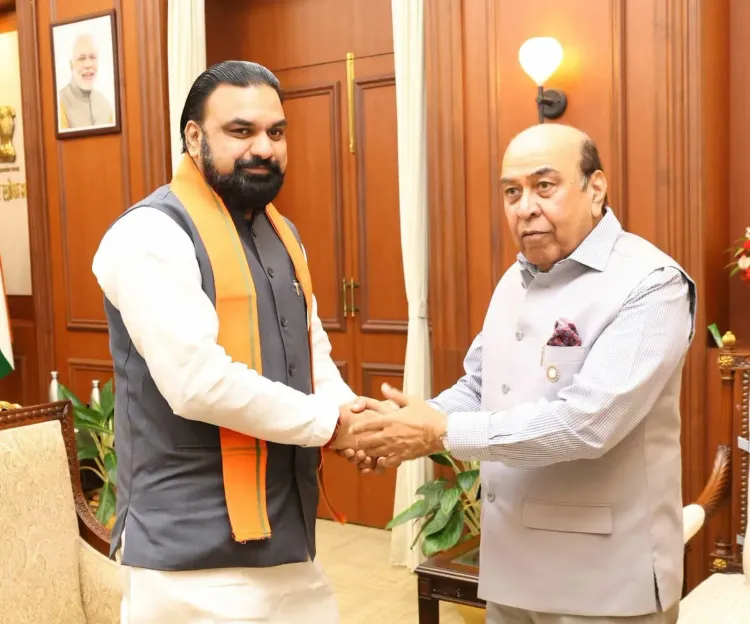
CM Samrat Choudhary calls on Bihar Governor at Lok Bhawan
Synopsis
Bihar Chief Minister Samrat Choudhary paid a courtesy call on Governor Syed Ata Hasnain at Lok Bhawan in Patna on 4 November 2026, fulfilling constitutional protocol that keeps the state's two top offices in regular communication.
Key Takeaways
Bihar Chief Minister Samrat Choudhary met Governor Syed Ata Hasnain at Lok Bhawan, Patna on 4 November 2026 .
The meeting was described as a shishtachar mulakat — a formal courtesy call under standard constitutional protocol.
India's Articles 153–167 of the Constitution govern the relationship between a Chief Minister and the Governor of a state.
Governor Syed Ata Hasnain is a retired Indian Army Lieutenant General serving as Bihar's constitutional head.
No formal agenda or outcome statement was released by either the CMO or Raj Bhavan following the meeting.
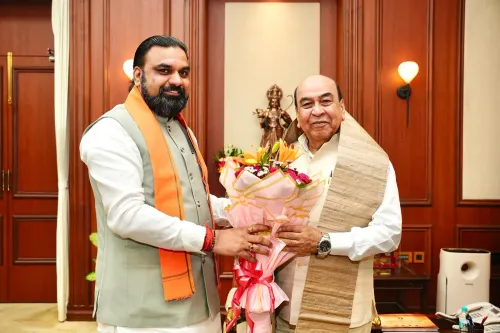
A routine yet constitutionally significant moment unfolded at Patna's Lok Bhawan on Wednesday, 4 November 2026, as Bihar Chief Minister Samrat Choudhary paid a courtesy call on Governor Syed Ata Hasnain — the kind of face-to-face that keeps the wheels of federal governance turning quietly but purposefully.
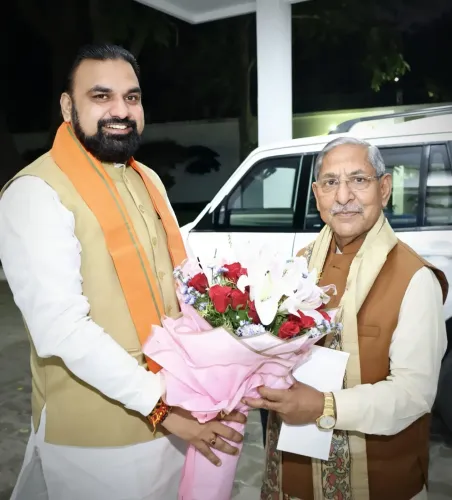
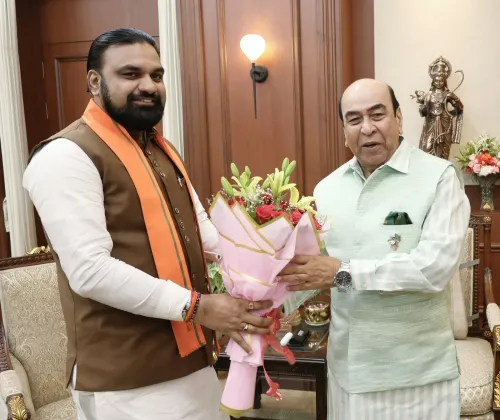
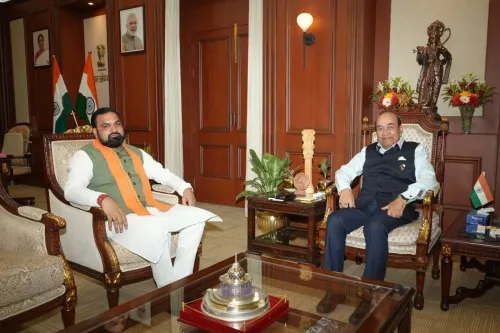
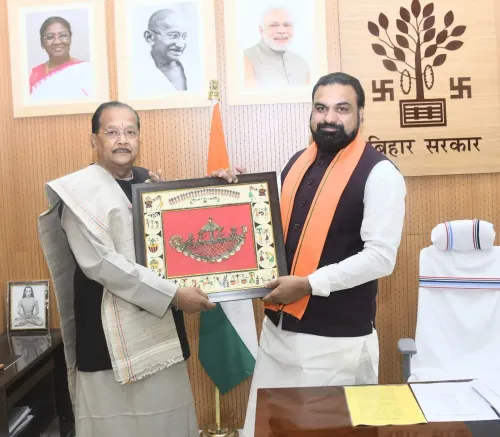
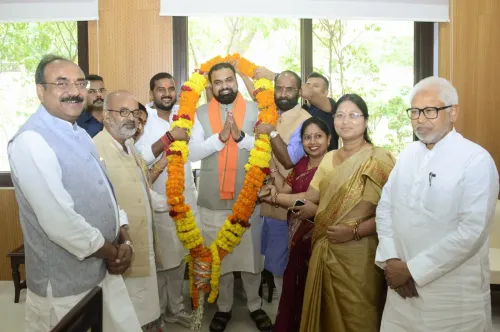
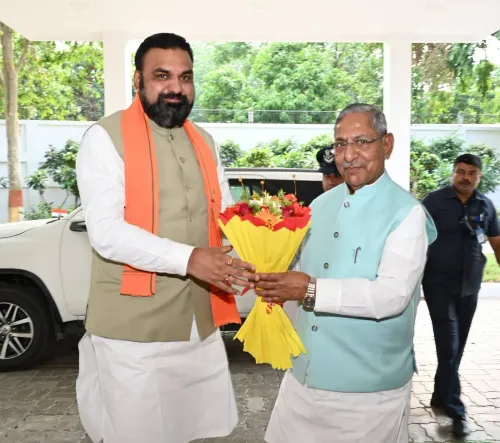
Posting on X in Hindi, Chief Minister Choudhary wrote: 'Lok Bhawan mein maanniya Rajyapal Shri Sayed Ata Hasnain ji se shishtachar mulakat hui' — 'A courtesy meeting took place with the honourable Governor Shri Syed Ata Hasnain at Lok Bhawan.' Two photographs accompanied the post, showing the two officials in conversation at the Chief Minister's official complex.
What a courtesy call actually means in Bihar's constitutional setup
India's federal architecture, governed by Articles 153–167 of the Constitution, assigns the Governor a central role as the constitutional head of a state — the bridge between the elected executive and the Centre. Chief Ministers are expected to keep the Governor informed on state affairs, and periodic courtesy meetings are the standard mechanism for that exchange. They carry no specific legislative or executive outcome by themselves, but they signal a functioning, communicative relationship between the two constitutional offices.
Lok Bhawan, the seat of Bihar's Chief Ministerial office and secretariat in Patna, is where such interactions routinely take place. Governor Syed Ata Hasnain is a retired Indian Army Lieutenant General who has held prominent public roles beyond his military career. His appointment to Raj Bhavan represents the Centre's choice of a figure with a distinguished service record to oversee one of India's most populous and politically consequential states.
Bihar's CM and Raj Bhavan: a relationship under the constitutional spotlight
Samrat Choudhary, a senior BJP leader, has led the Bihar government through a period of active administrative and infrastructure focus. Regular interactions with the Governor form part of the institutional rhythm — particularly relevant in a state like Bihar, which has historically seen the Governor-CM dynamic attract public attention during political transitions or legislative sessions.
No formal statement emerged from either the Chief Minister's Office or Raj Bhavan detailing the agenda of Wednesday's meeting. That, in itself, is consistent with the nature of a shishtachar — a courtesy call, not a press conference.
The conversation happened. The protocol was observed. In constitutional governance, sometimes that is precisely the point.
Point of View
Maintaining a visible and cordial relationship with Raj Bhavan is prudent governance signalling, particularly in a state where the Governor-CM dynamic has historically been scrutinised. The meeting also reflects the broader BJP-led government's interest in projecting institutional normalcy and stability in Bihar ahead of any potential legislative or administrative milestones. That the CM publicly posted about it — with photographs — suggests a deliberate effort to underscore the cooperative functioning of the state's constitutional machinery.
NationPress
4 Nov 2026
Frequently Asked Questions
Why did Bihar CM Samrat Choudhary meet Governor Syed Ata Hasnain?
The meeting was a shishtachar mulakat — a formal courtesy call that is standard constitutional protocol in India's federal structure, allowing the Chief Minister to maintain regular communication with the state's constitutional head.
Where did the meeting between CM Samrat Choudhary and Governor Hasnain take place?
The meeting took place at Lok Bhawan in Patna , the official complex that houses the Bihar Chief Minister's office and secretariat.
Who is Syed Ata Hasnain, Bihar's Governor?
Syed Ata Hasnain is a retired Indian Army Lieutenant General who has held prominent public roles and serves as the constitutional Governor of Bihar.
What is the constitutional basis for a Chief Minister meeting the Governor?
Articles 153–167 of the Indian Constitution define the roles and relationship of the Governor and the Chief Minister, requiring the CM to keep the Governor informed on state affairs.
Was any policy decision announced after the CM-Governor meeting in Bihar?
No formal statement or policy announcement was made by either the Chief Minister's Office or Raj Bhavan following the courtesy call on 4 November 2026 .