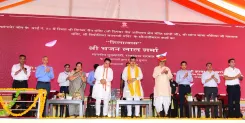
CM Samrat Choudhary clears Rs 76.48 cr Chhapra sewerage project
Synopsis
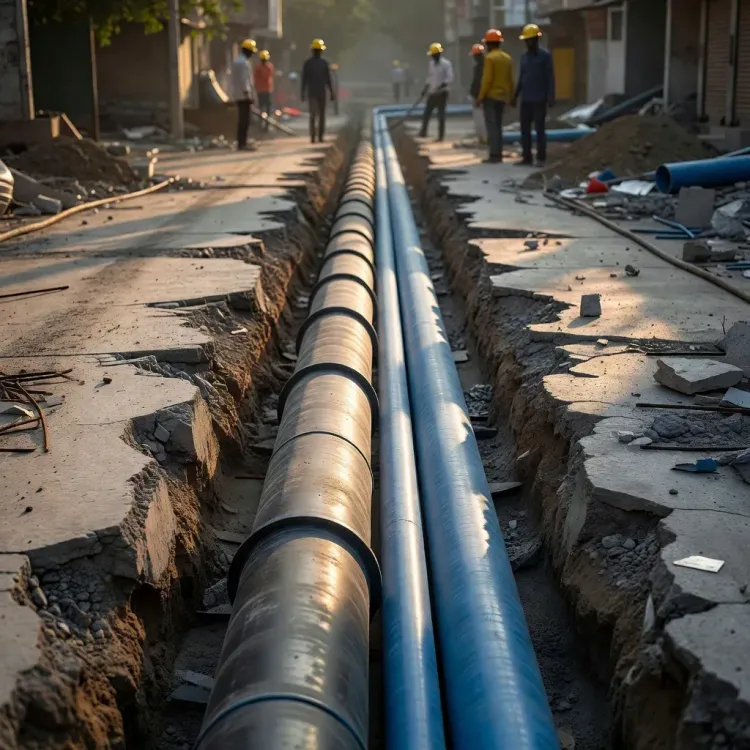
Bihar Chief Minister Samrat Choudhary has granted administrative approval of Rs 76.48 crore for a sewerage network project in Chhapra under AMRUT 2.0. The project aims to strengthen urban sanitation, promote cleanliness, and improve civic amenities for residents of the Saran district headquarters.
Key Takeaways
Rs 76.48 crore has been administratively approved for the Chhapra Sewerage Network Project under AMRUT 2.0 .
The announcement was made by Bihar Chief Minister Samrat Choudhary on 24 June 2026 .
AMRUT 2.0 was approved by the Union Cabinet in October 2021 to ensure universal sewerage and septage coverage in all statutory towns.
The project is expected to improve sewerage management, sanitation, and urban amenities for residents of Chhapra , headquarters of Saran district .
The initiative aligns with both AMRUT 2.0 and the Swachh Bharat Mission (Urban) Phase 2 , which emphasises wastewater treatment.
The Bihar Urban Development Department is expected to release tender documents and an implementation timeline in the coming weeks.
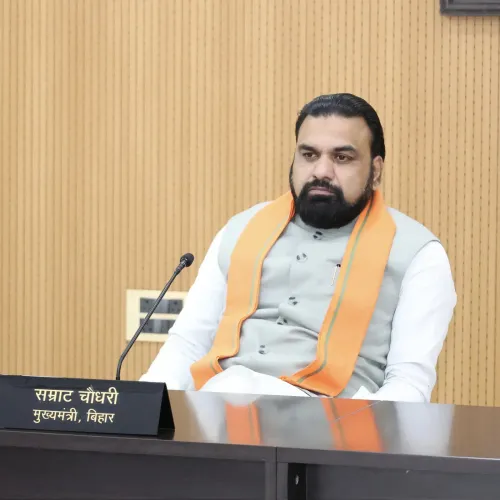
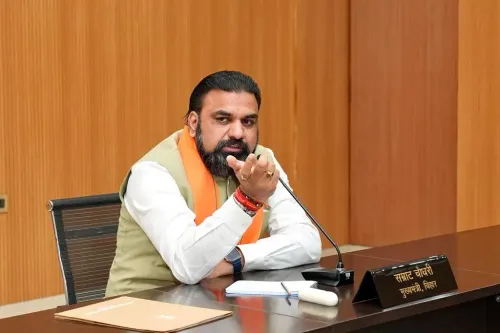
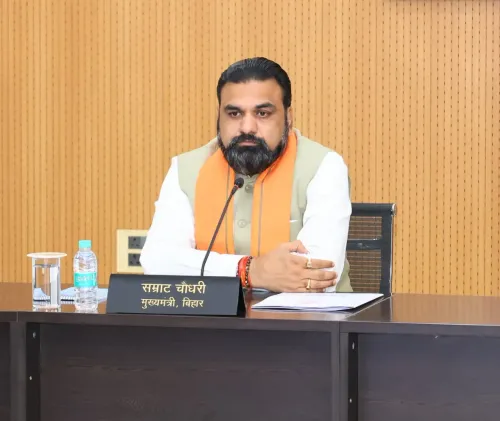
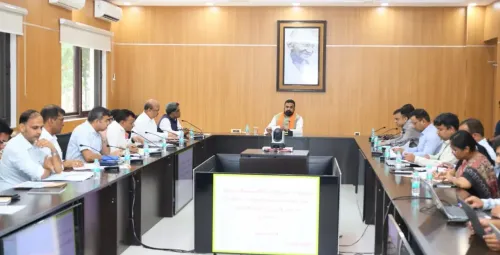
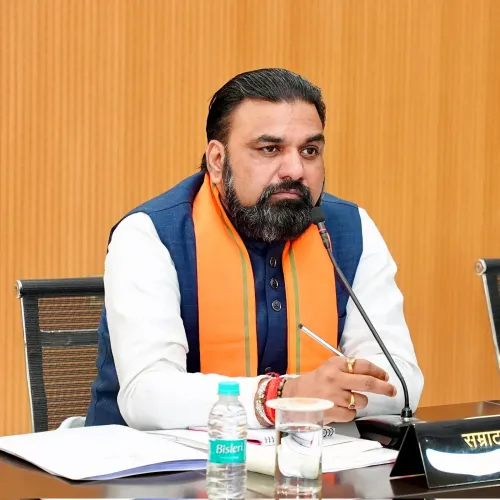
Bihar Chief Minister Samrat Choudhary on Wednesday, 24 June 2026, announced administrative approval of Rs 76.48 crore for a sewerage network project in Chhapra under the Atal Mission for Rejuvenation and Urban Transformation (AMRUT) 2.0 scheme, marking a significant step toward strengthening urban sanitation infrastructure in the district headquarters of Saran.
Posting on X, the Chief Minister stated: 'बिहार में अमृत 2.0 योजना के अंतर्गत छपरा सीवरेज नेटवर्क परियोजना के लिए ₹76.48 करोड़ की प्रशासनिक स्वीकृति प्रदान की गई है' — [Under the AMRUT 2.0 scheme in Bihar, administrative approval of Rs 76.48 crore has been granted for the Chhapra sewerage network project.] He added that the project would strengthen sewerage management, promote cleanliness, and provide better urban amenities to residents of Chhapra.
Context
Chhapra, the administrative headquarters of Saran district in Bihar, has long faced challenges in urban sanitation and wastewater management. Like many Tier-2 and Tier-3 cities across the state, it has historically lacked a comprehensive sewerage network, placing pressure on public health and local water bodies. This approval signals a targeted allocation to close that infrastructure gap.
The announcement aligns with Bihar's broader push to extend civic amenities beyond the state capital Patna to district-level urban centres. CM Samrat Choudhary has positioned urban infrastructure as a priority under his administration, using central scheme frameworks to mobilise funding at scale.
Policy Backdrop
The AMRUT scheme was first launched in June 2015 to improve urban infrastructure — including water supply and sewerage — across 500 cities. Its successor, AMRUT 2.0, was approved by the Union Cabinet in October 2021 with an enhanced mandate for universal sewerage and septage coverage in all statutory towns.
The Chhapra project also dovetails with the Swachh Bharat Mission (Urban), which was launched in 2014 and extended through a second phase from 2021, emphasising wastewater treatment and open-defecation-free urban environments. Together, these two national frameworks form the policy spine for the state's urban sanitation drive.
Bihar has progressively scaled up its utilisation of both missions to address persistent gaps in sanitation infrastructure, particularly in district towns where coverage has lagged behind state-capital-level investment.
Stakeholders and Impact
The primary beneficiaries of the Rs 76.48 crore project are the residents of Chhapra city, who stand to gain access to a functional sewerage network that reduces dependence on open drains and septic systems. Improved wastewater management directly reduces the risk of waterborne disease and environmental contamination of local water sources.
The Chhapra municipal body and the Bihar Urban Development Department are the key implementing agencies. Once tendering is complete and construction begins, local contractors and workers are also expected to benefit from project-related employment. The Ministry of Housing and Urban Affairs at the Centre retains oversight through utilisation certificates and progress reports.
What's Next
Administrative approval is the first formal step in the project cycle; the Bihar Urban Development Department is expected to release detailed tender documents and a project implementation timeline in the coming weeks. Physical progress will be tracked through periodic reports submitted to both state and central authorities.
Successful execution of the Chhapra sewerage project could serve as a template for similar interventions in other district headquarters across Bihar, reinforcing the state government's stated goal of equitable urban development under the 'Samridh Bihar' [Prosperous Bihar] vision.
Point of View
Such announcements carry both developmental and political weight, reinforcing the BJP's governance narrative ahead of any future electoral cycle in a state where basic urban amenities remain a live public concern. The move also signals Bihar's improving capacity to absorb and deploy central urban mission funds, a metric closely watched by the Ministry of Housing and Urban Affairs. Sustained execution, rather than approval alone, will determine whether the project meaningfully shifts sanitation outcomes in Saran district.
NationPress
24 Jun 2026
Frequently Asked Questions
What is the Chhapra sewerage network project approved by Bihar CM?
Bihar Chief Minister Samrat Choudhary has granted administrative approval of Rs 76.48 crore for a sewerage network project in Chhapra under the AMRUT 2.0 scheme, aimed at strengthening urban sanitation and providing better civic amenities to residents.
What is AMRUT 2.0 and how does it apply to Bihar?
AMRUT 2.0 — the Atal Mission for Rejuvenation and Urban Transformation 2.0 — was approved by the Union Cabinet in October 2021 to ensure universal water supply, sewerage, and septage coverage in all statutory towns. Bihar uses the scheme to fund urban infrastructure projects in cities including Chhapra.
Who will benefit from the Chhapra sewerage project?
Residents of Chhapra city, the headquarters of Saran district in Bihar, are the primary beneficiaries. The project is expected to reduce dependence on open drains, lower the risk of waterborne disease, and improve overall urban living conditions.
What is the connection between the Chhapra project and Swachh Bharat Mission?
The Chhapra sewerage project aligns with the Swachh Bharat Mission (Urban) Phase 2, launched in 2021, which emphasises wastewater treatment and the creation of open-defecation-free urban environments across India.
What are the next steps after administrative approval for the Chhapra sewerage project?
Following administrative approval, the Bihar Urban Development Department is expected to release detailed tender documents and a project implementation timeline. Progress will be monitored through utilisation certificates submitted to the Ministry of Housing and Urban Affairs.