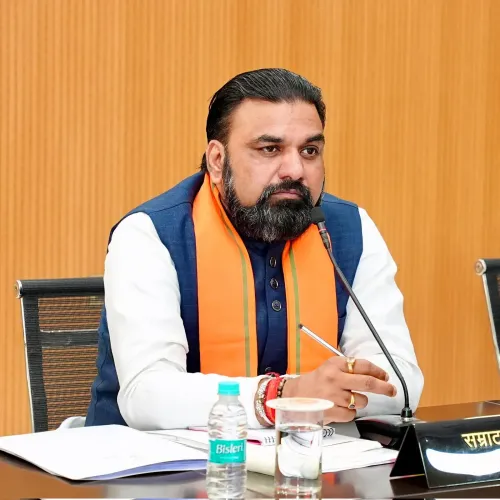
CM Samrat Choudhary flags Amit Shah's Yamuna revival push in Delhi
Synopsis
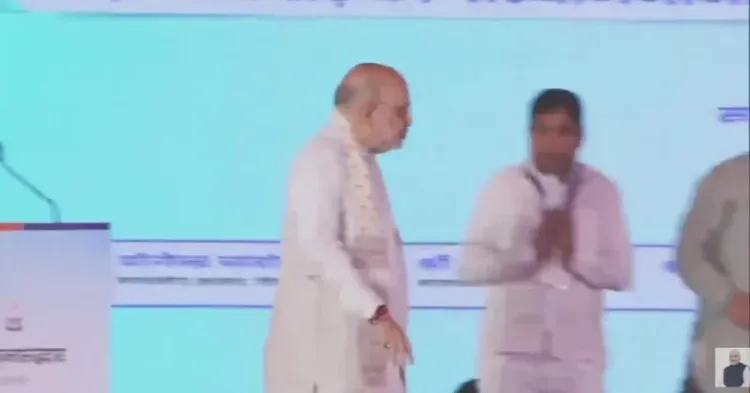
Union Minister Amit Shah inaugurated and laid foundation stones for Yamuna river revival projects in Delhi on 22 October 2026. Bihar CM Samrat Choudhary amplified the live event, underlining the BJP's political focus on river rejuvenation more than three decades after the first Yamuna Action Plan.
Key Takeaways
Union Home Minister Amit Shah inaugurated and laid foundation stones for multiple Yamuna revival projects in Delhi on 22 October 2026 .
Bihar Chief Minister Samrat Choudhary shared the live broadcast of the ceremony on X, drawing wider attention to the event.
The Yamuna Action Plan , India's first structured Yamuna clean-up initiative, was launched in 1993 with Japanese assistance — over 33 years of successive efforts precede this latest push.
The Yamuna is the Ganga's largest tributary and its Delhi stretch is among the most polluted in South Asia, making revival announcements both politically and environmentally consequential.
Coordination with upstream states Haryana and Uttar Pradesh will be critical to the success of any new projects, as inter-state pollution loads have historically undermined Delhi-centric interventions.
The Yamuna — Delhi's most-watched and most-battered river — moved to the centre of national attention on Thursday, 22 October 2026, as Union Home and Cooperation Minister Amit Shah inaugurated and laid foundation stones for multiple projects aimed at reviving it. Bihar Chief Minister Samrat Choudhary shared the live broadcast of the ceremony on X, signalling the BJP's broader political investment in river-rejuvenation as a governance showcase.
Choudhary's post, shared during the live event, described the occasion as Union Minister Shah inaugurating and performing the shilaayas (foundation stone-laying) of 'Yamuna nadi ke punarruddhar se judi vibhinn pariyojanaon' — various projects linked to the revival of the Yamuna river — in Delhi.
A river with a long, troubled history of clean-up promises
The Yamuna's pollution crisis is not new. The Yamuna Action Plan, launched in 1993 with Japanese financial assistance, was India's first structured attempt to reduce industrial and domestic discharge into the river. More than three decades and several plan phases later, the Yamuna flowing through Delhi remains among the most polluted stretches of any major river in South Asia — a fact that has made every fresh revival announcement both politically potent and scrutiny-heavy.
Successive central governments have pursued river-rejuvenation as a flagship environmental agenda, most visibly through the Namami Gange programme for the main Ganga channel. The Yamuna, as the Ganga's largest tributary, sits directly within that policy orbit, with the Union government funding sewage treatment infrastructure, riverfront development, and inter-state coordination mechanisms.
Why a Home Minister is leading an environment event
It is notable that the inaugurations were led by Amit Shah, whose primary portfolios are Home Affairs and Cooperation — not environment or Jal Shakti. Such cross-portfolio ceremonies are a regular feature of central governance, particularly for high-visibility urban infrastructure in the national capital, where the political dividend of progress on Yamuna cleanup is enormous for the ruling coalition ahead of any electoral cycle.
The specific project names, costs, and completion timelines have not been independently confirmed. What to watch next: the rollout schedule for each announced project, the funding tranches tied to them, and whether downstream states — Haryana and Uttar Pradesh, both key contributors to Yamuna pollution loads — announce coordinated action. River revival works only if the entire basin moves together. That coordination test is where Delhi's Yamuna promises have historically faltered.
Point of View
Few have delivered sustained results, making each fresh ceremony as much a statement of intent as a policy milestone. The BJP's decision to deploy a high-profile minister like Amit Shah for the inauguration rather than the Jal Shakti or Environment minister signals that this event is being treated as a political flagship, not a technical handover. Bihar CM Samrat Choudhary's amplification of the event extends the political messaging beyond Delhi, reinforcing a pan-BJP narrative of environmental stewardship ahead of future electoral cycles. The real test — as it has always been — will be whether project timelines, funding flows, and inter-state coordination hold once the inauguration spotlight fades.
NationPress
22 Oct 2026
Frequently Asked Questions
What projects did Amit Shah inaugurate for the Yamuna river in Delhi?
On 22 October 2026 , Union Minister Amit Shah inaugurated and laid foundation stones for several projects aimed at reviving the Yamuna river in Delhi. The specific names and costs of individual projects have not been officially confirmed in detail at this stage.
What is the history of the Yamuna Action Plan?
The Yamuna Action Plan was launched in 1993 with financial and technical assistance from Japan. It was India's first large-scale, structured initiative to reduce pollution in the Yamuna, focusing on sewage treatment and industrial discharge. Multiple phases have followed over more than three decades.
Why is the Yamuna river so polluted in Delhi?
The Yamuna accumulates heavy industrial effluent, untreated sewage, and agricultural runoff from upstream states like Haryana and Uttar Pradesh before flowing through Delhi . The capital itself adds significant domestic and industrial waste, making its stretch of the river one of the most polluted in South Asia.
Why did Bihar CM Samrat Choudhary post about a Delhi event?
Bihar Chief Minister Samrat Choudhary is a senior BJP leader. Sharing live events featuring central BJP ministers — especially on high-visibility national issues like river revival — is consistent with the party's coordinated political communication across state and central leadership.
What will determine the success of the new Yamuna revival projects?
Experts and policy watchers point to three factors: timely release of project funding, adherence to construction and commissioning timelines, and — most critically — coordinated action from Haryana and Uttar Pradesh , which contribute significant pollution loads to the river before it enters Delhi.