CM Samrat Choudhary hails PM Modi at Delhi Bhajan Clubbing event
Synopsis
Bihar CM Samrat Choudhary lauded PM Modi's participation in Delhi's 'Bhajan Clubbing' event on September 25, 2026, calling it a powerful symbol of youth embracing Indian spiritual and cultural heritage in a modern format.
Key Takeaways
Bihar Chief Minister Samrat Choudhary praised PM Narendra Modi 's participation in the ' Bhajan Clubbing ' cultural event held in Delhi .
The event blended traditional devotional bhajans with a contemporary, youth-oriented format.
Choudhary described it as an 'extraordinary confluence' of devotion, culture, and youth energy.
The statement reflects BJP 's consistent strategy of repackaging Indian cultural traditions for younger demographics.
PM Modi's direct participation elevated the event beyond a niche experiment into a visible government cultural statement.
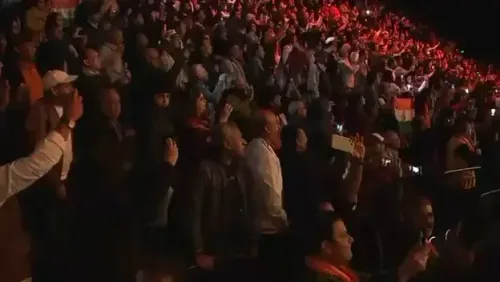
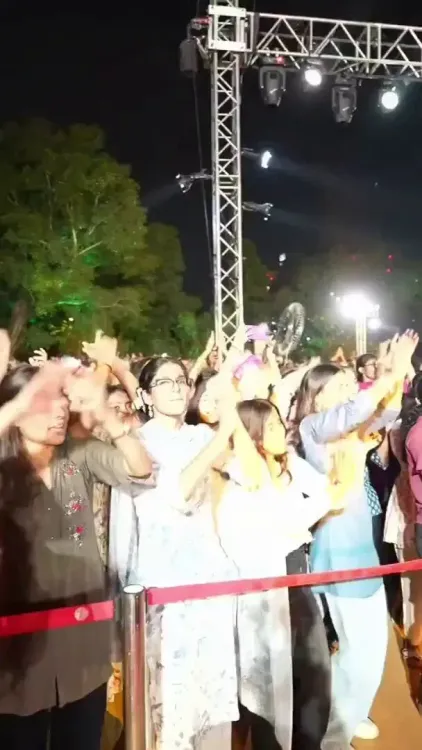
When devotional music meets a clubbing format, something unexpected happens — young Indians start showing up. Bihar Chief Minister Samrat Choudhary on Friday, September 25, 2026, praised Prime Minister Narendra Modi's participation in 'Bhajan Clubbing', a cultural event held in Delhi that blended traditional devotional singing with a contemporary, youth-friendly setting.
Choudhary described the occasion as an 'अद्भुत संगम' ('extraordinary confluence') of devotion, culture, and youth energy. In his post, he wrote that Modi's presence at the event 'gave new energy to the growing connection of youth towards Indian culture and spiritual heritage.' The Chief Minister framed it as a 'powerful picture of a new India that assimilates cultural values alongside modernity.'
Bhajans on the dancefloor: what the format signals
The 'Bhajan Clubbing' concept is precisely what it sounds like — devotional bhajans presented in a high-energy, modern format designed to pull in younger audiences who might otherwise tune out traditional religious gatherings. It is a deliberate creative bridge: the spiritual content of classical bhajan culture dropped into the aesthetic vocabulary of contemporary urban youth spaces.
The Prime Minister's direct participation — rather than a ceremonial video message — amplifies the signal. When the country's top elected leader walks into a cultural fusion event, it stops being a fringe experiment and becomes a statement about where the government believes national identity should travel next.
BJP's recurring cultural playbook for young India
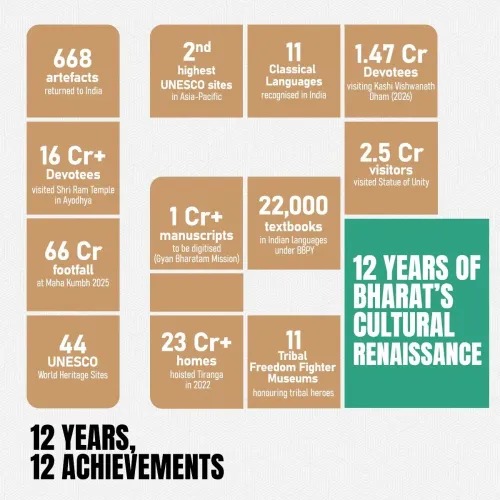
BJP leaders have consistently worked to repackage India's devotional and classical traditions in formats that resonate with younger, urban demographics. From yoga on international stages to classical dance showcases at state summits, the pattern is deliberate: present ancient heritage as aspirational and modern, not archaic. Samrat Choudhary's statement fits squarely into that playbook, amplifying the Delhi event's message to Bihar's considerable youth population.
Whether similar events are planned at the state level in Bihar — or whether this becomes a template for BJP's cultural outreach ahead of upcoming electoral cycles — is the live question this moment opens.
Devotion with a beat may be a new format, but the ambition behind it — making Indian cultural identity feel urgent and cool to the next generation — has been a long-running project. Events like this are how that project tests its pulse.
Point of View
The messaging upgrades what could have been a minor cultural event into a marker of state-endorsed identity politics. The fusion format itself is politically significant: it attempts to neutralise the perception that traditional devotion is incompatible with modern youth lifestyles. Watch whether Bihar replicates this template ahead of assembly-season outreach programmes.
NationPress
26 Sept 2026
Frequently Asked Questions
What is Bhajan Clubbing?
'Bhajan Clubbing' is a cultural event concept that presents traditional Indian devotional bhajans in a modern, high-energy format designed to attract younger audiences, blending spiritual content with contemporary aesthetics.
Why did PM Modi attend the Bhajan Clubbing event in Delhi?
PM Modi participated in the Delhi 'Bhajan Clubbing' event as part of broader efforts to connect Indian youth with the country's spiritual and cultural heritage through modern formats.
What did Bihar CM Samrat Choudhary say about Bhajan Clubbing?
Samrat Choudhary described the event as an extraordinary confluence of devotion, culture, and youth energy, saying PM Modi's participation gave new energy to young Indians' connection with Indian culture and spiritual heritage.
Is BJP using cultural events to reach young voters?
Yes, BJP leaders have consistently used culture-focused events — from international yoga days to devotional music formats — as part of a broader strategy to make Indian heritage aspirational and relatable to younger demographics.
Where was the Bhajan Clubbing event held?
The Bhajan Clubbing event was held in Delhi , the national capital of India.