CM Samrat Choudhary Highlights Eco-Tourism Push in Bihar
Synopsis
Bihar Chief Minister Samrat Choudhary on June 28, 2026, shared images on X highlighting the state's eco-tourism and rural development efforts, reinforcing the NDA government's #TransformingBihar narrative and signalling a policy push to diversify Bihar's tourism economy.
Key Takeaways
Bihar Chief Minister Samrat Choudhary posted on X on June 28, 2026 spotlighting eco-tourism and rural development in the state.
The post carried hashtags #EcoTourism , #RuralDevelopment , and #TransformingBihar , accompanied by four images .
Bihar's eco-tourism assets include the Valmiki Tiger Reserve , Rajgir Hills , and the Vikramshila Gangetic Dolphin Sanctuary .
Central schemes such as Swadesh Darshan and PRASHAD have previously channelled funds into Bihar's tourism infrastructure.
Priority districts for nature tourism development include West Champaran, East Champaran, Jamui, and Nawada .
The post signals potential upcoming announcements from the Bihar Tourism Development Corporation or state cabinet.
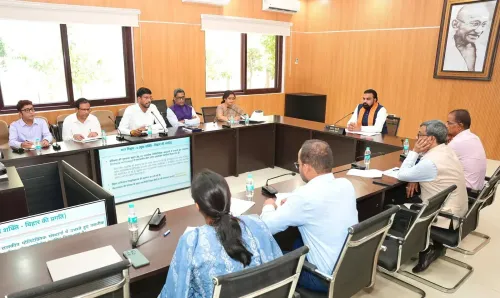
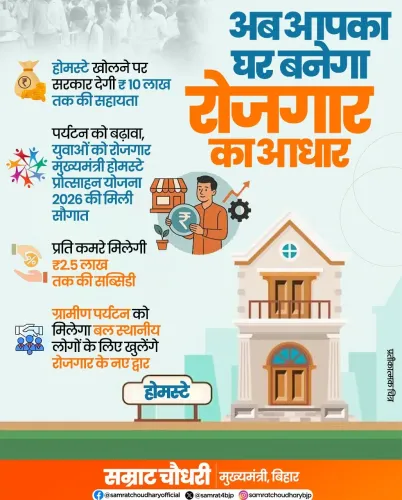
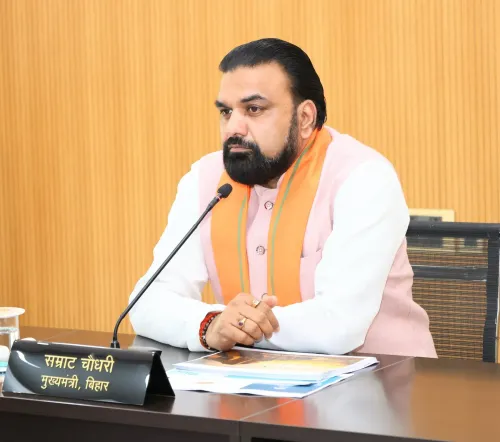
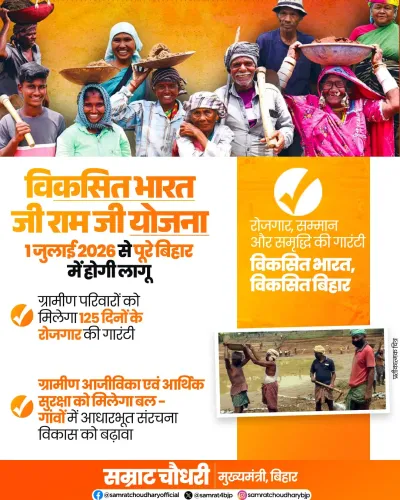
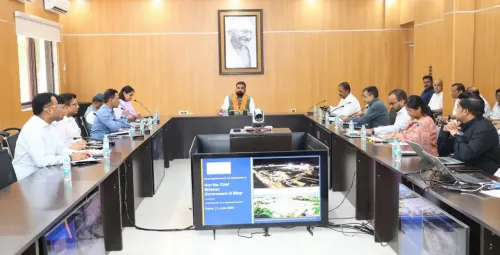
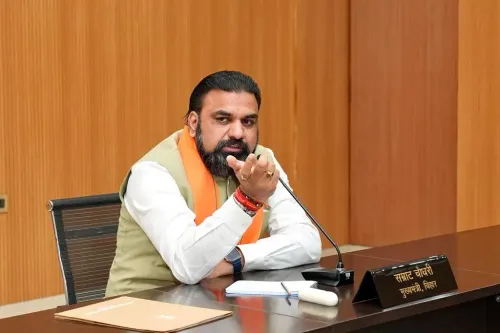
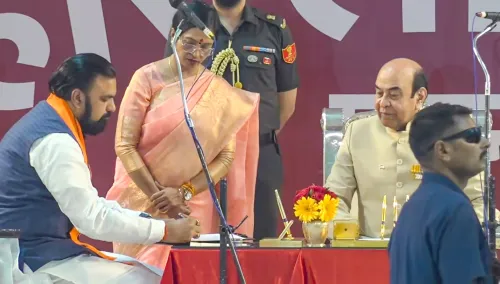
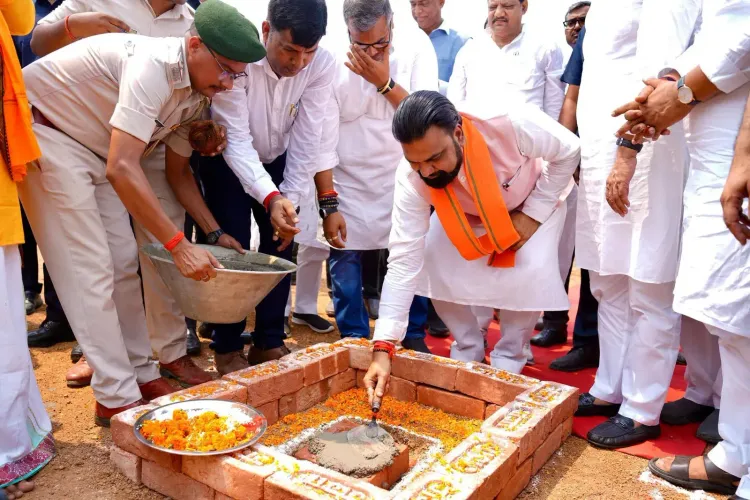
Bihar Chief Minister Samrat Choudhary on Sunday, June 28, 2026, shared a post on X spotlighting the state government's efforts around eco-tourism and rural development, using the hashtags #EcoTourism, #RuralDevelopment, and #TransformingBihar, accompanied by four images depicting what appear to be nature-based tourism sites or rural landscapes in the state.
Context
The post, brief in text but visually anchored, signals the Nitish Kumar-led NDA government's continued push — with Samrat Choudhary as Chief Minister — to position Bihar as a destination for eco-tourism alongside its more established circuits of religious and heritage tourism. Bihar is home to significant natural and cultural assets, including the Valmiki Tiger Reserve, the Rajgir Hills, and the Vikramshila Gangetic Dolphin Sanctuary, all of which have been identified in state tourism plans as anchors for nature-based travel.
The use of the #TransformingBihar tag is consistent with the ruling alliance's broader communication strategy, framing infrastructure and livelihood initiatives under a single development narrative ahead of future electoral cycles.
Policy Backdrop
Bihar's tourism department has in recent years sought to diversify beyond the Buddhist circuit — centred on Bodh Gaya, Nalanda, and Rajgir — by developing eco-tourism clusters that can generate income for rural communities. Central schemes such as the Swadesh Darshan programme and the PRASHAD scheme have channelled funds into Bihar's tourism infrastructure, though the state has historically lagged behind peers in tourist footfall and hospitality capacity.
Rural development linkages to eco-tourism — such as homestay networks, local guide training, and forest-fringe livelihood programmes — have been part of state policy discussions, with district administrations in West Champaran, East Champaran, Jamui, and Nawada identified as priority zones for nature tourism development.
Stakeholders and Impact
If eco-tourism clusters are scaled, the primary beneficiaries would be rural households in forest-adjacent and riverine districts, particularly scheduled tribe communities and Other Backward Classes who form the demographic backbone of Bihar's rural economy. Small entrepreneurs in the hospitality and transport sectors in these regions also stand to gain from increased tourist inflows.
For the state government, a credible eco-tourism push carries both economic and political value — diversifying Bihar's revenue base while demonstrating governance delivery in regions that have historically seen limited state investment in livelihoods.
What's Next
The Chief Minister's post, while not announcing a specific scheme or allocation, is likely to be followed by departmental activity or on-ground visits given the visual nature of the content shared. Observers will watch for formal policy announcements from the Bihar Tourism Development Corporation or the state cabinet that translate this signalling into funded programmes. The coming months, ahead of the monsoon season when several eco-tourism sites become accessible, may see the government accelerate ground-level implementation to demonstrate tangible progress under the #TransformingBihar agenda.
Point of View
Building a visual record of development intent ahead of electoral cycles. Bihar's tourism sector remains underdeveloped relative to its natural and cultural endowments, making the signalling politically low-risk but only meaningful if backed by budgetary commitment. The linkage of eco-tourism to rural development is strategically astute — it connects aspirational tourism policy to the bread-and-butter livelihood concerns of Bihar's predominantly rural electorate. Whether this translates into measurable outcomes will depend on departmental follow-through and central government co-funding under existing schemes.
NationPress
28 Jun 2026
Frequently Asked Questions
What did Bihar CM Samrat Choudhary post about eco-tourism?
Bihar Chief Minister Samrat Choudhary posted on X on June 28, 2026, sharing four images related to eco-tourism and rural development in Bihar under the hashtags #EcoTourism, #RuralDevelopment, and #TransformingBihar.
What are Bihar's main eco-tourism destinations?
Bihar's key eco-tourism sites include the Valmiki Tiger Reserve in West Champaran, the Rajgir Hills, and the Vikramshila Gangetic Dolphin Sanctuary, all identified in state tourism plans as nature-based travel anchors.
Which central government schemes fund tourism in Bihar?
Central schemes including Swadesh Darshan and PRASHAD have channelled funds into Bihar's tourism infrastructure, supporting both religious circuits and emerging eco-tourism clusters.
How does eco-tourism help rural development in Bihar?
Eco-tourism can generate rural income through homestay networks, local guide employment, and forest-fringe livelihood programmes, with districts like West Champaran, Jamui, and Nawada identified as priority zones.
Who is Samrat Choudhary and what is his role in Bihar?
Samrat Choudhary is the Chief Minister of Bihar and a senior BJP leader, serving within the NDA alliance government led in partnership with Chief Minister Nitish Kumar's JD(U).