CM Samrat Choudhary Highlights Patna Metro Progress
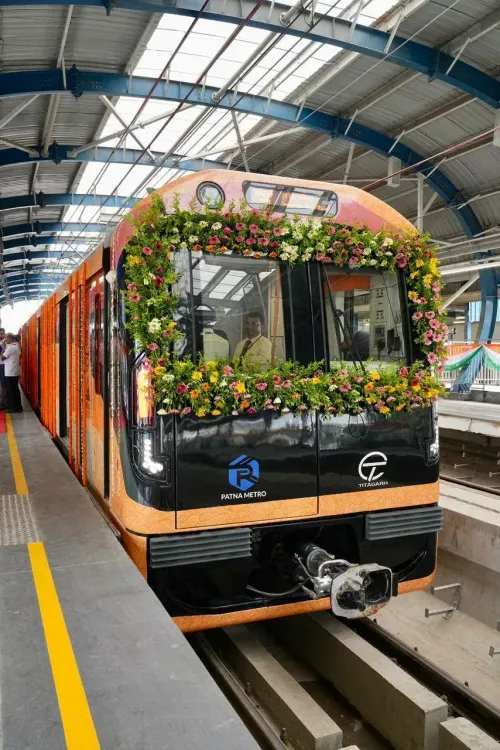
Synopsis
Bihar Chief Minister Samrat Choudhary spotlighted the Patna Metro project on 2 July 2026, sharing images of the urban rail initiative aimed at easing the state capital's growing mobility challenges and advancing Bihar's infrastructure agenda.
Key Takeaways
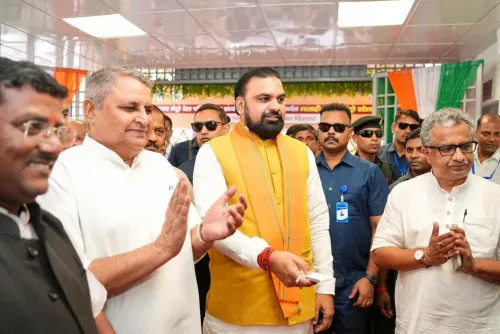
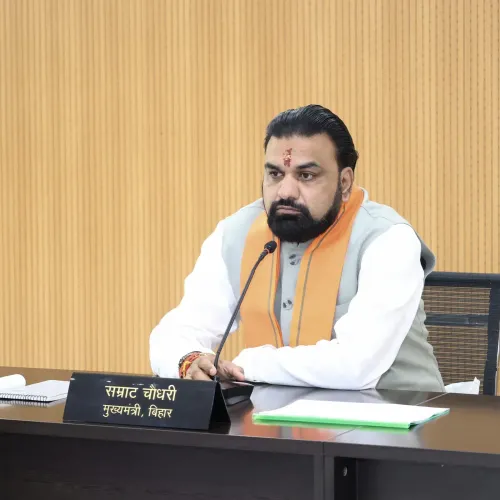
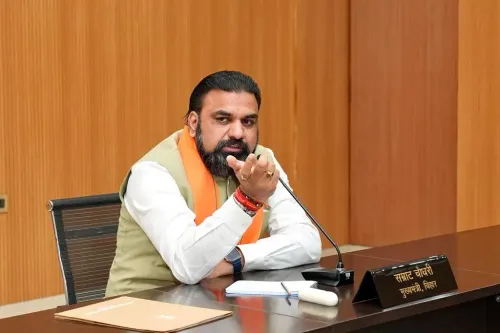
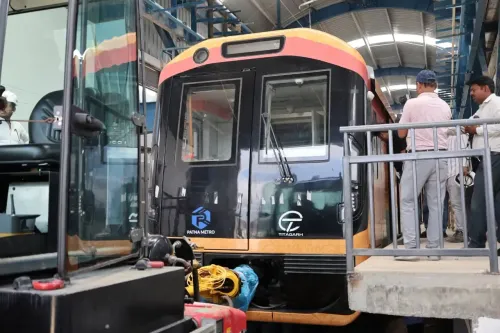
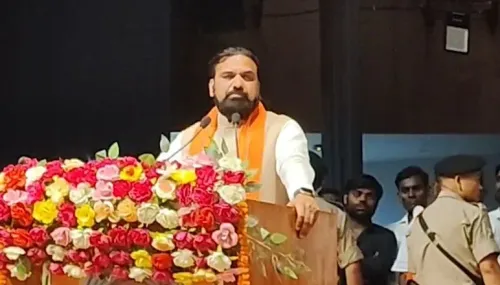
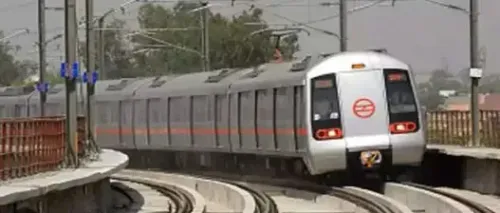
Bihar Chief Minister Samrat Choudhary posted about Patna Metro on 2 July 2026 , sharing three images related to the project.
The Patna Metro is an urban rail transit project designed to address growing mobility and congestion challenges in Patna , Bihar's capital city.
The project received in-principle approval from the central government as part of India's push to expand metro networks to tier-2 cities.
Urban infrastructure programmes such as AMRUT have provided the policy and funding framework for metro expansion to state capitals like Patna.
Key milestones to watch include land acquisition , civil works contracts, and partial commissioning timelines for metro corridors.
The project's primary beneficiaries are Patna's urban commuters , who currently rely on road-based transport for daily movement.
Bihar Chief Minister Samrat Choudhary on Thursday, 2 July 2026, drew attention to the Patna Metro project, sharing images related to the urban rail transit initiative planned for the state capital.
Context
Patna, the capital of Bihar, has long grappled with growing urban mobility challenges as its population and vehicular density have increased. The Patna Metro project was conceived to provide a reliable, high-capacity public transport alternative to the city's congested road network. Chief Minister Choudhary's post, accompanied by three images, signals continued political attention to the project's forward momentum.
Policy Backdrop
The Patna Metro received in-principle approval from the central government as part of India's broader push to extend metro rail connectivity to tier-2 cities and state capitals. This effort sits within the framework of urban infrastructure programmes such as AMRUT (Atal Mission for Rejuvenation and Urban Transformation), which has channelled funding and technical support toward multi-modal urban transport systems across the country. India has progressively expanded its metro network from major metros to smaller cities, recognising rail transit as a lever for reducing road congestion and stimulating local economic activity.
Bihar's infrastructure development has been a consistent political priority for the BJP-led state government, with Chief Minister Choudhary positioning connectivity upgrades as central to the state's growth narrative. The Patna Metro represents one of the most significant urban infrastructure bets in the state's recent history.
Stakeholders and Impact
The primary beneficiaries of the Patna Metro will be urban commuters and Patna residents, who currently depend heavily on autorickshaws, buses, and private vehicles for daily movement. A functional metro system is expected to reduce travel times, cut vehicular emissions, and improve access to employment and commercial hubs across the city. Broader economic stakeholders — including contractors, real-estate developers near proposed corridors, and small businesses — also stand to gain from the project's execution.
For the state government, timely delivery of the Patna Metro carries political significance ahead of future electoral cycles, making visible progress on civil works and commissioning timelines a key benchmark.
What's Next
Observers will watch closely for updates on land acquisition, civil works contract awards, and any announcements regarding partial commissioning of Patna Metro corridors. The pace of construction and central-state coordination on funding disbursements will determine whether the project meets its projected timelines. Chief Minister Choudhary's continued public engagement with the project suggests the state government intends to keep the metro's progress in the public eye as a marker of developmental delivery.
Point of View
And Bihar — long characterised as infrastructure-deficient — is particularly sensitive to such optics. The post fits into a broader pattern of state governments using digital platforms to signal project momentum even before major commissioning milestones are reached. Whether the Patna Metro can translate political messaging into on-ground delivery on schedule will be the real test of this infrastructure bet.
NationPress
2 Jul 2026
Frequently Asked Questions
What is the Patna Metro project?
The Patna Metro is an urban rail transit project planned for Patna, the capital of Bihar, designed to provide high-capacity public transport and ease road congestion in the growing city. It received in-principle approval from the central government as part of India's metro expansion to tier-2 cities.
What did Bihar CM Samrat Choudhary post about Patna Metro?
On 2 July 2026, Chief Minister Samrat Choudhary posted on X with the hashtag #PatnaMetro along with three images, drawing public attention to the urban rail project in Bihar's capital.
When will Patna Metro be operational?
A confirmed commissioning date for the Patna Metro has not been officially announced in verified public records. Progress on land acquisition and civil works contracts will be key indicators of when partial or full operations may begin.
Who funds the Patna Metro project?
The Patna Metro is supported by central government funding and fits within urban infrastructure frameworks such as AMRUT, which channels financial and technical support to metro and urban transport projects in Indian cities.
How will Patna Metro benefit commuters?
Patna Metro is expected to reduce daily travel times, lower vehicular emissions, and provide a reliable alternative to road-based transport for the city's urban commuters, who currently depend on buses, autorickshaws, and private vehicles.