Tribal MLAs urge CM Revanth Reddy for 2,000 more Indiramma houses
Synopsis
A delegation of tribal MLAs led by Panchayat Raj Minister Seethakka met CM Revanth Reddy on 2 July 2026, petitioning for 2,000 additional Indiramma Indlu houses in Agency Area constituencies, along with Podu land titles, ITDA strengthening, and upgrading of tribal ashram schools to intermediate level.
Key Takeaways
Tribal MLAs submitted a formal petition to CM A.
Revanth Reddy on 2 July 2026 at the Dr.
Ambedkar State Secretariat.
The delegation demanded 2,000 additional Indiramma Indlu houses for Agency Area assembly constituencies.
The petition also sought Podu land title deeds under the Forest Rights Act, 2006, for Adivasi cultivators.
Legislators called for the launch of the Indira Giri Jala Vikasam scheme and strengthening of ITDAs .
Tribal ashram schools are to be upgraded to the intermediate level as part of the demands.
The delegation was led by Minister Dhanasari Anasuya Seethakka and included five tribal MLAs and three cabinet ministers.
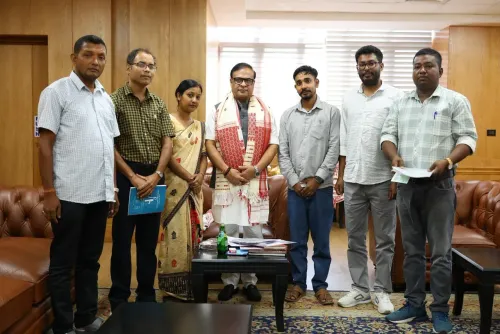
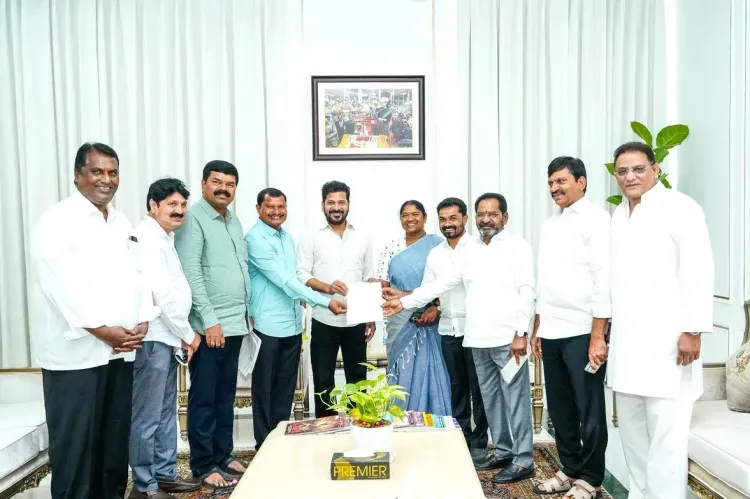
A delegation of Adivasi and tribal legislators met Telangana Chief Minister A. Revanth Reddy at the Dr. B.R. Ambedkar State Secretariat on Thursday, 2 July 2026, submitting a formal petition seeking an additional 2,000 Indiramma Indlu housing units for assembly constituencies in the state's Agency Areas. The delegation was led by Panchayat Raj Minister Dhanasari Anasuya Seethakka, and the Chief Minister's Office confirmed the meeting through an official post on X.
Context
The petition, presented at the secretariat, calls for allocating 2,000 additional houses under the Indiramma Indlu scheme specifically to legislative constituencies falling within Telangana's Scheduled tribal regions, commonly referred to as Agency Areas. These areas, concentrated in districts such as Bhadradri Kothagudem and surrounding scheduled zones, are governed under special constitutional protective provisions for Scheduled Tribes. The legislators argued that existing allocations have been insufficient to meet the housing backlog in these geographically remote constituencies.
Among the MLAs who called on the Chief Minister were Jare Adinarayana (Aswaraopeta), Payam Venkateswarlu (Pinapaka), Koram Kanakaiah (Illandoo), Tellam Venkatarao (Bhadrachalam), and Vedma Bojju (Khanapuram). Ministers Pongulet Srinivas Reddy, Adluri Laxman Kumar, and Mohammed Azaruddin were also present at the meeting.
Policy Backdrop
The Indiramma Indlu scheme is a state rural housing programme that provides pucca houses to eligible poor families. It traces its lineage to a flagship rural housing initiative launched in united Andhra Pradesh around 2006, which continued after Telangana's formation in 2014. The current Congress government under Chief Minister Revanth Reddy has positioned the scheme as a central welfare delivery mechanism, particularly targeting rural and tribal communities.
Beyond housing, the delegation's petition also demanded the grant of formal title deeds — known as pattalu — over Podu lands, the shifting cultivation plots in forest areas traditionally used by Adivasi communities. The Forest Rights Act, 2006 provides the legal framework for recognising such individual and community rights, but implementation has remained a long-standing challenge across successive governments. The legislators further called for the launch of the Indira Giri Jala Vikasam scheme in tribal areas.
Stakeholders and Impact
The delegation also sought the strengthening of Integrated Tribal Development Agencies (ITDAs) — bodies set up in the 1970s under the Tribal Sub-Plan strategy to channel central and state development funds to Scheduled Tribe communities — and the upgrading of tribal ashram schools to the intermediate level. These demands reflect the broader infrastructure deficit in Agency Area constituencies, where access to secondary education and institutional development support has historically lagged behind urban and semi-urban regions.
If the additional housing allocation is approved, it would directly benefit Adivasi households across the five represented constituencies, adding to the existing pipeline of Indiramma Indlu beneficiaries in scheduled zones. The demand for Podu land titles carries particular significance, as unresolved land tenure remains a source of livelihood insecurity for thousands of Adivasi families engaged in forest-based cultivation.
What's Next
The petition now awaits a formal response from the Chief Minister's Office and the Panchayat Raj department. The critical follow-up will be whether the additional 2,000 houses find a place in the next Panchayat Raj budget cycle and whether the cabinet takes up Podu land pattas or ITDA capacity upgrades as discrete agenda items. The presence of three cabinet ministers at the meeting signals political weight behind the demands, though no formal commitment has been announced as yet. The Telangana government's response will be closely watched by tribal rights groups and opposition legislators who have long flagged the pace of welfare delivery in Agency Areas.
Point of View
Podu land titles, ITDA upgrades, and school infrastructure reveals that these constituencies face a compound deficit — not a single-issue gap — that incremental allocations have not resolved since the state's formation in 2014. The presence of three cabinet ministers alongside the tribal MLAs suggests the ruling Congress is keen to demonstrate responsiveness to its Scheduled Tribe voter base ahead of future electoral cycles. Whether the petition translates into budgetary action or remains a symbolic gesture will test the government's stated commitment to equitable welfare delivery in its most vulnerable constituencies.
NationPress
2 Jul 2026
Frequently Asked Questions
What is the Indiramma Indlu scheme in Telangana?
Indiramma Indlu is a state rural housing programme in Telangana that provides pucca houses to eligible poor families, continuing a welfare initiative that originated in united Andhra Pradesh around 2006.
Why did tribal MLAs meet CM Revanth Reddy on 2 July 2026?
A delegation of Adivasi and tribal legislators met Chief Minister Revanth Reddy to submit a petition seeking 2,000 additional Indiramma Indlu houses for Agency Area constituencies, along with Podu land titles, ITDA strengthening, and tribal school upgrades.
What are Podu lands and why do tribal communities demand titles for them?
Podu lands are shifting cultivation plots in forest areas traditionally farmed by Adivasi communities. Under the Forest Rights Act, 2006, these communities are entitled to formal title deeds, but implementation delays have left many families without recognised land rights.
What are ITDAs and what role do they play in tribal development?
Integrated Tribal Development Agencies (ITDAs) were established in the 1970s under India's Tribal Sub-Plan strategy to channel central and state funds for the welfare and development of Scheduled Tribe communities in designated Agency Areas.
Which MLAs were part of the tribal delegation that met CM Revanth Reddy?
The delegation included MLAs Jare Adinarayana (Aswaraopeta), Payam Venkateswarlu (Pinapaka), Koram Kanakaiah (Illandoo), Tellam Venkatarao (Bhadrachalam), and Vedma Bojju (Khanapuram), led by Minister Dhanasari Anasuya Seethakka.