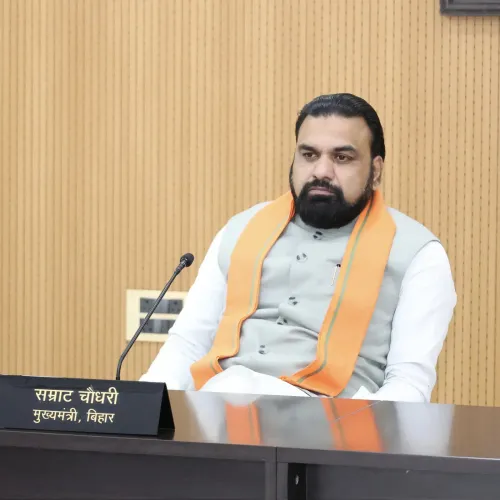
CM Samrat Choudhary launches MLA orientation at BIPARD, Gaya
Synopsis
Bihar Chief Minister Samrat Choudhary jointly inaugurated a two-day MLA orientation at BIPARD in Gaya on 11 July 2026, alongside the Vice President and Governor, and announced 213 new degree colleges across Bihar's blocks from 15 July, linking the drive to PM Modi's Viksit Bharat and Nitish Kumar's Samriddh Bihar visions.
Key Takeaways
Bihar CM Samrat Choudhary co-inaugurated a two-day MLA orientation programme at BIPARD, Gaya on 11 July 2026 with the Vice President and Bihar Governor.
The programme's theme — 'Saksham Vidhayak, Sashakt Vidhan Sabha' — frames capable legislators as the foundation of a prosperous Bihar.
CM Choudhary stressed equal responsibility of ruling party and opposition in strengthening democracy.
213 new degree colleges are set to launch across Bihar's blocks from 15 July 2026 .
The initiative is framed around PM Modi's 'Viksit Bharat' national goal and Nitish Kumar's 'Samriddh Bihar' vision, with emphasis on AI and quality education.
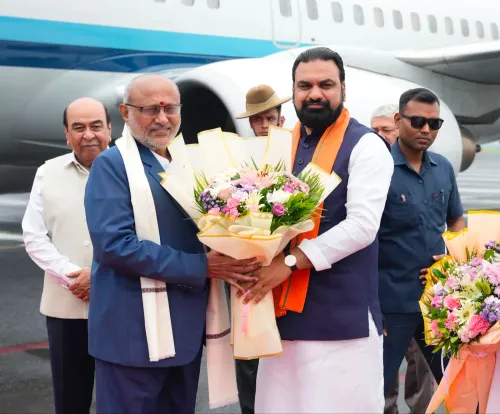
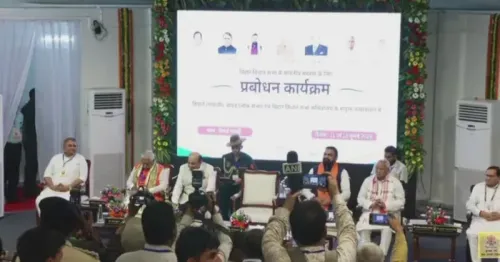
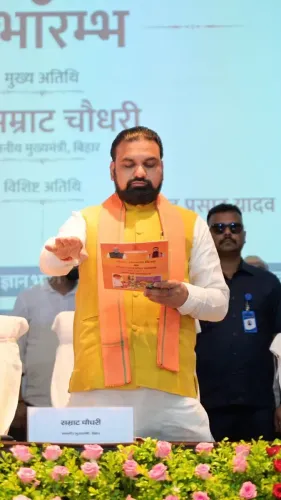
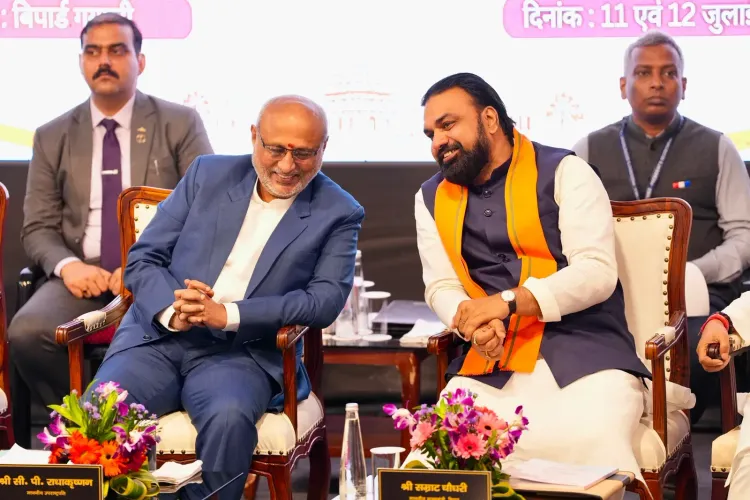
Bihar Chief Minister Samrat Choudhary on Saturday, 11 July 2026, jointly inaugurated a two-day orientation programme for members of the Bihar Legislative Assembly at BIPARD (Bihar Institute of Public Administration and Rural Development) in Gaya, alongside the Vice President of India and the Bihar Governor.
Context
Addressing the gathering, Chief Minister Choudhary underscored the theme of the programme: 'Saksham Vidhayak, Sashakt Vidhan Sabha' ('Capable Legislators, Empowered Assembly'). He described this as the 'cornerstone of a prosperous Bihar', stressing that elected representatives must 'effectively place the expectations of the people and public-interest issues before the House.' He also noted that both the ruling side and the opposition carry equal responsibility in strengthening democracy.
The event brought together legislators from across party lines for structured capacity-building — a format that BIPARD, the state's primary training institution, has conducted for government officials and elected representatives over several years.
Policy Backdrop
Chief Minister Choudhary linked the programme to two overarching visions: Prime Minister Narendra Modi's national goal of 'Viksit Bharat' ('Developed India') and former Chief Minister Nitish Kumar's 'Samriddh Bihar' ('Prosperous Bihar') framework. He stated that modern technology, Artificial Intelligence (AI), and quality education are being given fresh momentum to realise these goals.
Bihar's focus on higher-education expansion has been a consistent policy thread since successive governments from 2005 onwards established new universities and colleges. The National Education Policy 2020 further reinforced this by prioritising technology integration in education at the national level.
Stakeholders and Impact
The most concrete announcement from the event is the planned launch of 213 new degree colleges across various blocks of Bihar, scheduled to begin from 15 July. If operationalised on schedule, this would mark one of the single largest expansions of degree-level institutions in the state's recent history, directly affecting access to higher education for students in rural and semi-urban blocks.
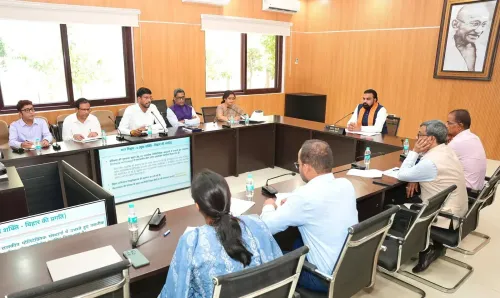
For Bihar's legislators, the BIPARD orientation is designed to sharpen their ability to raise constituency issues on the floor of the Assembly — a capacity gap that governance analysts have flagged as a structural challenge in large, multi-party state legislatures.
What's Next
Attention will now turn to whether the 213 degree colleges open their doors as announced from 15 July, including enrolment readiness, faculty appointments, and infrastructure status at the block level. Subsequent batches of the MLA training programme at BIPARD are also expected, as the state looks to institutionalise legislative capacity-building as a regular feature of governance.
Point of View
CM Choudhary is carefully threading the NDA alliance narrative, positioning himself as its Bihar executor rather than an independent political voice. The presence of the Vice President at a state-level MLA training programme is an unusual elevation that lends constitutional weight to what is otherwise a routine capacity-building exercise, suggesting deliberate optics management. Whether the 213 colleges translate from announcement to functional institutions will be the real test of this governance push.
NationPress
11 Jul 2026
Frequently Asked Questions
What is BIPARD and where is it located?
BIPARD stands for Bihar Institute of Public Administration and Rural Development. It is the state's primary training and capacity-building institution, located in Gaya, Bihar.
What was the MLA orientation programme launched at BIPARD about?
The two-day orientation programme, themed 'Saksham Vidhayak, Sashakt Vidhan Sabha' (Capable Legislators, Empowered Assembly), was designed to enhance the capacity of Bihar Legislative Assembly members to effectively represent public issues in the House.
How many new degree colleges is Bihar opening and from when?
Bihar Chief Minister Samrat Choudhary announced the launch of 213 new degree colleges across various blocks of the state, scheduled to begin from 15 July 2026.
Who attended the BIPARD MLA orientation inauguration on 11 July 2026?
The programme was jointly inaugurated by Bihar Chief Minister Samrat Choudhary, the Vice President of India, and the Bihar Governor.
What is the 'Samriddh Bihar' vision mentioned by CM Samrat Choudhary?
'Samriddh Bihar' (Prosperous Bihar) is the development framework associated with former Bihar Chief Minister Nitish Kumar, which CM Choudhary cited alongside PM Modi's 'Viksit Bharat' as guiding goals for the state's education and governance initiatives.