CM Samrat Choudhary Marks National Handloom Day, Backs Local Weavers
Synopsis
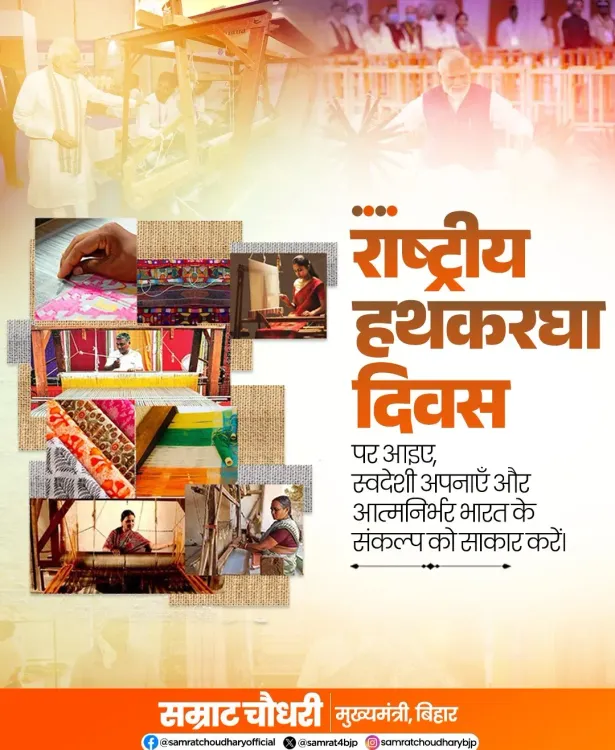
Bihar Chief Minister Samrat Choudhary marked National Handloom Day on 7 August 2026 by calling on citizens to honour weavers, embrace indigenous products, and strengthen the Atmanirbhar Bharat resolve — linking cultural heritage to economic self-reliance.
Key Takeaways
Bihar CM Samrat Choudhary posted a National Handloom Day message on 7 August 2026 , urging support for weavers and local products.
National Handloom Day has been observed every 7 August since 2015 , instituted on the centenary of the Swadeshi movement.
The message explicitly links handloom promotion to the Atmanirbhar Bharat initiative launched in 2020 .
Millions of artisan families across India depend on the handloom sector for their livelihoods.
Bihar's own weaving heritage — including Bhagalpur silk — gives the Chief Minister's appeal a direct state-level economic dimension.
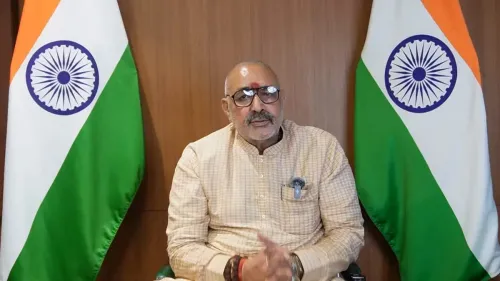
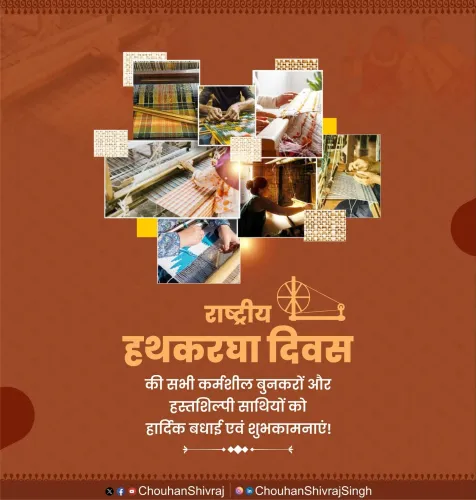
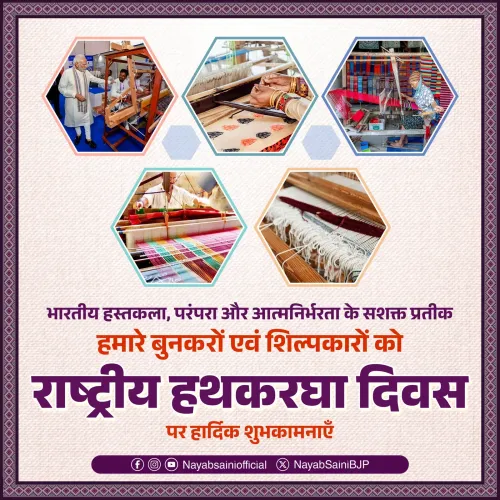
On National Handloom Day, 7 August 2026, Bihar Chief Minister Samrat Choudhary called on citizens to honour the country's handloom weavers and embrace indigenous products — weaving the occasion into the broader Atmanirbhar Bharat (self-reliant India) resolve.
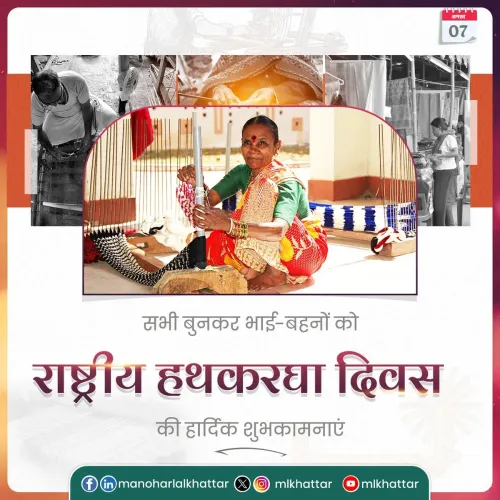
Posting in Hindi, CM Choudhary urged: 'Let us respect the hard work of our skilled weavers, the rich heritage of Indian handicrafts, and indigenous products. Adopt local products to strengthen the resolve of a self-reliant India and support the millions of families connected to handloom.' The message carried the hashtag #NationalHandloomDay.
A day born from the Swadeshi centenary
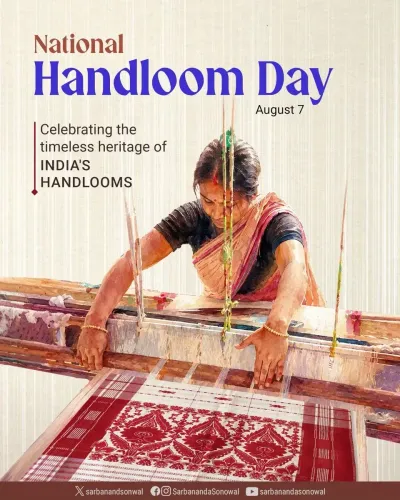
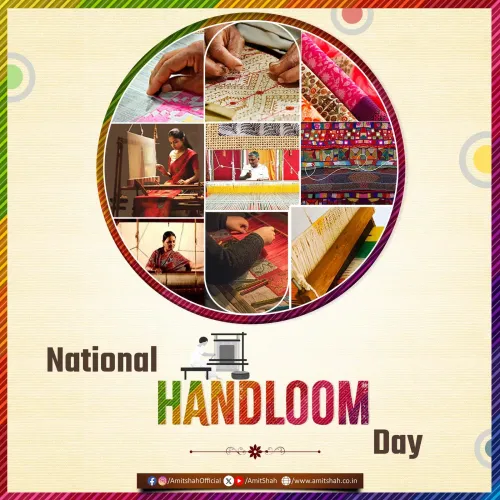
National Handloom Day has been observed every 7 August since 2015, when the central government instituted it on the centenary of the Swadeshi movement — the historic push for Indian-made goods that began in 1905. The date is deliberate: it anchors a living craft tradition to one of India's most consequential acts of economic resistance. Millions of weaver families across the country depend on the sector for their livelihoods.
Handloom and the Atmanirbhar framework
The call to 'buy local' is not incidental — it sits squarely inside the Atmanirbhar Bharat framework launched in 2020, which positioned traditional manufacturing and indigenous crafts as pillars of economic self-reliance. For the handloom sector, that has meant sustained political messaging linking cultural preservation with household income for artisan communities. CM Choudhary's post reflects that alignment: heritage and economics, threaded together.
Bihar itself is home to weaving traditions — including the famed Bhagalpur silk — making the Chief Minister's endorsement more than ceremonial in a state where artisan clusters translate directly into rural employment.
On a day meant to spotlight the loom, the loudest message may be the simplest one: every purchase is a vote for the weaver behind it.
Point of View
The post does double duty: it reinforces BJP's 'vocal for local' brand identity while speaking directly to Bihar's artisan communities ahead of any potential state-level scheme announcements. The Swadeshi lineage of the date gives even routine greetings a layer of nationalist resonance that purely ceremonial occasions lack. Whether that translates into concrete budget support for handloom clusters in Bihar is the question the next state budget will answer.
NationPress
7 Aug 2026
Frequently Asked Questions
When is National Handloom Day celebrated in India?
National Handloom Day is celebrated every year on 7 August . It was instituted in 2015 to coincide with the centenary of the Swadeshi movement and to honour India's handloom weavers.
Why did Bihar CM Samrat Choudhary post about National Handloom Day?
CM Samrat Choudhary posted on 7 August 2026 to mark National Handloom Day, calling on citizens to respect weavers' hard work, embrace local handloom products, and support the Atmanirbhar Bharat resolve.
What is the significance of 7 August for the handloom sector?
7 August marks the centenary of the Swadeshi movement of 1905, which promoted Indian-made goods over British imports. The central government chose this date in 2015 to institute National Handloom Day as a tribute to that legacy.
What is Atmanirbhar Bharat and how does it relate to handloom?
Atmanirbhar Bharat is a central government initiative launched in 2020 to promote self-reliance through local manufacturing. Handloom promotion is a key part of this framework, linking traditional craft preservation with economic independence for artisan families.
What is Bihar's connection to India's handloom tradition?
Bihar is home to significant weaving heritage, most notably Bhagalpur silk , a textile known across India. Handloom clusters in the state support rural artisan families, making the sector an important part of Bihar's economy.