CM Samrat Choudhary marks Samvidhan Hatya Diwas, recalls 1975 Emergency
Synopsis
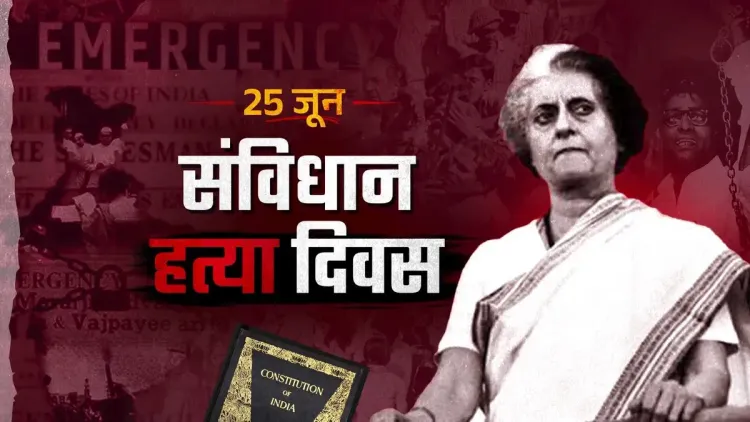
Bihar Chief Minister Samrat Choudhary on 25 June 2026 marked Samvidhan Hatya Diwas, calling the 1975 Emergency a 'black stain on Indian democracy' and honouring all those who resisted authoritarian rule through sacrifice and struggle.
Key Takeaways
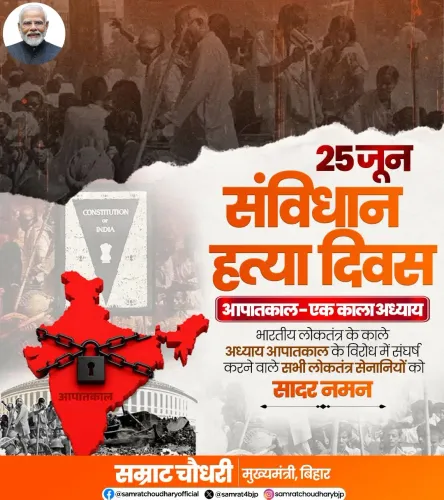
Bihar CM Samrat Choudhary posted a tribute on 25 June 2026 marking the 51st anniversary of the 1975 Emergency proclamation.
He described the Emergency as a period when 'the soul of the Constitution was crushed in the arrogance of power' and citizens' rights were stripped away.
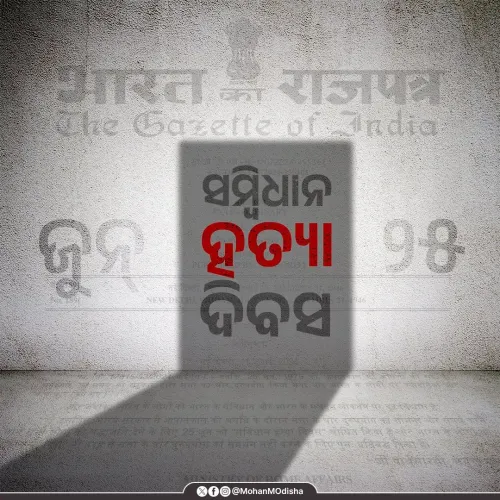
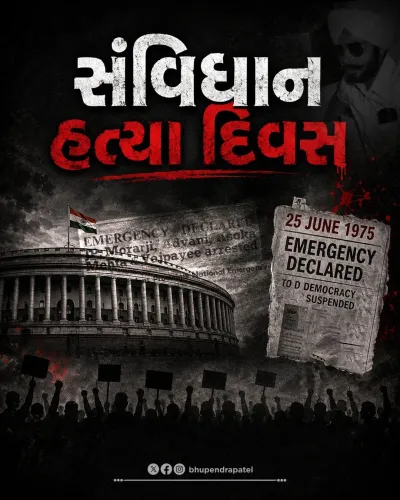
The post used the hashtag #SamvidhanHatyaDiwas (Constitution Murder Day), the BJP's institutionalised name for the annual 25 June observance.
The 1975 Emergency lasted 21 months , ending in March 1977 , and saw suspension of fundamental rights and detention of political opponents without trial.
Opposition leader Jayaprakash Narayan led the democratic resistance movement during the Emergency period.
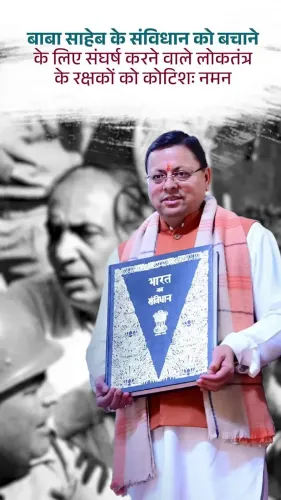
Choudhary offered a 'reverential salute' to all democracy fighters who protected constitutional dignity through struggle and sacrifice.
Bihar Chief Minister Samrat Choudhary on 25 June 2026 paid solemn tribute to the democracy fighters of the 1975 Emergency, calling the 21-month period a 'black stain on Indian democracy' and honouring all those who resisted authoritarian rule at personal cost.
Context
In his post, Choudhary wrote — 'आपातकाल भारतीय लोकतंत्र पर लगा वह काला धब्बा था' ('The Emergency was that black stain on Indian democracy') — asserting that 'the soul of the Constitution was crushed in the arrogance of power.' He stated that democratic values were 'strangled to save a chair,' citizens' rights were snatched away, and the entire country was pushed into 'the darkness of fear, repression, and dictatorship.'
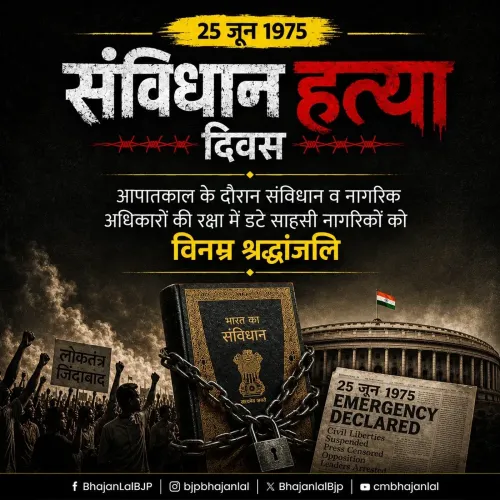
The Chief Minister specifically named 25 June 1975 as a date 'the country can never forget,' marking it under the hashtag #SamvidhanHatyaDiwas (Constitution Murder Day). He offered 'reverential salute' to all democracy fighters who protected the Constitution through struggle, sacrifice, and dedication.
Policy Backdrop
On 25 June 1975, then Prime Minister Indira Gandhi advised the President to proclaim a national Emergency under Article 352 of the Constitution, citing internal disturbance. The proclamation led to the suspension of fundamental rights, imposition of press censorship, and detention of political opponents without trial.
The Emergency lasted 21 months, ending on 21 March 1977 when elections were called. The Congress party was defeated in those elections and a Janata government was formed. Opposition leader Jayaprakash Narayan had spearheaded the resistance movement during this period, becoming a symbol of the democratic struggle.
The BJP has institutionalised the annual observance of 25 June as Samvidhan Hatya Diwas, using the commemoration to highlight themes of constitutional fidelity and democratic resilience, often contrasting the period with the party's own stated commitment to democratic norms.
Stakeholders and Impact
The annual observance draws participation from BJP leaders across states, civil liberties advocates, and former political detainees who lived through the Emergency era. For many opposition leaders and activists detained between 1975 and 1977, the day holds deep personal significance as a marker of democratic resistance.
The commemoration also resonates with younger citizens and students who engage with the Emergency as a critical chapter in India's constitutional history. Educational and cultural events tied to the date have grown in prominence as the BJP has formalised the observance at the party and government level.
What's Next
Similar statements from BJP chief ministers, state units, and central leadership are expected through the day, reinforcing the party's unified messaging around Samvidhan Hatya Diwas. Any responses from the Congress party or other opposition formations to the day's commemorations will be closely watched. In parliamentary sessions, references to the Emergency anniversary have previously informed debates on institutional autonomy and constitutional safeguards, a pattern likely to continue.
Point of View
Party-wide BJP effort to cement 25 June as a permanent fixture in India's political calendar — one that keeps the memory of the 1975 Emergency alive as a contrast to the party's own democratic credentials. By invoking the language of constitutional murder and authoritarian darkness, the messaging is aimed as much at contemporary political audiences as at historical memory. The framing of Emergency-era resistance as a founding democratic struggle allows the BJP to position itself as the inheritor of that legacy, complicating the Congress party's own claim to constitutional stewardship. As the observance grows more institutionalised, it is likely to feature more prominently in parliamentary debates and state-level education policy.
NationPress
25 Jun 2026
Frequently Asked Questions
What is Samvidhan Hatya Diwas and why is it observed on 25 June?
Samvidhan Hatya Diwas, or Constitution Murder Day, is observed on 25 June to mark the anniversary of the 1975 Emergency proclamation by then Prime Minister Indira Gandhi. The BJP institutionalised this observance to commemorate the suspension of fundamental rights and honour those who resisted authoritarian rule during the 21-month Emergency period.
What did Bihar CM Samrat Choudhary say about the 1975 Emergency?
Choudhary called the Emergency 'a black stain on Indian democracy,' saying the soul of the Constitution was crushed in the arrogance of power, democratic values were strangled to protect a political position, and the country was pushed into darkness of fear and repression.
How long did the 1975 Emergency last in India?
The 1975 Emergency lasted 21 months, from 25 June 1975 to 21 March 1977, when elections were announced and the Congress party was subsequently defeated, leading to the formation of a Janata government.
Who led the resistance against the 1975 Emergency in India?
Jayaprakash Narayan, widely known as JP, was the foremost opposition leader who spearheaded the resistance movement against the Emergency, advocating for the restoration of democratic rights and constitutional governance.
Why does the BJP observe 25 June every year?
The BJP observes 25 June annually as Samvidhan Hatya Diwas to keep the memory of the 1975 Emergency alive, underscoring themes of constitutional fidelity and democratic resilience, and contrasting the Emergency period with the party's stated commitment to democratic norms.