CM Samrat Choudhary offers Shiva prayers in Munger, reviews dev works
Synopsis
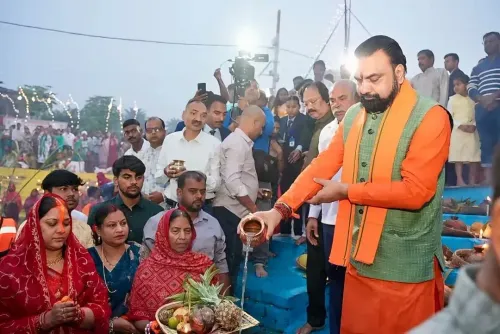
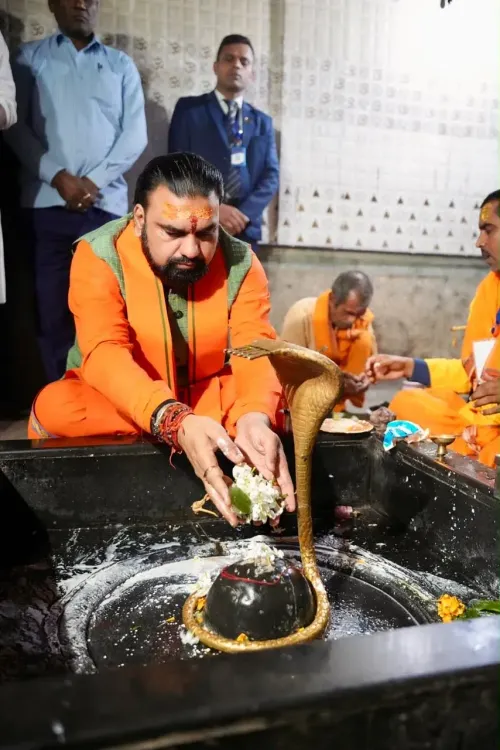
Bihar Chief Minister Samrat Choudhary performed Shiva jalabhishek and prayers at Rangaon, Tarapur in Munger district on November 16, following Chhath Puja worship, invoking state prosperity and reviewing local development scheme progress.
Key Takeaways
Bihar CM Samrat Choudhary visited Rangaon, Tarapur, Munger district on November 16, 2026 .
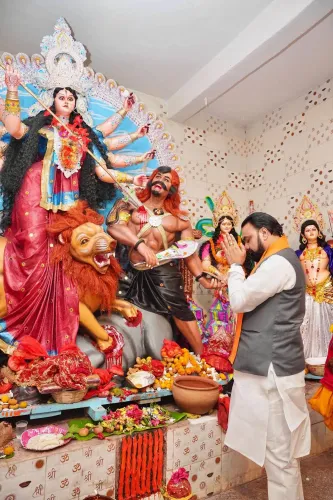
He performed jalabhishek and formal pujan-archan of Devadhideva Mahadeva after completing Chhath Puja worship.
Prayers were offered for the peace, prosperity, and well-being of Bihar's people.
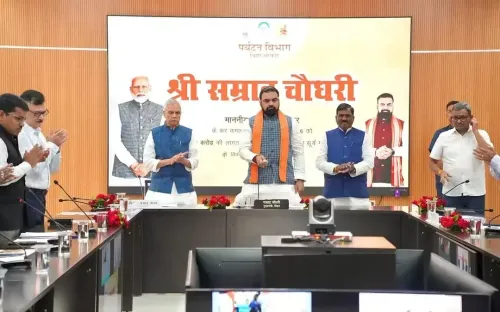
Choudhary also received an update on proposed development works and schemes in the Tarapur region during the visit.
The visit reflects a recurring Bihar governance pattern of combining major festival observances with on-ground administrative reviews in districts.
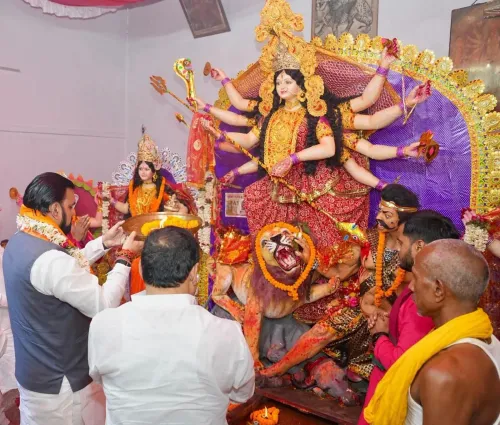
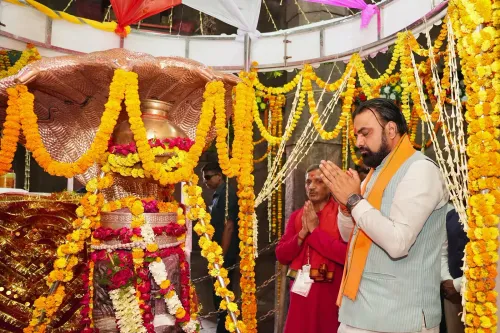
After completing Chhathi Maiya ki aradhana (worship of Chhathi Maiya), Bihar Chief Minister Samrat Choudhary performed a solemn jalabhishek — the ritual pouring of water over a Shiva lingam — and offered prayers at a temple in Rangaon, Tarapur, Munger district on Monday, November 16, 2026, invoking blessings for the peace, prosperity, and happiness of Bihar's people.
Choudhary shared the visit on social media, writing: 'After worshipping Chhathi Maiya, I performed the duly prescribed jalabhishek and pujan-archan of Devadhideva Mahadeva at Rangaon, Tarapur (Munger), praying for the happiness and prosperity of the state. I also received an update on the progress of proposed development works and schemes in the region. Har-Har Mahadev!'
Chhath Puja devotion meets district-level governance
Chhath Puja — Bihar's most iconic four-day festival dedicated to the sun deity and Chhathi Maiya — draws millions of devotees across the state each year and carries deep cultural significance around prayers for well-being and abundance. Choudhary's visit to Munger wove together two threads: religious observance and an on-ground administrative check on proposed development projects in the Tarapur block.
Bihar Chief Ministers have long combined festival-season temple visits with local project reviews — a practice that places political leadership visibly inside community life, particularly in rural districts like Munger. For residents of Tarapur, the CM's presence signals active attention to the region's development pipeline alongside the shared spiritual moment.
Munger in focus: faith, terrain, and development pipeline
Munger district, situated on the southern bank of the Ganga, is a culturally significant part of Bihar — home to ancient temples, a historic fort, and communities for whom Shiva worship and Chhath observance are central to daily life. Choudhary's decision to travel here during the festival period underscores the state government's intent to maintain a visible administrative presence across Bihar's districts, not just the capital Patna.
While the specifics of the proposed development works reviewed during the visit have not been officially detailed, the CM's on-ground inspection format — combining worship, public interaction, and scheme-status briefings — reflects a governance style that blends ritual with accountability. For Tarapur's residents, the message is direct: the state is watching and working.
As Bihar's festival season wraps up and the administrative calendar accelerates into the winter session, all eyes will be on whether the development commitments flagged during this visit translate into ground-level progress in Munger.
Point of View
This pattern is both a communication strategy and a genuine administrative tool. The timing — immediately following Chhath Puja, Bihar's most emotionally resonant festival — maximises visibility among a devout electorate. As Bihar heads deeper into its development spending cycle, the real test will be whether the schemes reviewed in Tarapur deliver tangible outcomes.
NationPress
16 Nov 2026
Frequently Asked Questions
Where did Bihar CM Samrat Choudhary offer Shiva prayers on November 16, 2026?
He performed jalabhishek and prayers at a Shiva temple in Rangaon, Tarapur block, Munger district, Bihar.
What is jalabhishek?
Jalabhishek is a Hindu ritual in which water — sometimes mixed with milk, honey, or other sacred substances — is poured over a Shiva lingam as an act of devotion and to seek blessings.
What is Chhath Puja and why is it significant in Bihar?
Chhath Puja is a four-day festival dedicated to the sun deity and Chhathi Maiya, observed with great devotion across Bihar. It is considered one of the most important festivals in the state, involving prayers for health, prosperity, and family well-being.
Did Samrat Choudhary also review development work during the Munger visit?
Yes, alongside the religious observances, the Bihar CM received an update on the progress of proposed development works and government schemes in the Tarapur area of Munger.
Which district is Tarapur located in Bihar?
Tarapur is a block within Munger district in Bihar, situated on the southern bank of the Ganga river.