CM Samrat Choudhary Reviews Ashok Paper Mills Land, Worker Dues
Synopsis
Bihar Chief Minister Samrat Choudhary chaired a review meeting at the Sankalp auditorium on 18 November 2026, addressing industrial land reuse and pending worker dues at Ashok Paper Mills, Darbhanga — signalling active state intervention in a long-pending legacy industrial dispute.
Key Takeaways
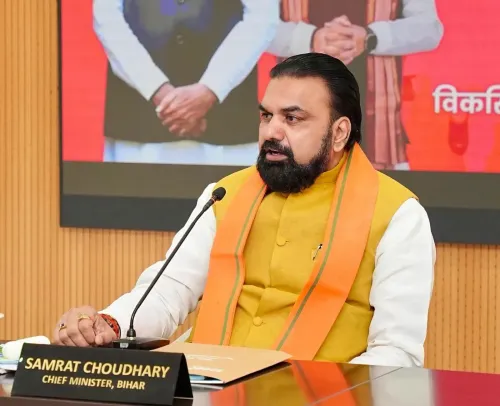
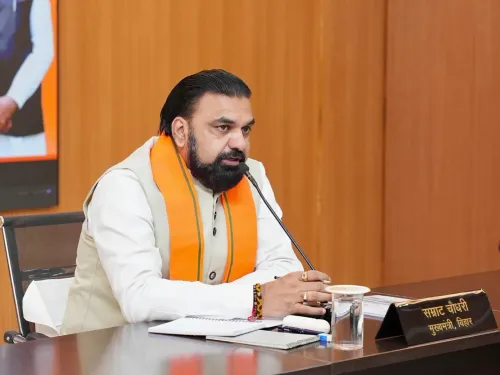
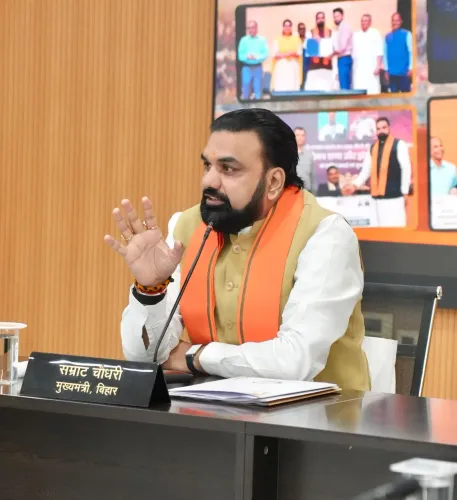
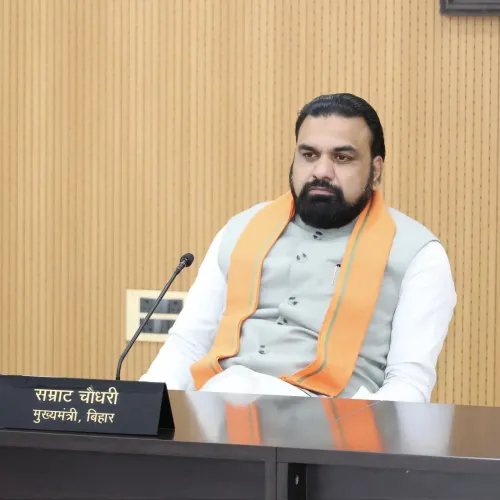
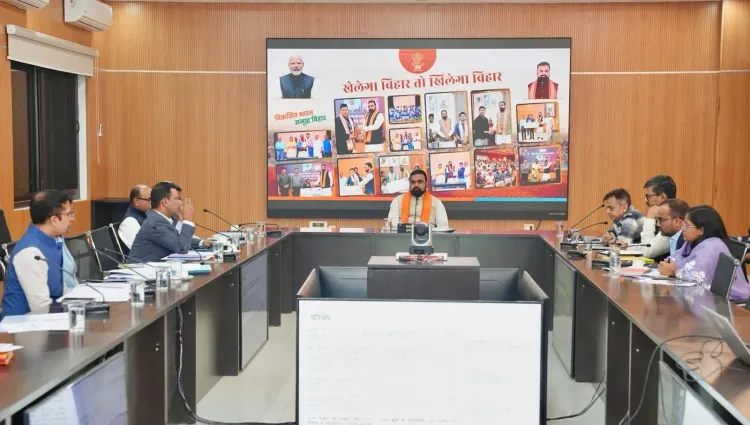
Bihar CM Samrat Choudhary chaired a review meeting on 18 November 2026 at the Sankalp auditorium, Lok Sewak Avas .
The meeting focused on two issues: industrial reuse of Ashok Paper Mills, Darbhanga land, and protection of workers' pending dues and rights.
CM Choudhary's personal chairing of the meeting indicates the Bihar government is treating this as an active administrative priority.
Worker entitlements at stake include unpaid wages and statutory dues that can stall when a mill ceases operations.
No specific outcomes or orders from the meeting have been announced yet; follow-up decisions will be the key indicator of intent.
A shuttered paper mill in Darbhanga, unpaid wages, and the question of what happens to industrial land that sits idle — Bihar Chief Minister Samrat Choudhary called a focused review meeting on Wednesday, 18 November 2026 to confront exactly these issues head-on.
The Chief Minister chaired the meeting at the 'Sankalp' auditorium inside the Lok Sewak Avas complex, addressing two distinct but linked concerns: the industrial reuse of land belonging to Ashok Paper Mills, Darbhanga, and the pending dues and legal rights of the mill's workers.
A Mill, Its Workers, and Land Left Behind
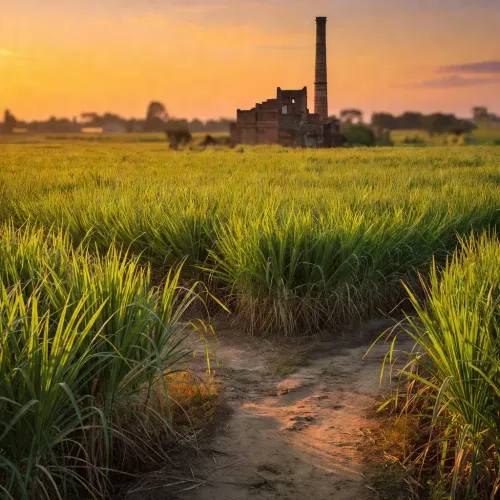
Ashok Paper Mills, located in Darbhanga, is among the legacy industrial units that have become a recurring governance headache for Bihar — properties where operations have wound down but whose workers remain in limbo, their arrears unsettled and their futures uncertain. These situations are not unique to Bihar; across India, state governments periodically intervene to untangle the dual knot of idle industrial land and unresolved labour dues. What makes such meetings consequential is that the two questions — what to do with the land, and what is owed to the workers — rarely have the same answer, and balancing them demands political will as much as administrative precision. Chief Minister Choudhary's decision to personally chair the review signals that the Bihar government is treating this as an active file, not a shelf item. The Sankalp auditorium, used for key administrative reviews, suggests this was a formal inter-departmental exercise rather than a routine departmental update.Workers' Dues: The Human Core of an Industrial Dispute
For the workers of Ashok Paper Mills, the meeting carries immediate stakes. Pending wages and statutory dues — provident fund contributions, gratuity, and other entitlements — can languish for years when a mill closes or falls dormant, often caught between company insolvency proceedings and state oversight gaps. A direct review by the Chief Minister places both the labour department and any relevant industrial or revenue authorities in the same room, with an expectation of a resolution roadmap. The broader pattern across Indian states shows that such reviews, when followed by concrete orders, can accelerate disbursement of arrears that workers may have been awaiting for months or even years.What the Land Becomes Next
The industrial land question is equally loaded. Darbhanga, once a prominent centre of North Bihar's modest industrial activity, sits in a region the Bihar government has been keen to develop — the city has gained fresh profile in recent years with infrastructure investments including a functional airport. Repurposing a defunct mill's land for new industrial or commercial use could feed into the state's broader investment-attraction agenda, but only after workers' claims are legally settled. The Bihar government has not yet announced specific outcomes from the meeting. Any follow-up orders on land reallocation or a worker-dues disbursement timeline will be the real test of Wednesday's deliberations. For the men and women who once worked those mill floors, the clock on their unpaid dues has been running long enough — the question now is whether this meeting marks the beginning of the end of their wait.Point of View
Clearing the dues-and-land backlog at Darbhanga serves a dual purpose: it demonstrates labour-welfare credibility and potentially frees up land for fresh investment. The meeting fits a wider pattern of Indian state governments using executive review as a forcing function to resolve disputes that courts and departments alone cannot move quickly enough. The real test, however, lies in the orders that follow — not the meeting that preceded them.
NationPress
18 Nov 2026
Frequently Asked Questions
What is the Ashok Paper Mills dispute in Darbhanga?
Ashok Paper Mills in Darbhanga is a legacy industrial unit whose closure or dormancy left workers with unsettled dues and left its land without a clear reuse plan. Bihar CM Samrat Choudhary convened a review meeting on 18 November 2026 to address both issues.
What dues are owed to Ashok Paper Mills workers?
The workers are owed pending wages and statutory labour dues — which can include provident fund contributions, gratuity, and other entitlements. The exact amounts have not been publicly disclosed following the review meeting.
What will happen to the Ashok Paper Mills land in Darbhanga?
The Bihar government is reviewing options for industrial reuse of the mills' land. No specific reallocation or development plan has been announced following the 18 November 2026 meeting.
Where was the review meeting held?
The meeting was held at the 'Sankalp' auditorium inside the Lok Sewak Avas complex, a venue used for formal administrative reviews in Bihar.
Why is Darbhanga significant for Bihar's industrial plans?
Darbhanga has gained fresh prominence in North Bihar due to infrastructure developments including a functional airport, making the reuse of idle industrial land in the city relevant to the state's broader investment and development agenda.