CM Samrat Choudhary Reviews Bihar's ₹100 Cr+ Projects Under Bihar Gati
Synopsis
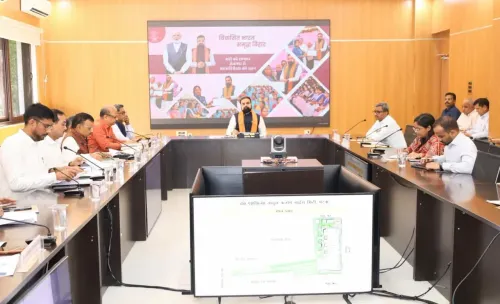
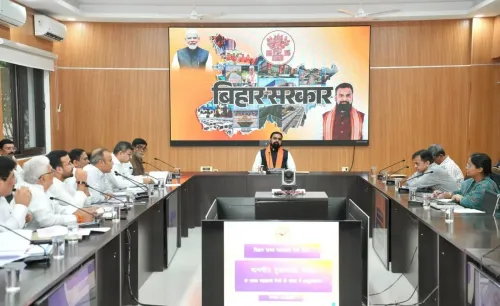
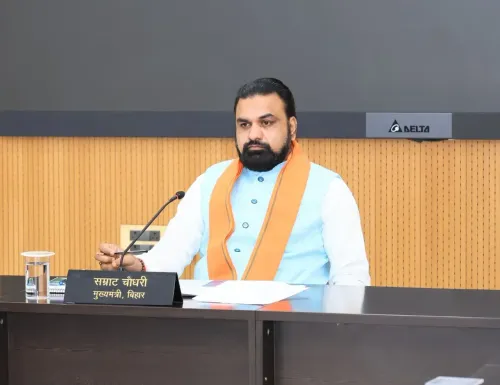
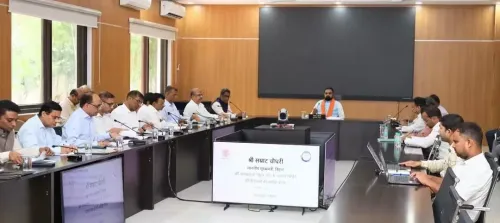
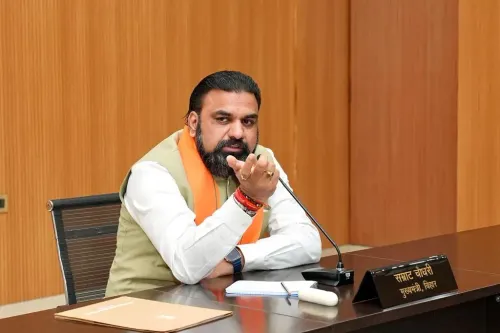
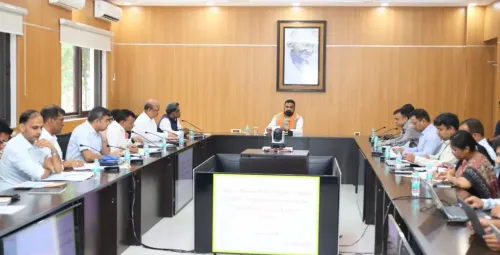
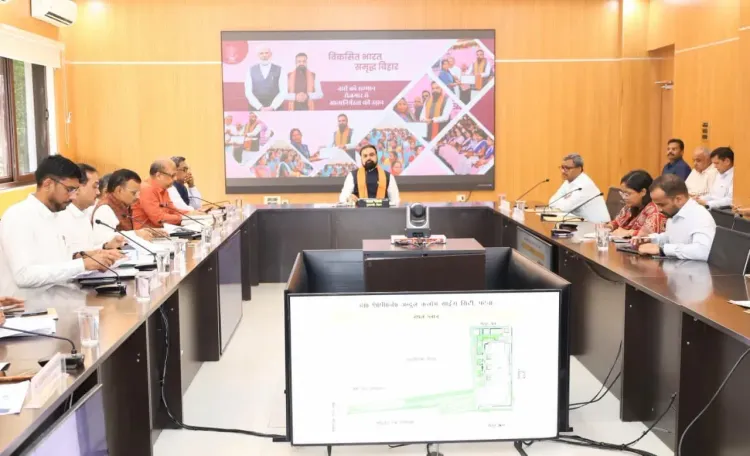
Bihar Chief Minister Samrat Choudhary on 27 October 2026 reviewed state projects worth over ₹100 crore and Central Government scheme progress under the Bihar Gati monitoring framework at the Sankalp auditorium in Patna.
Key Takeaways
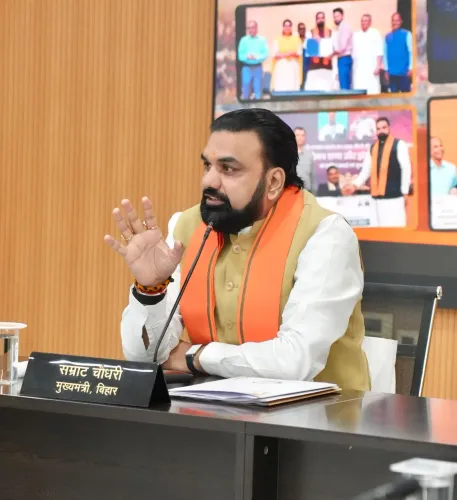
Bihar CM Samrat Choudhary held a project review meeting on 27 October 2026 at Lok Sevak Avas, Patna.
The review was conducted under the state's Bihar Gati project-monitoring framework.
All state projects with a cost of more than ₹100 crore were placed under scrutiny.
Progress of Central Government schemes operating in Bihar was also reviewed in the same session.
The dual-track review aims to improve coordination between state capital expenditure and centrally-sponsored programmes.
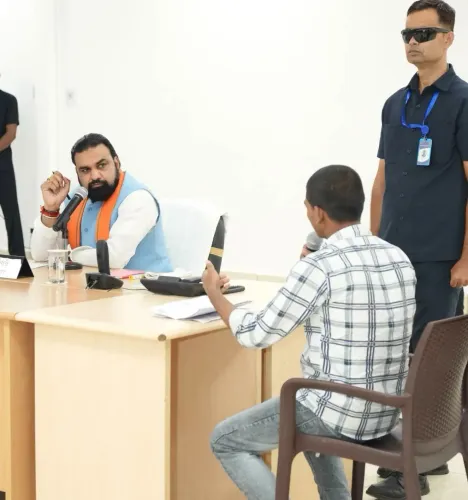
A high-stakes accountability session unfolded at Lok Sevak Avas on Tuesday, 27 October 2026, as Bihar Chief Minister Samrat Choudhary convened a structured progress review of all state projects valued above ₹100 crore — alongside the implementation status of multiple Central Government schemes — under the state's project-monitoring framework Bihar Gati.
What happened inside the 'Sankalp' hall
The meeting was held at the 'Sankalp' auditorium within Lok Sevak Avas, the official Chief Minister's residence complex in Patna. The Chief Minister's Office confirmed the session via its official X account, stating that the CM reviewed progress of projects costing more than ₹100 crore as well as the status of various Central Government schemes operating in the state. The dual focus — state capital expenditure and centrally-sponsored schemes — signals a coordinated push to close the gap between fund allocation and on-ground delivery.
Bihar Gati: the mechanism putting projects under the scanner
Bihar Gati is the state-level framework under which large infrastructure and development projects are monitored for both physical and financial progress. By institutionalising reviews of projects above the ₹100 crore threshold, the mechanism targets the category of projects most likely to carry fiscal risk if they stall. Routine high-level scrutiny of this kind is designed to surface implementation bottlenecks early — before cost overruns or deadline slippages become politically or fiscally unmanageable.
Why Central scheme tracking sits alongside state projects
The simultaneous review of Central Government schemes alongside state projects reflects a well-established governance pattern in Indian states: much of Bihar's development spending flows through centrally-sponsored programmes, making state-level coordination critical for drawdown and utilisation. A single integrated review session reduces the risk of siloed implementation where central funds sit unspent while state machinery waits for clearances — or vice versa. For a state like Bihar, which remains a significant beneficiary of central transfers, this kind of joint accountability exercise carries real fiscal weight.
The outcomes of today's review — whether specific projects were flagged for delay, whether fund releases are expected, or whether any corrective directives were issued — will be the next signal to watch from Patna.
Point of View
The mechanism concentrates political attention precisely where fiscal and electoral risk is highest. The concurrent scrutiny of Central schemes signals Patna's intent to maximise drawdown from New Delhi at a time when states are increasingly competing for implementation credit. Watch whether this review cycle produces measurable milestone updates or remains a procedural exercise.
NationPress
28 Oct 2026
Frequently Asked Questions
What did Bihar CM Samrat Choudhary review on 27 October 2026?
CM Samrat Choudhary reviewed progress of state projects costing more than ₹100 crore and the implementation status of various Central Government schemes, under the Bihar Gati framework at the Sankalp auditorium in Patna.
Where was the Bihar project review meeting held?
The meeting was held at the 'Sankalp' auditorium located at Lok Sevak Avas, the Chief Minister's official residence complex in Patna, Bihar.
Why does Bihar review Central Government schemes at state-level meetings?
Bihar receives significant funding through centrally-sponsored schemes, so joint state-level reviews help ensure funds are utilised on time, implementation bottlenecks are resolved, and coordination between central and state agencies is maintained.
What is the significance of reviewing projects above ₹100 crore specifically?
Projects above ₹100 crore carry the highest fiscal and implementation risk; stalled or delayed large-ticket projects can cause significant cost overruns, making them a priority for direct Chief Ministerial oversight.