CM Samrat Choudhary Hails Namo Bharat as Symbol of Modern India
Synopsis
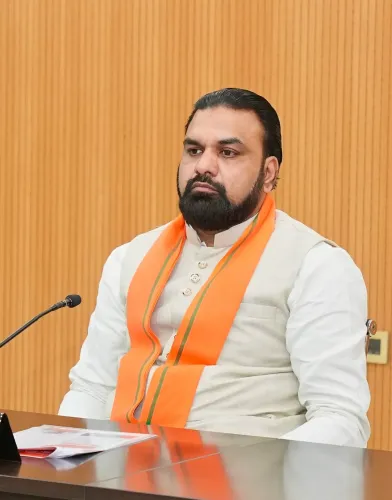
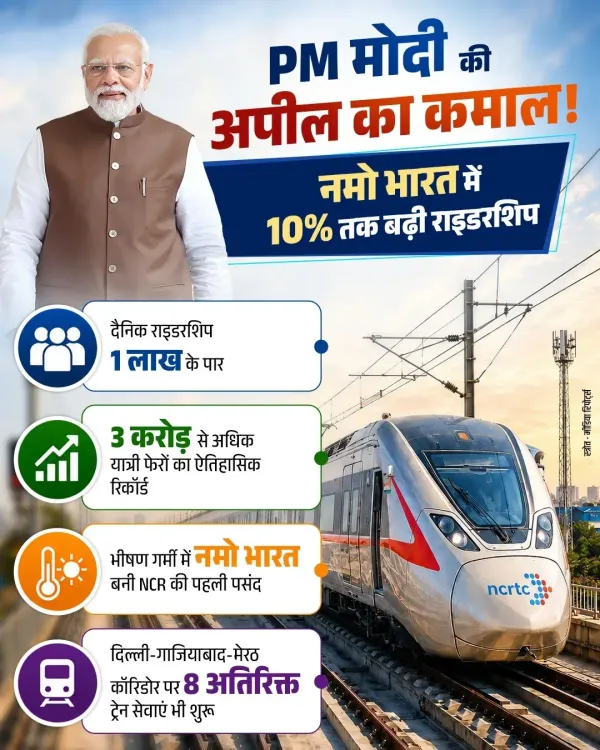
Bihar Chief Minister Samrat Choudhary on May 26 lauded the Namo Bharat semi-high-speed train as a symbol of India's modern infrastructure push, pointing to rising daily ridership and crediting PM Modi's leadership for transforming Indian Railways under the Viksit Bharat vision.
Key Takeaways
Bihar CM Samrat Choudhary publicly praised the Namo Bharat train service on May 26, 2026 , calling it a symbol of new India's speed and modern infrastructure.
He cited millions of daily passengers and rising ridership as proof of growing public confidence in India's rail network.
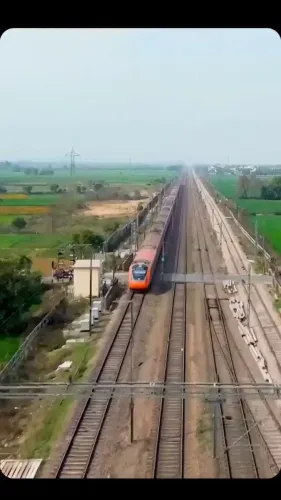
The Namo Bharat brand covers semi-high-speed trains on the Regional Rapid Transit System , with the Delhi–Meerut corridor as the flagship route.
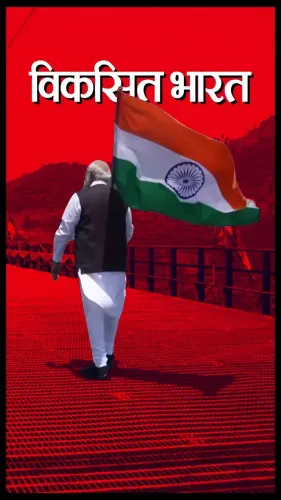
The initiative is part of a broader Indian Railways modernisation drive linked to the Viksit Bharat 2047 national development vision.
CM Choudhary credited PM Narendra Modi 's leadership for making the railway network safer and more passenger-friendly.
Expansion of Namo Bharat corridors and potential integration with state transport plans, including in Bihar , remains a key area to watch.
Bihar Chief Minister Samrat Choudhary on Tuesday, May 26, 2026, praised the Namo Bharat train service as a symbol of India's rapid infrastructure modernisation, citing growing daily ridership as evidence that the country is advancing toward world-class public transport. The senior BJP leader credited Prime Minister Narendra Modi's leadership for transforming the Indian Railways into a safer, more passenger-friendly network aligned with the Viksit Bharat vision.
Context
In his post, CM Choudhary wrote: 'नमो भारत ट्रेन आज नए भारत की तेज गति, आधुनिक इंफ्रास्ट्रक्चर और बेहतर कनेक्टिविटी का प्रतीक बन चुकी है' ('The Namo Bharat train has today become a symbol of new India's fast pace, modern infrastructure and better connectivity'). He further noted that the trust of millions of daily passengers and continuously rising ridership demonstrate that the country is rapidly moving toward world-class public transport. The remarks reflect the ruling party's effort to spotlight flagship rail projects as tangible proof of governance delivery.
Policy Backdrop
The Namo Bharat brand refers to the semi-high-speed trains operating on the Regional Rapid Transit System (RRTS) corridors, with the Delhi–Meerut route being the first to become operational. The RRTS corridors received central approval and funding in the mid-2010s to address urban congestion and regional connectivity, particularly in the National Capital Region. This initiative follows the 2019 rollout of Vande Bharat Express services, which similarly demonstrated India's semi-high-speed rail capabilities and set a precedent for branded, modern train categories under the current administration.
The broader railway modernisation drive under Indian Railways encompasses upgraded stations, new rolling stock, improved safety systems, and dedicated freight and passenger corridors. These efforts are positioned as foundational to the Viksit Bharat 2047 goal — the national vision of a fully developed India by the centenary of independence.
Stakeholders and Impact
Urban commuters and intercity rail passengers are the primary beneficiaries of the Namo Bharat expansion, with reduced travel times and improved amenities cited as key gains. For a state like Bihar, whose Chief Minister is amplifying the message, the political signal is clear: the BJP-led central government's infrastructure push is being presented as a shared national achievement that transcends regional boundaries. The post also implicitly frames railway modernisation as a pro-people deliverable ahead of continued political cycles.
Stakeholders including state transport planners and urban local bodies are expected to align their own connectivity projects with the RRTS and Namo Bharat framework as the network expands beyond its initial corridor.
What's Next
Attention will now turn to the expansion of additional Namo Bharat corridors beyond the initial Delhi–Meerut route, and whether state governments — including Bihar — will push for integration of RRTS-style rapid transit into their own transport planning. As the Viksit Bharat deadline of 2047 draws political salience, infrastructure milestones such as these are likely to remain central to the BJP's national narrative, with senior state leaders like CM Choudhary playing an active role in amplifying them on public platforms.
Point of View
He ties a specific rail product to a sweeping national aspiration, reinforcing the party's governance narrative. The move also signals Bihar's alignment with the Centre's infrastructure priorities at a time when rapid transit connectivity remains a politically sensitive demand in eastern India. Analysts will note that such posts serve dual purposes: crediting PM Modi while positioning the state leadership as active participants in national progress.
NationPress
10 Oct 2026
Frequently Asked Questions
What is the Namo Bharat train?
Namo Bharat is the brand name for semi-high-speed trains operating on India's Regional Rapid Transit System corridors, with the Delhi–Meerut route being the first operational line, offering faster and more modern travel than conventional rail services.
Why did Bihar CM Samrat Choudhary comment on Namo Bharat?
CM Choudhary praised the Namo Bharat train on May 26, 2026, to highlight the central government's infrastructure achievements under PM Modi, framing rising ridership as evidence of India's progress toward world-class public transport.
What is Viksit Bharat and how does it relate to Indian Railways?
Viksit Bharat is India's national vision to become a fully developed country by 2047, the centenary of independence. Railway modernisation — including new train categories, upgraded stations, and dedicated corridors — is presented as a core pillar of this long-term development goal.
What is the RRTS and which cities does it connect?
The Regional Rapid Transit System is a high-frequency, semi-high-speed rail network designed for regional connectivity. The first operational corridor runs between Delhi and Meerut, with additional corridors planned for the National Capital Region and beyond.
Will Namo Bharat trains expand to Bihar?
Expansion of Namo Bharat corridors beyond the initial Delhi–Meerut route is being watched closely, though no confirmed Bihar-specific route announcements are on public record as of the date of CM Choudhary's post.