CM Samrat Choudhary Pays Tribute to Raja Ram Mohan Roy
Synopsis
Bihar Chief Minister Samrat Choudhary on 22 May 2026 paid tribute to Raja Ram Mohan Roy on his birth anniversary, honouring the Brahmo Samaj founder's legacy of fighting social evils and championing education, women's empowerment and social equality in 19th-century India.
Key Takeaways
Bihar Chief Minister Samrat Choudhary posted a tribute to Raja Ram Mohan Roy on his birth anniversary on 22 May 2026 .
He described Roy as 'a great social reformer, architect of modern India, and founder of the Brahmo Samaj.' Raja Ram Mohan Roy (1772–1833) founded the Brahmo Samaj in 1828 , a movement promoting monotheism and social equality.
Roy's advocacy contributed to the Bengal Sati Regulation of 1829 , which banned the practice of sati.
He was associated with the founding of Hindu College in 1817 , championing modern education in India.
The tribute highlights themes of women's empowerment , education and social equality — areas of continued policy focus in Bihar.
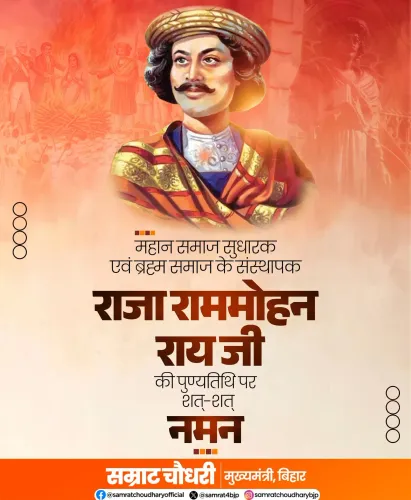
Bihar Chief Minister Samrat Choudhary on Friday, 22 May 2026, paid tribute to Raja Ram Mohan Roy on the reformer's birth anniversary, honouring him as a great social reformer, architect of modern India, and founder of the Brahmo Samaj.
Context
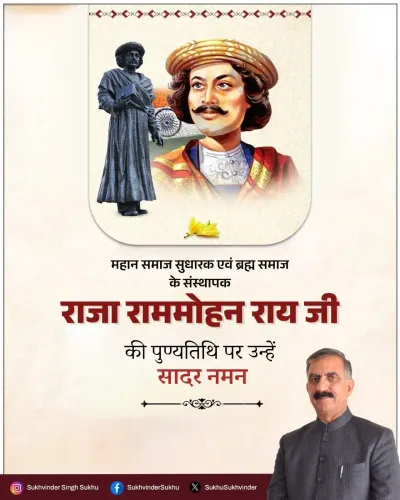
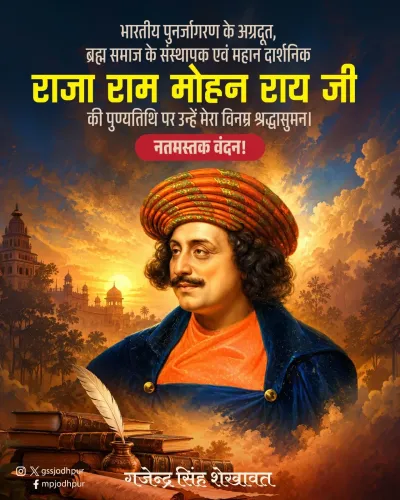
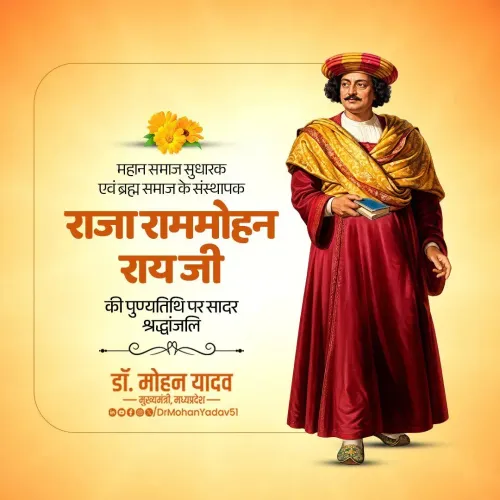
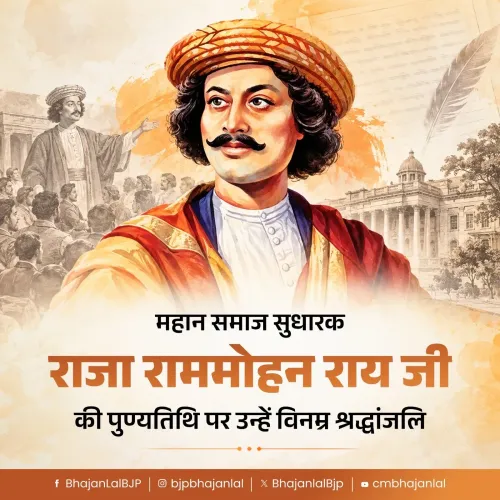
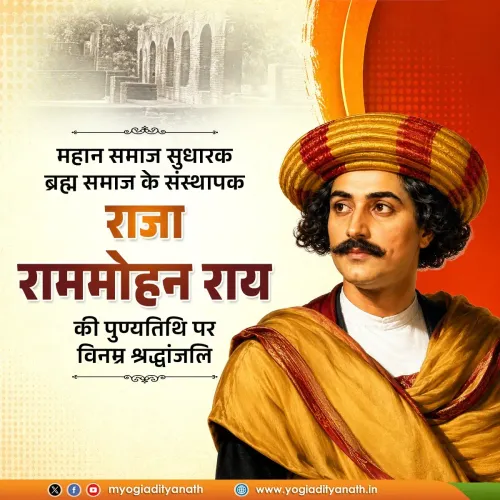
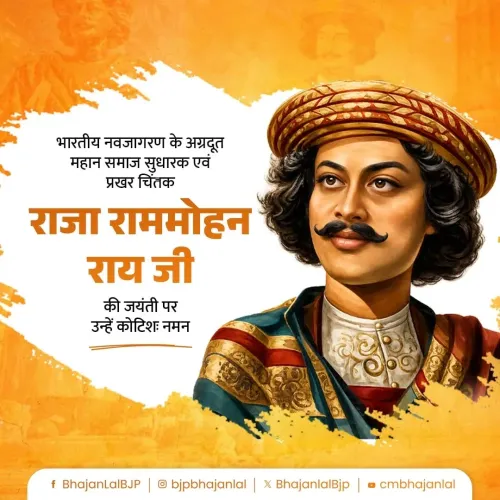
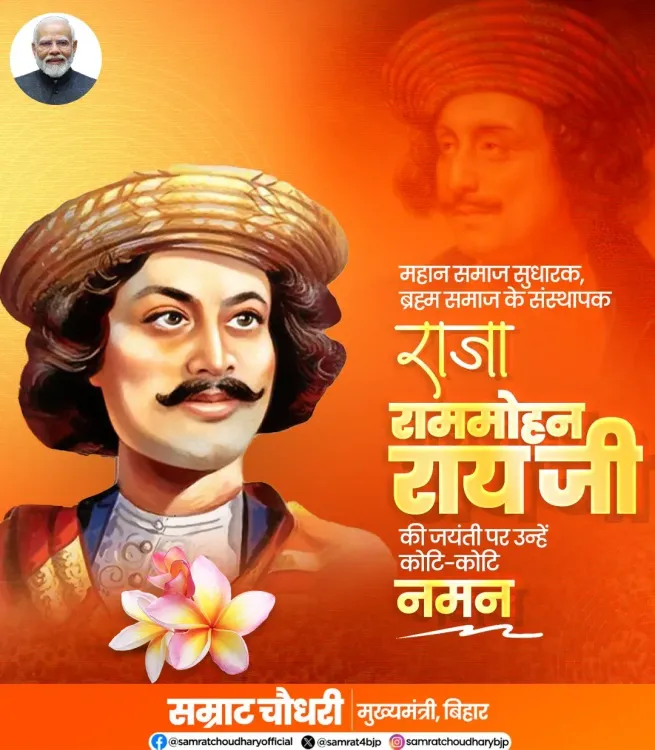
In his post, the Chief Minister offered koti-koti naman (countless salutations) to Raja Ram Mohan Roy, describing him as someone who 'fought against the social evils prevalent in society and paved the way for education, women's empowerment and social equality.' The tribute was accompanied by an image and shared with hashtags including #RajaRamMohanRoy, #BrahmoSamaj and #ModernIndia.
Such commemorations by state leaders on the birth anniversaries of 19th-century reformers have become a recurring feature of Indian political discourse, used to underscore themes of education, gender equity and social modernisation.
Policy Backdrop
Raja Ram Mohan Roy (1772–1833) was a Bengali reformer whose campaigns against sati, child marriage and caste rigidity reshaped colonial-era India. His advocacy directly contributed to the passage of the Bengal Sati Regulation of 1829, which banned the practice under Governor-General Lord William Bentinck.
In 1828, Roy founded the Brahmo Samaj, a Hindu reform movement that promoted monotheism, rational worship and social equality while opposing idolatry. He was also closely associated with the establishment of Hindu College in 1817 in Calcutta, championing modern Western education as a tool of social uplift. His legacy is widely regarded as foundational to the Bengal Renaissance and the broader project of Indian social reform.
Stakeholders and Impact
Roy's historical interventions most directly benefited women and students — two groups whose rights and access to education he placed at the centre of his reform agenda. His insistence on women's property rights, opposition to polygamy and push for female education set precedents that reformers across generations have invoked.
For Bihar, a state with ongoing policy focus on women's education and social welfare, invoking Roy's legacy carries contemporary resonance. Tributes of this kind by ruling-party leaders frequently serve as a symbolic reaffirmation of a government's commitment to social equity goals.
What's Next
Observers will watch whether the Bihar government follows this anniversary tribute with concrete announcements on women's education or social welfare initiatives in the coming months. Commemorations of reformers such as Roy have, in several states, preceded or accompanied scheme launches or policy statements aligned with the reformer's core themes.
As India continues to debate the pace and depth of social reform, the invocation of figures like Raja Ram Mohan Roy by elected leaders signals an intent — at minimum symbolic — to position governance within a long arc of progressive social change.
Point of View
Honouring Roy — a figure associated with rationalism, anti-idolatry and women's rights — reflects the party's broader effort to claim ownership of India's reform heritage beyond its traditional cultural moorings. The tribute's emphasis on education and women's empowerment also dovetails with Bihar's ongoing developmental narrative. Whether the commemoration translates into tangible policy action will be the more telling measure of its significance.
NationPress
5 Oct 2026
Frequently Asked Questions
Who was Raja Ram Mohan Roy?
Raja Ram Mohan Roy (1772–1833) was a Bengali social reformer who founded the Brahmo Samaj in 1828 and led successful campaigns against sati, child marriage and caste discrimination, earning recognition as a key architect of modern India.
Why did Bihar CM Samrat Choudhary pay tribute to Raja Ram Mohan Roy?
Bihar Chief Minister Samrat Choudhary paid tribute on 22 May 2026 to mark Raja Ram Mohan Roy's birth anniversary, honouring his legacy as a social reformer who championed education, women's empowerment and social equality.
What is the Brahmo Samaj?
The Brahmo Samaj is a Hindu reform movement founded by Raja Ram Mohan Roy in 1828 in Calcutta. It promoted monotheism, rational worship and social equality, and opposed idolatry and caste rigidity.
What did Raja Ram Mohan Roy do for women's rights?
Raja Ram Mohan Roy campaigned against sati, child marriage and polygamy, and advocated for women's education and property rights. His efforts directly contributed to the Bengal Sati Regulation of 1829, which banned sati.
What is the significance of Raja Ram Mohan Roy's birth anniversary in India?
Raja Ram Mohan Roy's birth anniversary is observed across India as a reminder of his foundational contributions to social reform, modern education and women's rights. State leaders regularly mark the occasion with tributes that connect his legacy to contemporary governance themes.