CM Conrad Sangma Plants Rhododendron at Upper Shillong Trail
Synopsis
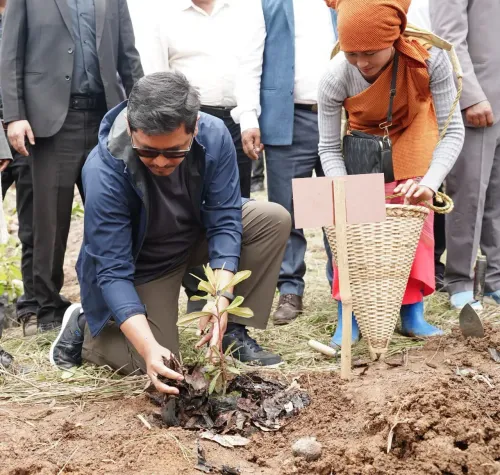
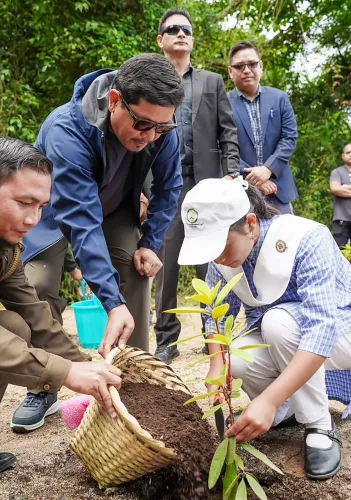
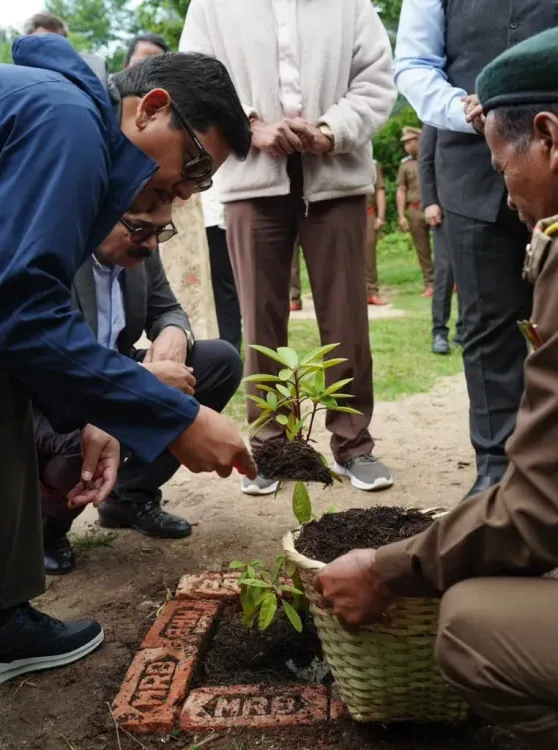
Meghalaya Chief Minister Conrad Sangma planted a Rhododendron tree at the Rhododendron Trail in Upper Shillong on World Environment Day 2026, announcing a student-led plantation drive along the trail and urging citizens to adopt everyday sustainable practices beyond the annual observance.
Key Takeaways
Conrad Sangma planted a Rhododendron tree at the exit point of the Rhododendron Trail, Upper Shillong on 5 June 2026 .
Students will plant rhododendron trees along the entire stretch of the trail to enhance its natural beauty.
The CM called for daily environmental action including recycling, reducing waste, walking, and adopting e-vehicles .
Sangma stressed the need to protect Meghalaya's environmental hotspots for tourists and future generations.
The initiative pairs biodiversity conservation with eco-tourism development, a growing pattern across Northeast India .
Meghalaya Chief Minister Conrad Sangma planted a Rhododendron tree at the exit point of the Rhododendron Trail in Upper Shillong on 5 June 2026, marking World Environment Day with a gesture he described as a contribution to both the environment and the state's tourism sector. Students are set to plant rhododendron trees along the entire stretch of the trail as a follow-up initiative to enhance the trekking experience.
Context
Sangma's tree-planting at the Rhododendron Trail, Upper Shillong comes on World Environment Day, observed globally every 5 June to promote environmental protection and sustainable practices. The Rhododendron Trail is part of Meghalaya's growing eco-tourism infrastructure, situated in the hilly terrain surrounding the state capital Shillong. The Chief Minister stated that the planting was 'a contribution not only to the environment, but also to tourism.'
Sangma also called for broader everyday environmental action, listing steps including recycling, reducing waste, walking when possible, adopting e-vehicles, and caring for one's surroundings. 'Planting a tree should be part of a lasting commitment to sustainability and to Mother Nature,' he wrote, urging citizens to 'recommit to protecting our environment every day, not just on World Environment Day.'
Policy Backdrop
Meghalaya is a biodiversity-rich northeastern state with significant rhododendron habitats and an expanding eco-tourism sector. Northeast India has increasingly paired biodiversity conservation with tourism development as a strategy to generate revenue while limiting ecological damage. Tree-planting drives on World Environment Day form part of recurring state-level campaigns that align with national afforestation targets.
Sangma's emphasis on e-vehicle adoption echoes India's wider policy push toward lower emissions in urban and hill areas. By weaving together conservation language and tourism promotion, the Chief Minister positioned the Rhododendron Trail initiative as a dual-purpose investment — protecting a natural asset while making it more attractive to visitors.
Stakeholders and Impact
Local students are the most immediate participants, tasked with planting rhododendron trees along the full length of the trail. Their involvement frames the initiative as an educational and civic exercise, not merely a ceremonial event. Tourists and trekkers who use the Rhododendron Trail stand to benefit from the enhanced green cover and improved trail aesthetics over time.
Residents living near Upper Shillong and communities dependent on eco-tourism stand to gain if the initiative draws more visitors to the trail. Sangma explicitly called for protecting and preserving 'environmental hotspots so that tourists and future generations can continue to experience the enthralling natural beauty of Meghalaya.'
What's Next
The student plantation drive along the Rhododendron Trail will be a key indicator of whether the initiative moves beyond a single symbolic act. Any state-level announcements expanding protected eco-tourism zones or formalising the trail's status would signal deeper policy commitment. As Meghalaya positions itself as a destination for nature tourism, the long-term upkeep of such trails will determine the real environmental and economic dividend of events like today's planting.
Point of View
The initiative attempts to institutionalise environmental action beyond a single-day event, which is a common criticism of such observances. The e-vehicle reference signals alignment with national emissions-reduction goals, giving the state-level gesture a broader policy resonance. Whether the student drive and trail upkeep are sustained will be the real test of Meghalaya's eco-tourism ambitions.
NationPress
21 Oct 2026
Frequently Asked Questions
What did Conrad Sangma do on World Environment Day 2026?
Conrad Sangma , Chief Minister of Meghalaya, planted a Rhododendron tree at the exit point of the Rhododendron Trail in Upper Shillong on 5 June 2026 and called for a student-led plantation drive along the trail.
Where is the Rhododendron Trail in Meghalaya?
The Rhododendron Trail is located in Upper Shillong , a hilly area near the state capital known for trekking routes and natural landscapes.
What is World Environment Day and when is it observed?
World Environment Day is a global observance held every year on 5 June to encourage awareness and action for the protection of the environment.
What everyday environmental actions did CM Sangma recommend?
Sangma recommended recycling, reducing waste, walking when possible, using e-vehicles , and caring for one's surroundings as meaningful daily steps toward sustainability.
How does Meghalaya connect environment conservation with tourism?
Meghalaya has been developing eco-tourism infrastructure such as the Rhododendron Trail , pairing biodiversity conservation with tourism promotion to generate revenue while protecting natural habitats.