Meghalaya CM Conrad Sangma champions citizen-first governance on World Environment Day
Synopsis
Meghalaya CM Conrad Sangma used World Environment Day not just to inaugurate eco-tourism facilities at Mawrah Lake, but to reframe what governance success means — shifting the spotlight from ribbon-cutting to real community impact. With PES cheques distributed and Miyawaki plantations underway, Mawrah's transformation from a water-scarce village to a conservation model is the state's most concrete proof of concept yet.
Key Takeaways
Meghalaya CM Conrad K.
Sangma addressed a World Environment Day programme at Mawrah village , East Khasi Hills , on 5 June 2025 .
New Eco-Cottages and a Glass House Restaurant at Mawrah Lake were inaugurated as sustainable tourism facilities.
Green Meghalaya cheques were distributed under the Payment for Ecosystem Services (PES) initiative to reward community conservation efforts.
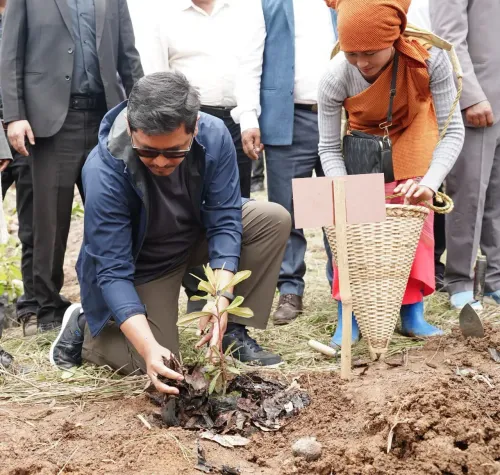
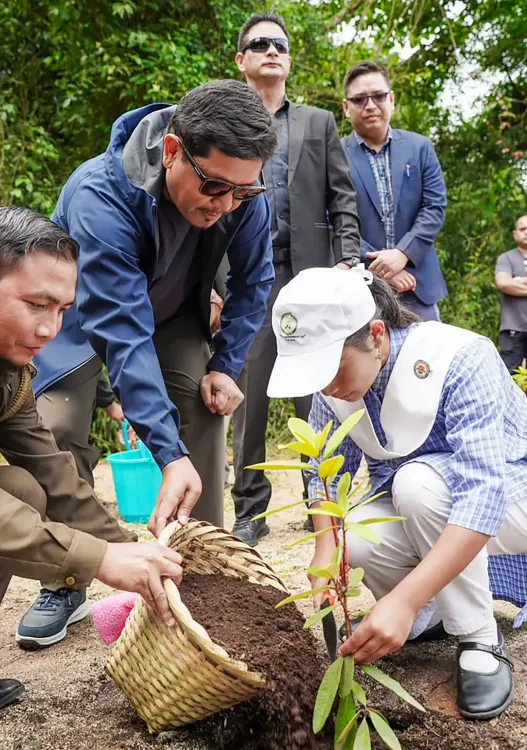
A plantation drive using the Miyawaki afforestation method was conducted for ecological restoration.
Sangma called for tourism establishments to source produce locally and urged communities to set up homestays to retain economic benefits.
Mawrah was cited as a model village, having reversed water scarcity and environmental degradation through community-led conservation.
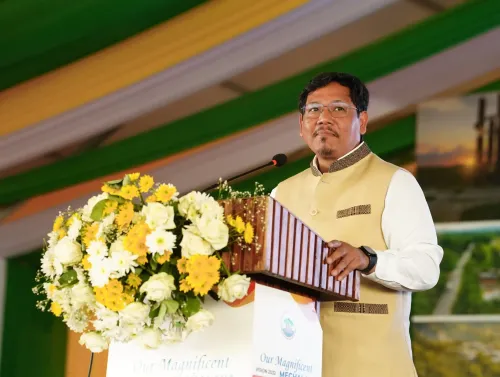
Meghalaya Chief Minister Conrad K. Sangma on Friday, 5 June called for a fundamental shift in how the state measures development, arguing that the true yardstick of governance is not the number of projects inaugurated but the tangible improvement in citizens' lives. He made the remarks while addressing a World Environment Day (WED) programme at Mawrah village in East Khasi Hills district.
Key Developments at Mawrah
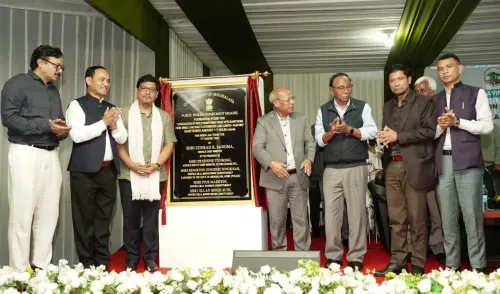
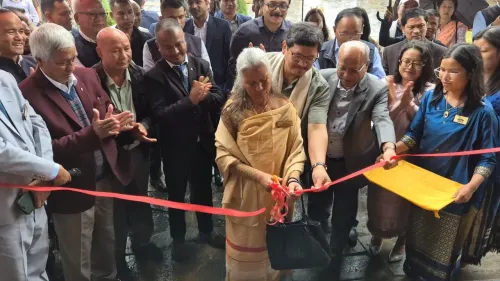
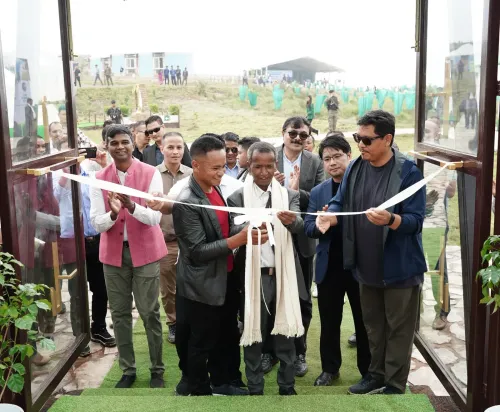
The event, organised by the Tourism Department and the Meghalaya Basin Management Agency (MBMA) under the theme Inspired by Nature, For Climate, For Our Future, saw the inauguration of eco-tourism facilities, including newly developed Eco-Cottages and a Glass House Restaurant at Mawrah Lake. Sangma described the facilities as unique attractions capable of anchoring sustainable tourism while generating livelihood opportunities for local communities.
The programme also featured the distribution of Green Meghalaya cheques under the state's Payment for Ecosystem Services (PES) initiative, which incentivises communities and individuals to conserve ecosystems and manage natural resources sustainably. A plantation drive using the Miyawaki afforestation method was also conducted as part of the ecological restoration effort.
What the Chief Minister Said
Sangma was pointed in his critique of how government success is often measured. 'Success is not measured by inaugurating a reservoir, a restaurant, or a cottage. While those are important milestones, the real measure of success lies in how projects improve people's lives,' he said. He also stressed that government programmes should focus on recognising citizens and communities rather than felicitating public representatives and officials.
On tourism, Sangma said infrastructure alone does not define a destination — experience does. 'The warmth, hospitality, and participation of local communities ultimately determine a destination's success,' he noted, urging residents to establish homestays and tourism-linked enterprises to keep economic benefits within the community.
Mawrah: From Scarcity to Model Village
Sangma highlighted Mawrah's remarkable turnaround — a village that once struggled with water scarcity and environmental degradation has emerged as a model of community-led conservation. Rejuvenation of springs, restoration of vegetation, and construction of water storage infrastructure have collectively transformed it into a replicable example for other villages across the state.
This comes amid a broader push by the Meghalaya government to integrate rural producers into the tourism value chain. Sangma called on tourism establishments to source vegetables, fish, poultry, and other produce locally, strengthening rural economies in the process.
Environment Day Message and Cultural Integration
Marking World Environment Day, Sangma reminded citizens that environmental responsibility cannot be confined to a single day. 'It is not the big actions that matter most, but the small actions each person takes every day that collectively make a difference,' he said. He also advocated greater participation of local artists, musicians, and youth in showcasing Meghalaya's cultural heritage through performances, folklore, and traditional arts.
Senior government officials, local leaders, students, and community members attended the programme. With Mawrah now positioned as a sustainable tourism destination, the state's next challenge will be scaling this model to other ecologically sensitive villages.
Point of View
But the harder test is replication at scale across Meghalaya's ecologically fragile villages. Mawrah's turnaround is compelling precisely because it was community-led; the risk is that top-down scaling dilutes that very quality. If the state can institutionalise the PES incentive structure without bureaucratising it, this could be a meaningful model for India's northeastern hill states.
NationPress
21 Oct 2026
Frequently Asked Questions
What happened at the World Environment Day programme in Mawrah, Meghalaya?
Meghalaya Chief Minister Conrad K. Sangma inaugurated Eco-Cottages and a Glass House Restaurant at Mawrah Lake on 5 June, distributed Green Meghalaya cheques under the Payment for Ecosystem Services initiative, and participated in a Miyawaki plantation drive. The event was organised by the Tourism Department and the Meghalaya Basin Management Agency under the theme 'Inspired by Nature, For Climate, For Our Future'.
What is the Payment for Ecosystem Services (PES) initiative in Meghalaya?
The PES initiative is a state-run programme that incentivises communities and individuals to conserve ecosystems and sustainably manage natural resources through financial rewards, known as Green Meghalaya cheques. It is designed to align economic interests of local communities with environmental conservation goals.
How has Mawrah village transformed into a conservation model?
Mawrah, which once faced water scarcity and environmental degradation, has been revived through spring rejuvenation, vegetation restoration, and water storage infrastructure. CM Sangma cited it as a community-led conservation success that other villages in Meghalaya can replicate.
What is the Miyawaki afforestation method used in Meghalaya?
The Miyawaki method is a dense, fast-growing native forest plantation technique developed by Japanese botanist Akira Miyawaki. In Meghalaya, it is being used as part of ecological restoration and climate resilience drives, including the plantation conducted at Mawrah on World Environment Day.
What did CM Sangma say about tourism and local communities?
Sangma stressed that tourism success depends on community experience, not just infrastructure. He urged residents to set up homestays and tourism enterprises, called on tourism establishments to source produce locally, and encouraged local artists and youth to showcase Meghalaya's cultural heritage.