CM Conrad Sangma Inaugurates Eco-Tourism Cottages at Mawrah
Synopsis
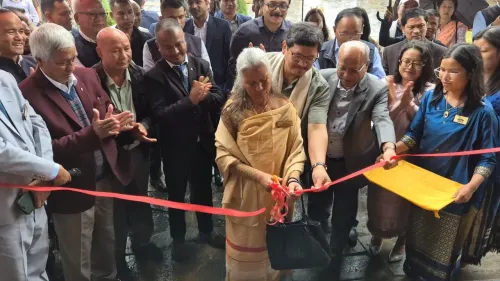
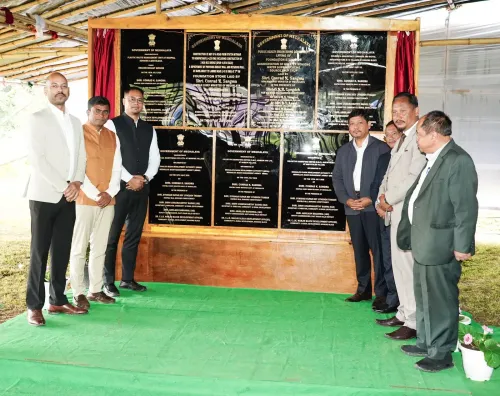
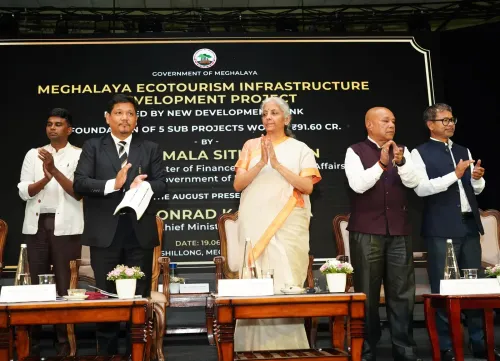
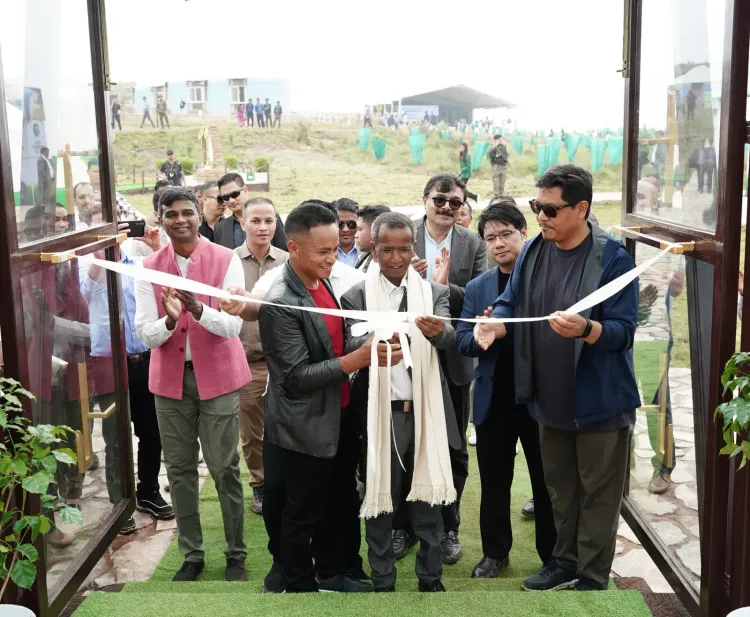
Meghalaya Chief Minister Conrad Sangma on June 5, 2026 inaugurated eco-tourism cottages and a glass restaurant at Mawrah, a village that reversed water scarcity and forest loss through community-driven restoration, now presented as a model for sustainable tourism in the Northeast.
Key Takeaways
Conrad Sangma inaugurated eco-tourism cottages and a unique glass restaurant at Mawrah on June 5, 2026 — World Environment Day.
Mawrah previously faced drying springs, water scarcity, and depleted forests; community and departmental efforts have reversed these conditions.
Water sources have been revived and vegetation cover increased, with tourism now generating local livelihoods.
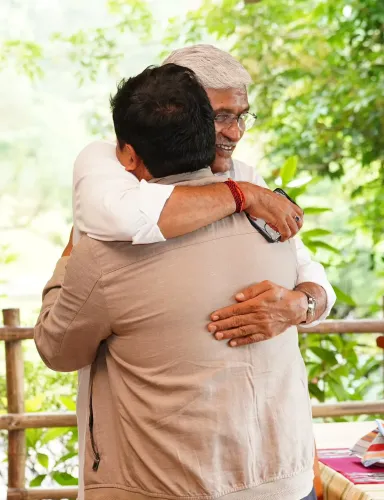
Sangma tagged Union Minister Jyotiraditya Scindia and BJP leader Bhupender Yadav , signalling potential central government involvement or recognition.
The project aligns with Meghalaya's State Tourism Policy and broader Northeast India trends of pairing forest restoration with low-impact tourism infrastructure.
Mawrah is positioned as a replicable model for other ecologically stressed villages in the region.
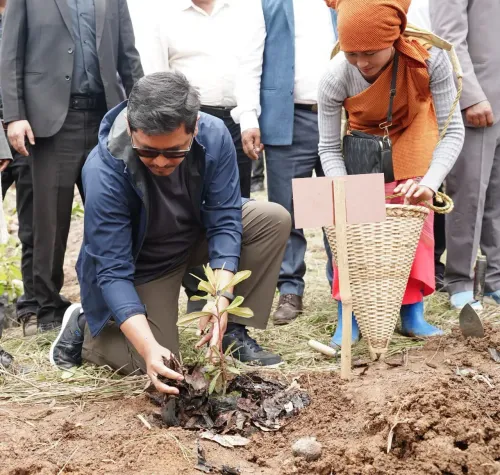
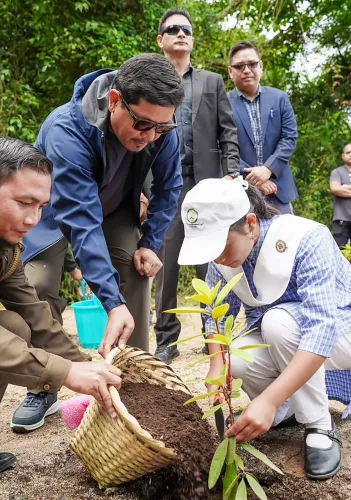
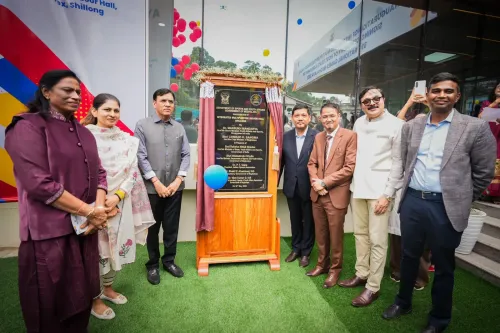
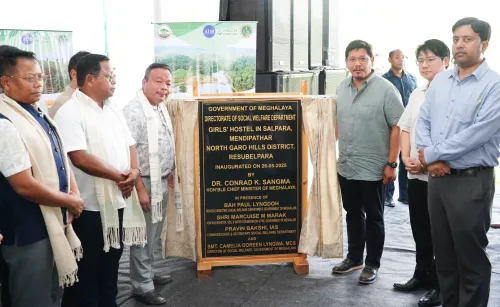
Meghalaya Chief Minister Conrad Sangma on Friday, June 5, 2026 inaugurated eco-tourism cottages and a glass restaurant at Mawrah, marking a milestone in the village's transformation from a settlement battling water scarcity and forest depletion into a model of environmental restoration and sustainable tourism.
Context
Sangma described the inauguration as a moment of community triumph, writing: 'What was once a village struggling with drying springs, water scarcity, and depleted forests is today a model of environmental restoration and sustainable tourism.' The new facilities — eco-tourism cottages and a distinctive glass restaurant — are designed to attract visitors while keeping the ecological footprint low.
The Chief Minister credited 'collective efforts of the community and departments' for reviving water sources, increasing vegetation cover, and creating livelihoods through tourism. His post tagged Union Minister Jyotiraditya Scindia and BJP leader Bhupender Yadav, signalling possible convergence with central government programmes on green infrastructure and sustainable development.
Policy Backdrop
Meghalaya has promoted community-based eco-tourism since the mid-2010s as part of its State Tourism Policy, aiming to revive degraded hill landscapes while generating rural livelihoods. These efforts draw on traditional Khasi and Garo practices of forest stewardship, blending indigenous knowledge with structured government support.
Across the Northeast, states have increasingly paired community-led forest and spring restoration with low-impact tourism infrastructure to address rural distress and biodiversity loss. Mawrah's revival — centred on spring rejuvenation and reforestation — fits squarely within this regional pattern and aligns with central schemes for sustainable development in hill districts.
Stakeholders and Impact
Local communities stand to benefit most directly, with the new tourism infrastructure creating employment and income streams that did not exist when the village faced acute water stress. The glass restaurant and cottages are intended to draw visitors seeking nature-based experiences, channelling tourism revenue back into the community.
The tagging of central ministers in Sangma's post suggests the state may be seeking to position Mawrah as a showcase for national-level funding or recognition under green development and tourism promotion schemes. The inauguration also falls on World Environment Day, lending it additional symbolic weight.
What's Next
Meghalaya's broader tourism master plan envisages rolling out additional eco-tourism sites across its hill districts, and Mawrah could serve as a replicable template for other villages facing similar ecological stress. Any central-state coordination meetings on green tourism infrastructure — particularly involving the ministries tagged by Sangma — will be worth watching for follow-through funding or policy announcements.
The success of Mawrah as a living example of conservation-led development may also strengthen the case for scaling community participation models in other ecologically sensitive parts of the Northeast, where forest cover and freshwater sources remain under pressure.
Point of View
He is signalling an intent to draw national attention and possibly federal funding to the state's community-led green development model. This fits a broader pattern in which Northeastern chief ministers use visible, photogenic infrastructure projects to bridge state-level initiatives with central scheme funding pipelines. If Mawrah's model is formally adopted into a national programme, it could accelerate similar spring-rejuvenation and eco-tourism projects across India's hill districts.
NationPress
19 Sept 2026
Frequently Asked Questions
What did Conrad Sangma inaugurate at Mawrah?
Conrad Sangma inaugurated eco-tourism cottages and a glass restaurant at Mawrah, a village in Meghalaya, on June 5, 2026.
Where is Mawrah village located?
Mawrah is a village in Meghalaya, a hill state in Northeast India known for its Khasi community and biodiversity-rich landscapes.
What problems did Mawrah village face before the restoration?
Mawrah previously struggled with drying springs, acute water scarcity, and depleted forests, according to Chief Minister Conrad Sangma's account of the village's transformation.
Why did Conrad Sangma tag central ministers in his post about Mawrah?
Sangma tagged Union Minister Jyotiraditya Scindia and BJP leader Bhupender Yadav, likely to signal potential central government interest or coordination on green tourism and sustainable development funding.
What is Meghalaya's approach to eco-tourism?
Meghalaya has promoted community-based eco-tourism since the mid-2010s under its State Tourism Policy, combining traditional Khasi and Garo forest stewardship practices with structured government support to restore degraded landscapes and generate rural livelihoods.