CM Sarma Backs CM-FLIGHT Scheme to Send Assam Youth Abroad
Synopsis
Assam CM Himanta Biswa Sarma met the inaugural batch of 140 CM-FLIGHT trainees learning Japanese and pledged to expand the scheme, which offers up to ₹1 lakh to youth from rural Assam seeking foreign language skills for international employment.
Key Takeaways
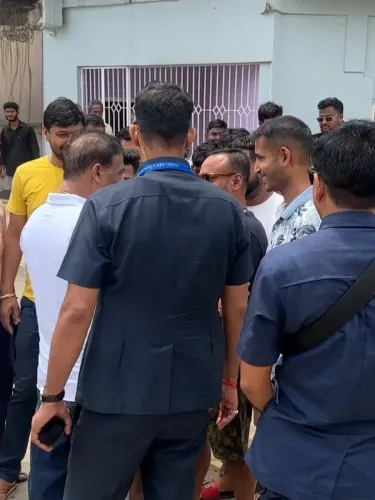
Assam CM Himanta Biswa Sarma met the first batch of CM-FLIGHT trainees on 5 July 2026 , who are undergoing Japanese language training .
The current cohort has 140 trainees , many from rural villages with no prior tradition of overseas travel.
The Government of Assam offers up to ₹1 lakh per candidate to cover foreign language skill acquisition under the scheme.
CM Sarma announced plans to 'significantly expand' the programme, citing encouraging early results.
The initiative aligns with India's Act East Policy and existing bilateral labour arrangements with Japan in sectors such as caregiving and manufacturing.
Assam politician Biswajit Daimary is associated with the programme's on-ground implementation.
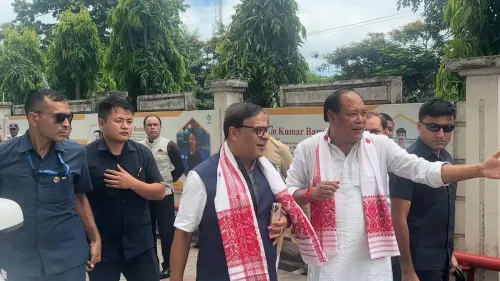
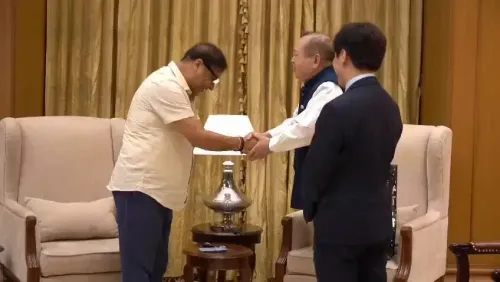
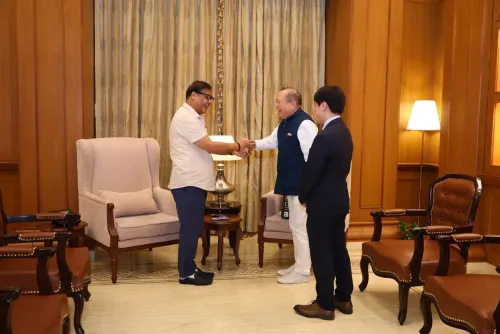
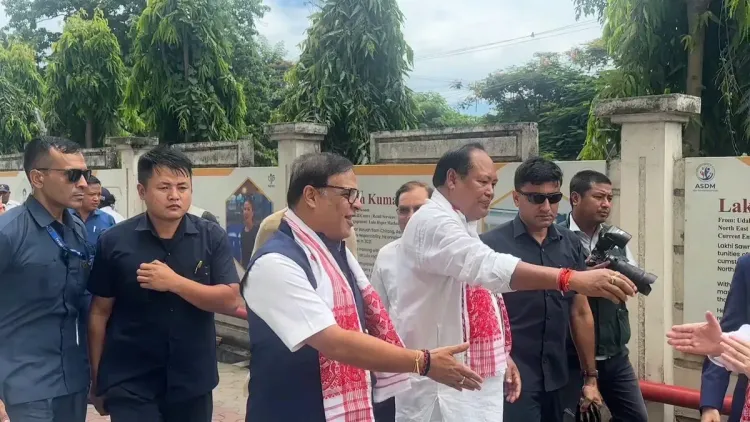
Assam Chief Minister Himanta Biswa Sarma on Sunday, 5 July 2026, expressed strong personal commitment to the state's CM-FLIGHT scheme, meeting the first batch of trainees undergoing Japanese language training and pledging a significant expansion of the programme aimed at opening international employment pathways for Assam's youth.
Context
In his post, CM Sarma described his interaction with the inaugural CM-FLIGHT cohort as one he 'thoroughly enjoyed', noting that 'many of them come from villages where no one has ever travelled abroad.' The remark underscores the scheme's reach into rural Assam, where access to international mobility has historically been limited. The Chief Minister tagged Biswajit Daimary, an Assam politician associated with the programme's implementation.
The current batch comprises 140 trainees learning Japanese, supported by a government grant of up to ₹1 lakh per candidate to cover foreign language skill acquisition. Sarma stated the aim is to 'significantly expand this scheme, as the results are very encouraging.'
Policy Backdrop
CM-FLIGHT — short for a foreign language and international training initiative run by the Government of Assam — sits within a broader, decade-long effort by the state to channel its youth into global labour markets, particularly in East and Southeast Asia. Assam has been building on national frameworks, including India's Act East Policy, and existing bilateral arrangements between India and Japan that facilitate the movement of trained workers in sectors such as caregiving and manufacturing.
Several other north-eastern states have launched comparable language-training schemes in recent years, but Assam's programme stands out for its explicit per-trainee financial support and its focus on first-generation international travellers from rural households. The ₹1 lakh grant is designed to remove the cost barrier that typically prevents economically weaker candidates from pursuing language courses at private institutes.
Stakeholders and Impact
The immediate beneficiaries are the 140 trainees in the current Japanese-language cohort, a majority of whom, according to the Chief Minister, hail from villages with no prior tradition of overseas migration. Successful placement in Japan — in sectors such as nursing care, hospitality, or light manufacturing — could translate into remittances that meaningfully supplement rural household incomes in Assam.
Beyond individual trainees, the scheme has implications for Assam's broader demographic dividend. The state has a young population and faces pressure to create economic opportunities; routing skilled youth to international markets reduces domestic employment stress while building a diaspora network. Japanese employers and institutions engaged under bilateral labour arrangements are the principal international stakeholders watching placement outcomes from this first cohort.
What's Next
The Chief Minister's announcement of a planned expansion means future batches are likely to be substantially larger than the current 140, though specific timelines and target numbers were not detailed in the post. Observers will watch for new memoranda of understanding with Japanese training institutions or employers, as well as the placement record of the inaugural cohort once their language training concludes.
The scheme's trajectory will also be a test of whether state-level international skilling programmes can deliver measurable outcomes for rural youth — a metric that could influence similar initiatives across the North-East and inform national policy on overseas employment facilitation.
Point of View
Particularly toward Japan. By spotlighting first-generation international travellers from rural villages, he frames a state welfare programme as a social-mobility story — politically potent in a state where agrarian distress and youth unemployment remain live issues. The scheme also reinforces NEDA's broader narrative that the BJP-led north-east is delivering tangible development dividends, not just electoral consolidation. Placement outcomes for the current 140 trainees will determine whether CM-FLIGHT becomes a replicable model or remains a well-intentioned pilot.
NationPress
5 Jul 2026
Frequently Asked Questions
What is the CM-FLIGHT scheme in Assam?
CM-FLIGHT is an Assam government initiative that provides up to ₹1 lakh in financial support to young people seeking foreign language training — currently Japanese — to improve their chances of securing international employment opportunities.
How many trainees are in the first CM-FLIGHT batch?
The current batch has 140 trainees who are undergoing Japanese language training , according to CM Himanta Biswa Sarma's post on 5 July 2026.
Why is Assam focusing on Japanese language training for youth?
Japan has active bilateral labour arrangements with India for trained workers in sectors such as caregiving and manufacturing. Japanese language proficiency is a prerequisite for most of these placements, making it a direct pathway to international employment for Assam's youth.
Who is Biswajit Daimary and what is his role in CM-FLIGHT?
Biswajit Daimary is an Assam politician tagged by CM Sarma in the post, indicating an association with the on-ground implementation or oversight of the CM-FLIGHT programme.
Will the CM-FLIGHT scheme be expanded?
Yes. CM Himanta Biswa Sarma stated on 5 July 2026 that the government aims to 'significantly expand' the scheme beyond the current batch of 140, though specific numbers and timelines were not announced.