CM Sawant Backs Special Intensive Revision of Electoral Rolls
Synopsis
Goa Chief Minister Pramod Sawant endorsed the Special Intensive Revision (SIR) of electoral rolls on October 8, 2026, arguing that removing duplicate, deceased, and ineligible voter entries is essential to upholding the equal-value principle of Indian democracy.
Key Takeaways
Goa CM Pramod Sawant publicly backed the Special Intensive Revision (SIR) of electoral rolls on October 8, 2026 .
The SIR targets duplicate entries, names of deceased persons, and other ineligible registrations on voter rolls.
Sawant anchored his support in the constitutional principle of 'one citizen, one vote' — equal value for every eligible voter's ballot.
The process is designed to simultaneously fix errors of omission (missing eligible voters) and commission (ineligible names on rolls).
The Chief Minister called accurate electoral rolls the foundation of free and fair elections in India.
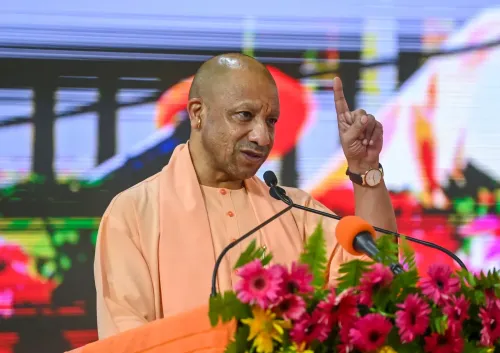
Electoral integrity is not just a procedural matter — it is the bedrock on which every democratic mandate rests. Goa Chief Minister Pramod Sawant stepped into that debate on Thursday, October 8, 2026, lending his voice to the Special Intensive Revision (SIR) process, calling it a necessary safeguard for the principle of 'one citizen, one vote.'
What the SIR Process Actually Does
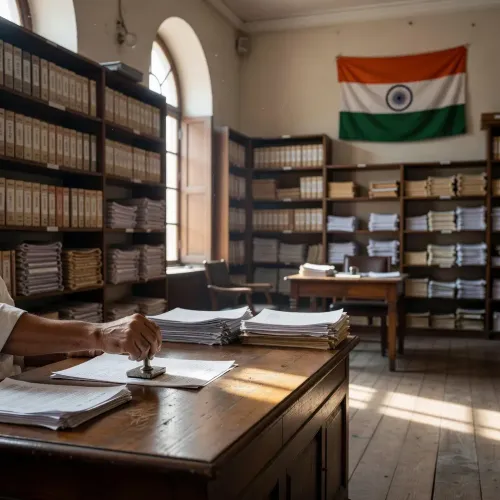
The Special Intensive Revision is a targeted exercise designed to clean up electoral rolls — identifying duplicate entries, removing names of deceased or otherwise ineligible persons, and ensuring that no eligible voter gets left out in the process. CM Sawant framed it in stark terms: 'Duplicate or incorrect entries can affect the accuracy and integrity of electoral rolls.' The logic is direct. A bloated or inaccurate roll does not just create administrative headaches — it creates openings for the weight of a legitimate vote to be diluted or manipulated.
The Chief Minister pointed to three specific fault lines the SIR is meant to address: duplicate registrations, names of deceased voters that linger on rolls, and any irregularity that could compromise a valid citizen's vote. Each of these, left unaddressed, chips away at the equal-value guarantee that democratic elections promise.
The Principle Behind the Push
'One Citizen. One Vote. One Democratic Mandate.' Sawant's framing was deliberate and constitutional in its resonance. The equal-value principle — that every eligible voter's ballot carries the same weight — is foundational to free and fair elections. When rolls carry ghost entries or duplicates, that equality is not just theoretical; it becomes practically suspect.
The SIR is not a new concept in Indian election administration — intensive revision exercises have periodically been conducted by electoral authorities to maintain roll hygiene. What makes Sawant's public endorsement notable is the political signal it sends: a sitting Chief Minister actively championing the process at a time when voter roll accuracy is a live national conversation.
Why This Moment Matters
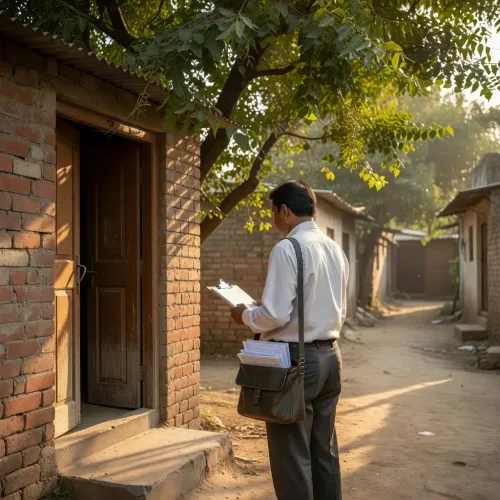
Electoral roll quality has long been a pressure point in Indian democracy. Errors of omission — eligible voters missing from rolls — and errors of commission — ineligible names remaining — create two distinct categories of grievance, and both undermine public trust. The SIR aims to close both gaps simultaneously through intensive on-ground verification rather than passive, routine updates.
Sawant's post closes on a clean thesis: 'Accurate Electoral Rolls. Equal Value of Every Vote. SIR strengthens the foundation of free and fair elections.' It is a position that is hard to argue against in principle — the question, as always in electoral politics, will be whether execution matches intent.
Point of View
One vote' framing is constitutionally unassailable, but the political valence of SIR exercises has historically generated friction between ruling parties and opposition groups who worry about selective deletions. Sawant's intervention attempts to pre-empt that narrative by centering the discourse on principle rather than process. How the SIR is ultimately conducted in Goa will determine whether this post reads as statesmanship or positioning.
NationPress
9 Oct 2026
Frequently Asked Questions
What is the Special Intensive Revision (SIR) of electoral rolls?
The Special Intensive Revision (SIR) is an intensive verification exercise conducted by electoral authorities to identify and remove duplicate, incorrect, and ineligible entries from voter rolls, while ensuring no eligible voter is excluded.
Why did Goa CM Pramod Sawant back the SIR process?
CM Sawant backed the SIR process arguing that accurate electoral rolls are essential to upholding the democratic principle of 'one citizen, one vote,' ensuring every eligible citizen's vote carries equal value.
How does a duplicate entry on an electoral roll affect elections?
Duplicate or incorrect entries can compromise the integrity of electoral rolls, potentially enabling fraudulent voting and diluting the equal weight that every legitimate citizen's vote should carry.
What happens to names of deceased persons on voter rolls in India?
Names of deceased or otherwise ineligible persons remaining on electoral rolls create discrepancies that must be identified through due verification processes like the SIR and removed to maintain roll accuracy.
Does the SIR process risk removing valid voters from electoral rolls?
The SIR is designed to protect eligible voters from exclusion while removing ineligible entries — its stated goal is to address both errors of omission and commission through intensive on-ground verification.