CM Sawant Backs SIR Drive, Hits Back at Opposition Over Electoral Rolls
Synopsis
Goa Chief Minister Pramod Sawant backed the Election Commission's Special Intensive Revision drive on October 28, 2026, calling opposition criticism 'baseless' and framing electoral-roll accuracy as central to the BJP's Mission2027 campaign ahead of Goa's 2027 assembly elections.
Key Takeaways
Goa Chief Minister Pramod Sawant publicly defended the Special Intensive Revision (SIR) of electoral rolls on October 28, 2026 .
Sawant described opposition criticism of the process as 'baseless accusations.' The post was made under the #Mission2027 hashtag, flagging the BJP's election-readiness focus ahead of Goa's 2027 assembly elections .
The Election Commission of India uses SIR exercises to identify and remove ineligible entries from voter lists across states.
Similar disputes over voter-list revisions have occurred in Bihar , Maharashtra , and West Bengal , reflecting a recurring national pattern.
BJP National President Nitin Nabin was invoked in the post, signalling national party alignment with Goa's electoral drive.
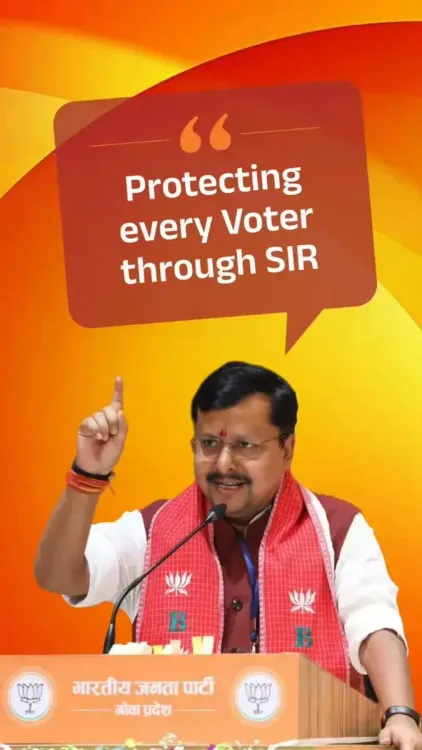
A clean electoral roll is the foundation of a clean democracy — and Goa Chief Minister Pramod Sawant is firmly planting his flag on that argument. On Wednesday, October 28, 2026, Sawant took to X to defend the Special Intensive Revision (SIR) exercise conducted by the Election Commission of India, calling opposition criticism of the process 'baseless' and invoking the backing of BJP National President Shri Nitin Nabin under the party's #Mission2027 campaign.
Sawant posted: 'SIR has helped improve electoral roll accuracy by identifying and removing ineligible entries, yet the process continues to face baseless accusations from the opposition.'
What SIR Does — and Why It Sparks Fights
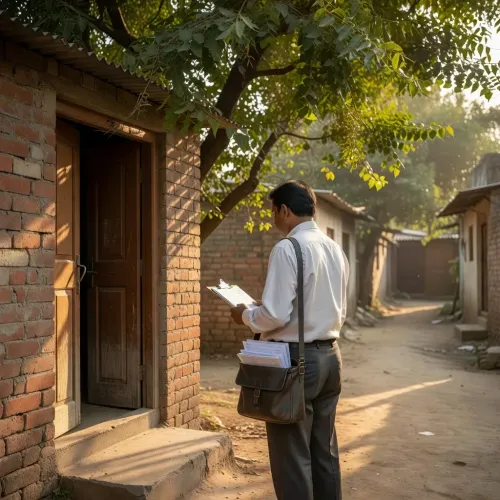
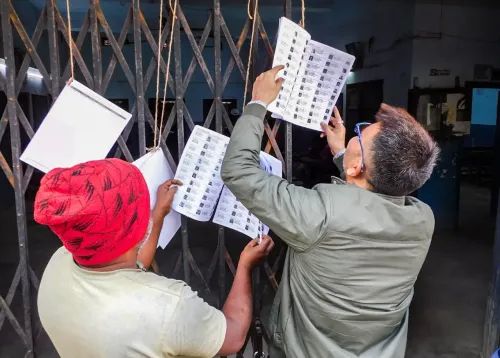
The Special Intensive Revision is an Election Commission of India mechanism for a ground-level audit of voter lists — door-to-door enumeration, cross-checking eligibility, and pruning duplicates or ghost entries. The ECI has deployed SIR drives across multiple states in the run-up to major elections, framing them as routine electoral hygiene. But routine, in Indian politics, is rarely quiet. Ruling parties consistently argue these drives strengthen integrity; opposition parties just as consistently allege that the deletions are surgical and partisan — that their supporters bear a disproportionate share of the removals. The script has played out in Bihar, Maharashtra, and West Bengal during pre-election roll revisions, and now it is Goa's turn.The Mission2027 Framing
Sawant's post is tagged #Mission2027 — a direct reference to Goa's next state assembly elections due in 2027. That hashtag does real political work here: it signals that the BJP in Goa is treating electoral-roll accuracy not just as an administrative matter but as a strategic pillar of its election-readiness campaign. By invoking BJP National President Nitin Nabin, Sawant is also projecting national party alignment behind Goa's local electoral machinery — a show of organisational unity ahead of what promises to be a fiercely contested cycle.Opposition's Counter and What Comes Next
The opposition's core charge — that SIR-led deletions selectively target voters likely to back rival parties — is a live and serious allegation in Indian democratic discourse, even if Sawant flatly rejects it as 'baseless.' The Election Commission of India remains the constitutional arbiter of roll accuracy, and its processes are subject to challenge through formal objection windows open to all parties. With 2027 on the horizon, every revision cycle will be scrutinised. Whether Goa's SIR exercise withstands independent scrutiny — or fuels further political fire — will depend on the transparency of the ECI's enumeration data and the opposition's willingness to contest deletions through official channels rather than social-media sparring alone. The voter list is being written. The political battle over who belongs on it has already begun.Point of View
He frames administrative electoral work as political mission rather than bureaucratic routine. The 'baseless accusations' framing is a pre-emptive shield — if deletions are later challenged in court or the press, the party has already staked its narrative. India's broader SIR controversy reflects a structural tension: the ECI's roll-revision powers are legitimate and necessary, but the opacity of deletion criteria creates fertile ground for opposition claims of voter suppression. The side that controls the evidentiary argument about who was deleted and why will likely control the dominant narrative heading into 2027.
NationPress
28 Oct 2026
Frequently Asked Questions
What is Special Intensive Revision (SIR) of electoral rolls?
Special Intensive Revision is an Election Commission of India exercise in which field officials conduct door-to-door surveys to verify voter eligibility, add new eligible voters, and remove ineligible or duplicate entries from the voter list.
Why is the SIR process controversial in India?
While the ECI presents SIR as routine electoral maintenance, opposition parties in multiple states have alleged that voter deletions disproportionately affect their supporters, raising concerns about selective disenfranchisement before elections.
What is BJP's Mission2027 in Goa?
Mission2027 is the BJP's campaign branding in Goa aimed at winning the state assembly elections due in 2027, with electoral preparedness — including voter list accuracy — cited as a key pillar.
What did Goa CM Pramod Sawant say about the electoral roll revision?
Sawant stated on October 28, 2026 that SIR has helped improve electoral roll accuracy by identifying and removing ineligible entries, and called opposition criticism of the process 'baseless accusations.'
When are the next Goa assembly elections?
Goa's next state assembly elections are scheduled for 2027 , and both the ruling BJP and opposition parties are already manoeuvring over electoral roll revisions in the run-up to the polls.