CM Sawant Engages NITI Aayog on Goa Development
Synopsis
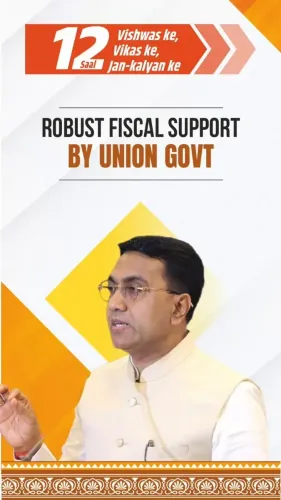
Goa Chief Minister Pramod Sawant replied to NITI Aayog on 18 July 2026, sharing images in what appears to be an official state-centre policy exchange. The interaction reflects ongoing cooperative federalism between BJP-governed Goa and India's premier policy think tank, with implications for state development rankings and scheme implementation.
Key Takeaways
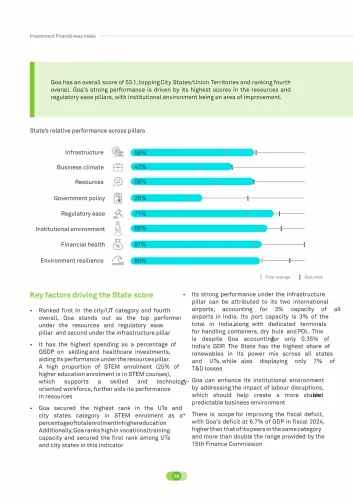
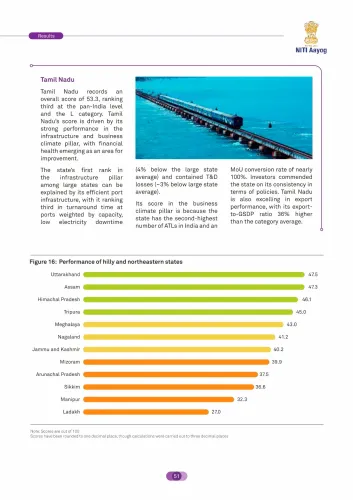
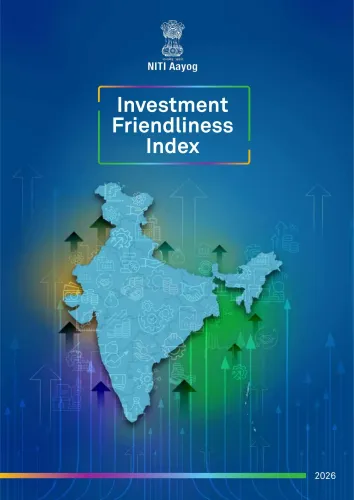
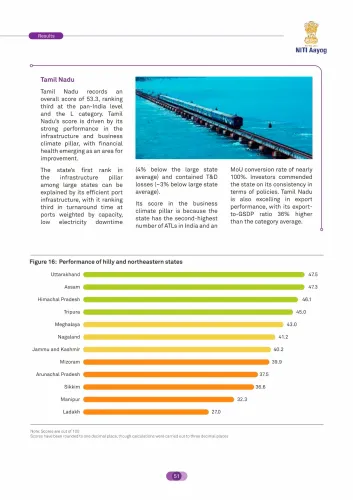
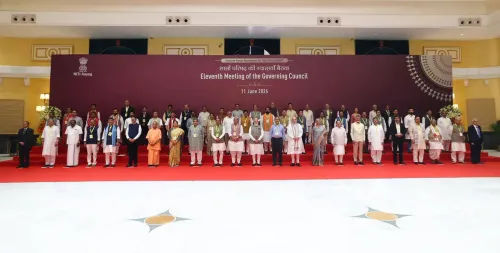
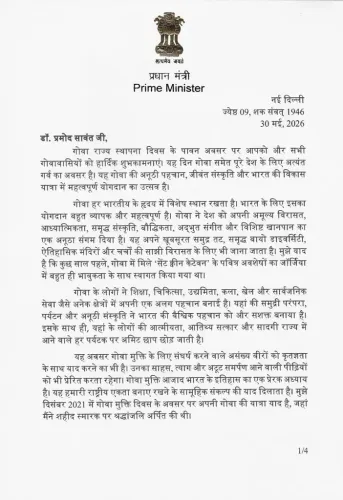
Goa Chief Minister Pramod Sawant replied to NITI Aayog on 18 July 2026 , sharing two images in an official exchange.
NITI Aayog , established in 2015 , serves as the Government of India's premier policy think tank replacing the Planning Commission.
Such state-centre exchanges typically relate to SDG tracking , development indices, or feedback on centrally sponsored schemes.
CM Sawant has led Goa since 2019 , maintaining active coordination with central bodies under the cooperative federalism framework.
The next NITI Aayog Governing Council meeting or release of state-level development reports will be a key milestone to watch.
Goa Chief Minister Pramod Sawant replied to NITI Aayog on Saturday, 18 July 2026, sharing images in what appears to be an official exchange between the state government and the Centre's premier policy think tank.
Context
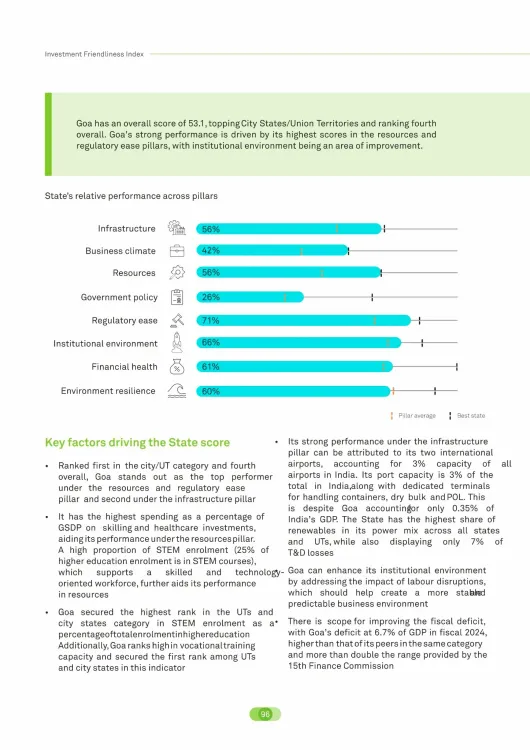
CM Sawant's reply to NITI Aayog's official handle, accompanied by two images, signals an active communication channel between the Goa government and the national policy body. While the specific content of the images has not been independently detailed, such exchanges typically accompany data submissions, feedback on national rankings, or responses to scheme-level queries. The post was made at 1:09 PM IST on a Saturday, suggesting a degree of urgency or responsiveness in the state's engagement.
Policy Backdrop
NITI Aayog was established in 2015 to replace the Planning Commission, with a core mandate of promoting cooperative federalism through structured engagement with state governments. Since its inception, it has rolled out frameworks including Sustainable Development Goal (SDG) tracking, aspirational district programmes, and state-level development indices that rank and benchmark performance across India's 28 states and 8 Union Territories.
Goa, a small western coastal state with an economy anchored in tourism, mining, and ports, has consistently participated in these national assessment frameworks. BJP-governed states, including Goa under CM Sawant since 2019, have maintained regular dialogue with NITI Aayog on performance metrics and scheme implementation, reflecting a pattern of central-state coordination under the current federal arrangement.
Stakeholders and Impact
The primary stakeholders in this exchange are the Goa state government, its administrative machinery, and central policymakers at NITI Aayog. Outcomes from such engagements can influence the state's positioning in national development indices, allocation priorities under centrally sponsored schemes, and the framing of state-specific recommendations in policy documents. For Goa's residents, particularly those in sectors tied to infrastructure, social services, or aspirational district initiatives, the results of such coordination can translate into on-ground programme delivery.
Broader civil society groups, think tanks, and state-level planners also watch these interactions closely, as NITI Aayog's assessments often set the agenda for inter-ministerial discussions and budget-linked performance reviews.
What's Next
Attention will now turn to the next NITI Aayog Governing Council meeting or the release of updated state-level SDG or development reports, where Goa's standing and any submissions made through this exchange may become publicly visible. CM Sawant's proactive engagement with the think tank ahead of such milestones could position Goa favourably in forthcoming performance assessments. Continued central-state dialogue of this nature underscores the importance of real-time coordination between state capitals and New Delhi in shaping India's development roadmap.
Point of View
Accompanied by images, fits a well-established pattern of BJP-governed states using visible digital engagement with central institutions to signal administrative responsiveness. Such interactions carry strategic weight beyond the immediate exchange, as NITI Aayog's assessments feed into performance-linked funding and national rankings. For a small state like Goa, proactive participation in these frameworks can yield outsized influence relative to its size. The timing on a weekend further suggests this was driven by a specific policy prompt or deadline rather than routine communication.
NationPress
18 Jul 2026
Frequently Asked Questions
Why did Goa CM Pramod Sawant reply to NITI Aayog?
Goa CM Pramod Sawant replied to NITI Aayog on 18 July 2026, sharing images in what appears to be an official exchange on state development, likely related to data submissions, scheme feedback, or national development rankings.
What is NITI Aayog and what does it do?
NITI Aayog is the Government of India's premier policy think tank, established in 2015 to replace the Planning Commission. It promotes cooperative federalism, tracks SDG progress, and benchmarks state-level development performance.
How does Goa engage with NITI Aayog?
Goa participates in NITI Aayog's national assessment frameworks including SDG tracking and development indices. The state government regularly submits data and feedback as part of central-state coordination under the cooperative federalism model.
What impact do NITI Aayog interactions have on Goa?
Engagement with NITI Aayog can influence Goa's positioning in national development indices, scheme allocations, and policy recommendations, ultimately affecting infrastructure, social services, and programme delivery for residents.
When is the next NITI Aayog Governing Council meeting?
The exact date of the next NITI Aayog Governing Council meeting has not been officially announced. Such meetings are typically convened by the Prime Minister and bring together all state Chief Ministers to review national development priorities.