CM Sawant Backs Modi's 12-Year 'India First' Foreign Policy
Synopsis
Goa Chief Minister Pramod Sawant marked 12 years of Prime Minister Narendra Modi's 'India First' foreign policy on 19 June 2026, highlighting India's global role in healthcare, humanitarian aid and development diplomacy under the spirit of Vasudhaiva Kutumbakam.
Key Takeaways
Goa CM Pramod Sawant posted on 19 June 2026 backing the #12YearsOfIndiaFirst campaign celebrating PM Narendra Modi 's foreign policy record.
India's Vaccine Maitri initiative supplied COVID-19 vaccines to over 150 countries since 2020 , a flagship example of health diplomacy cited in the broader campaign narrative.
The Neighbourhood First policy, launched in 2014 , deepened connectivity and aid ties with India's immediate neighbours.
India's G20 presidency in 2023 used Vasudhaiva Kutumbakam as its official theme, a phrase Sawant invoked directly in his post.
India's multi-alignment diplomacy positions New Delhi as a bridge between the Global North and Global South on health, climate and digital issues.
Upcoming BRICS and SCO summits are the next test for India's health and digital diplomacy commitments.
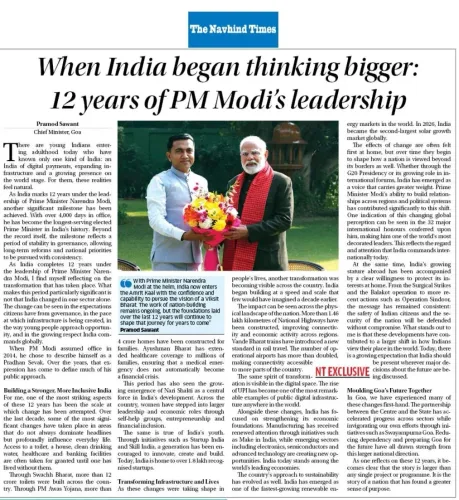
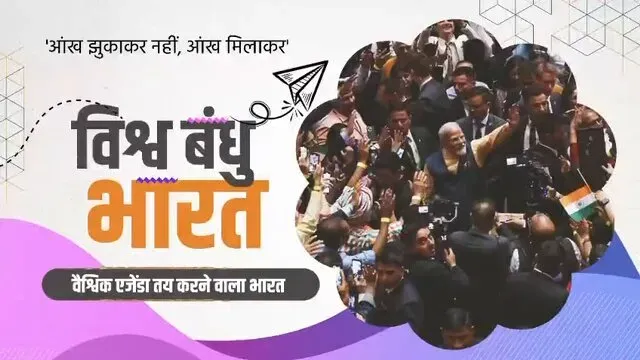
Goa Chief Minister Pramod Sawant on Friday, 19 June 2026, took to X to mark what the #12YearsOfIndiaFirst campaign frames as a decade-plus of Prime Minister Narendra Modi's foreign policy vision, crediting the BJP-led government with elevating India's global standing in healthcare, humanitarian assistance, development partnerships and diplomacy.
Context
Sawant's post arrives as the ruling Bharatiya Janata Party (BJP) marks 12 years of the Modi government's 'India First' doctrine — a foreign-policy posture that, since May 2014, has emphasised strategic autonomy, multi-alignment and an expanded role for India as a provider of global public goods. The Chief Minister wrote: 'A confident, compassionate and self-reliant India is leading with trust, partnership and the spirit of Vasudhaiva Kutumbakam [the world is one family].'
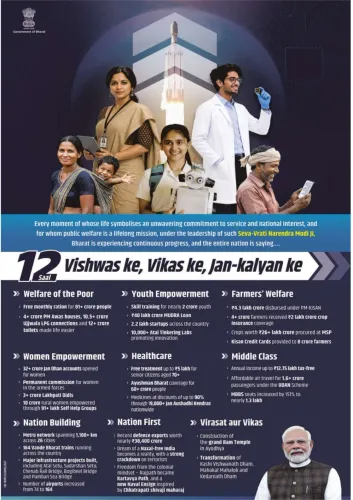
The hashtag #12YearsOfIndiaFirst signals a coordinated party-wide messaging effort, with BJP leaders at the state level amplifying the central government's foreign-policy narrative ahead of upcoming multilateral engagements.
Policy Backdrop
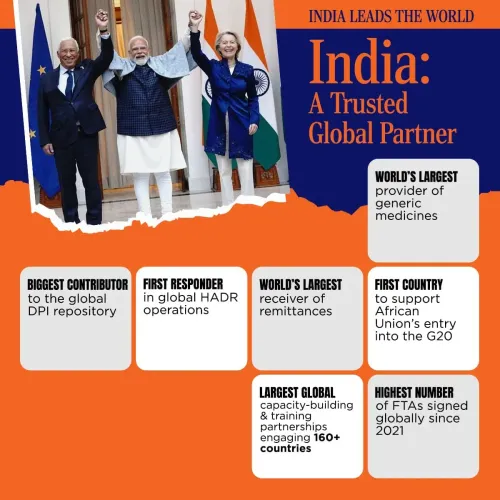
The 'India First' framework has translated into several concrete initiatives over the past 12 years. The Neighbourhood First policy, prioritised from 2014, deepened connectivity and development assistance with immediate neighbours. The Vaccine Maitri initiative, launched in 2020, supplied Indian-manufactured COVID-19 vaccines to more than 150 countries, cementing India's identity as a humanitarian partner.
India's G20 presidency in 2023 adopted Vasudhaiva Kutumbakam — a phrase drawn from ancient Sanskrit philosophy — as its official theme, reflecting the government's effort to blend soft-power cultural narratives with hard-power multilateral ambitions. Sawant's invocation of the same phrase directly echoes that diplomatic branding.
India has simultaneously pursued a 'multi-alignment' approach, maintaining ties with Washington, Moscow and Beijing while expanding its voice in forums representing the Global South. This has positioned New Delhi as a bridge between the Global North and developing economies on issues ranging from climate finance to digital infrastructure.
Stakeholders and Impact
The primary beneficiaries of India's expanded development diplomacy have been Global South nations across Africa, South Asia and Southeast Asia, which have received vaccines, lines of credit and technical assistance under various bilateral and multilateral frameworks. India's pharmaceutical industry — centred on Pune and Hyderabad — has been a direct instrument of this health diplomacy.
Domestically, the '12 Years of India First' campaign reinforces BJP's electoral narrative that Modi's tenure has restored India's prestige abroad. For Goa, a state with a significant tourism economy and cross-border cultural ties to Portugal and the wider Lusophone world, alignment with a confident foreign-policy posture carries both symbolic and economic resonance.
What's Next
Attention will now turn to India's participation in upcoming BRICS and Shanghai Cooperation Organisation (SCO) summits, where New Delhi is expected to advance new health diplomacy and digital-infrastructure partnership proposals. Any announcements on fresh lines of credit, vaccine-technology transfers or South-South cooperation frameworks will be seen as tangible deliverables underpinning the 'India First' anniversary messaging.
As India consolidates its identity as a trusted global partner, the pressure will grow to translate the philosophical promise of Vasudhaiva Kutumbakam into durable institutional commitments — a test that will define the next chapter of the country's foreign-policy ambitions.
Point of View
Making the foreign-policy record feel both ancient and modern. The '12 Years' framing also serves a domestic purpose, signalling continuity and confidence ahead of any electoral cycle. The real measure, however, will be whether India's multilateral commitments at BRICS and SCO translate into concrete deliverables that match the scale of the soft-power rhetoric.
NationPress
20 Sept 2026
Frequently Asked Questions
What is India's 'India First' foreign policy?
'India First' is the guiding foreign-policy doctrine of the Modi government since 2014, prioritising India's national interest while expanding its role as a global partner in health, development and diplomacy through frameworks like Neighbourhood First and Vaccine Maitri.
What is Vasudhaiva Kutumbakam and why does India use it?
Vasudhaiva Kutumbakam is a Sanskrit phrase meaning 'the world is one family.' India adopted it as the official theme of its G20 presidency in 2023 to project an inclusive, philosophy-rooted vision of global governance.
What was India's Vaccine Maitri initiative?
Vaccine Maitri was an Indian humanitarian initiative launched in 2020 that supplied COVID-19 vaccines manufactured in India to more than 150 countries, positioning India as a global health partner.
Why is Goa CM Pramod Sawant commenting on foreign policy?
As a senior BJP leader, Sawant is participating in a coordinated party campaign — #12YearsOfIndiaFirst — in which BJP leaders at state and national levels simultaneously amplify the central government's foreign-policy record.
What are India's next big diplomatic events in 2026?
India is expected to engage at upcoming BRICS and SCO summits, where new health diplomacy, digital infrastructure and South-South cooperation announcements are anticipated as follow-on deliverables.