Gadkari hails 12 years of Modi's India-first foreign policy
Synopsis
Union Minister Nitin Gadkari has lauded 12 years of PM Modi's India-first foreign policy, highlighting the Neighbourhood First and Act East doctrines, India's G20 presidency theme of Vasudhaiva Kutumbakam, and the Viksit Bharat vision as markers of the country's growing global influence.
Key Takeaways
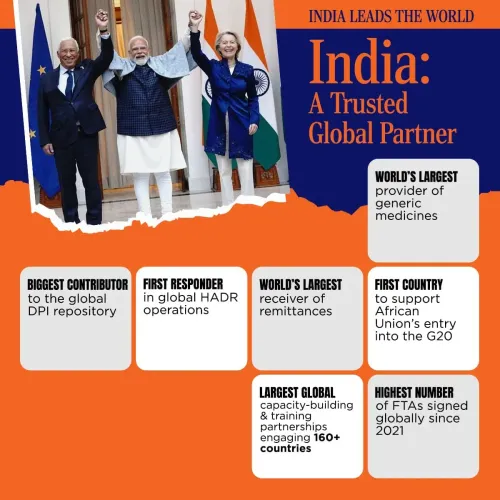
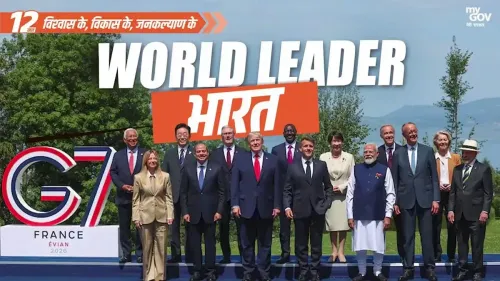
Nitin Gadkari on June 19, 2026 publicly praised 12 years of the Modi government's foreign policy under the hashtag #12YearsOfIndiaFirst .
The post frames India's diplomacy as a blend of national interest and Vasudhaiva Kutumbakam , the theme of India's 2023 G20 presidency .
Two key doctrines cited are Neighbourhood First — signalled at Modi's 2014 swearing-in — and the Act East Policy , unveiled at the 2014 ASEAN-India Summit in Myanmar .
India's diplomatic shift since 2014 has moved from non-alignment toward active multi-alignment across competing global power blocs.
The Viksit Bharat vision targeting developed-economy status by 2047 is presented as the long-term goal underpinning the foreign policy agenda.
Upcoming connectivity corridors with ASEAN and bilateral summits in late 2026 will be key tests of the claimed diplomatic momentum.
Union Road Transport and Highways Minister Nitin Gadkari on Friday, June 19, 2026, praised the foreign policy record of the Narendra Modi government, calling it 'not just diplomacy, but a declaration of Bharat's rising voice' as the ruling dispensation marks 12 years of pursuing what it terms an India-first approach to global affairs.
Context
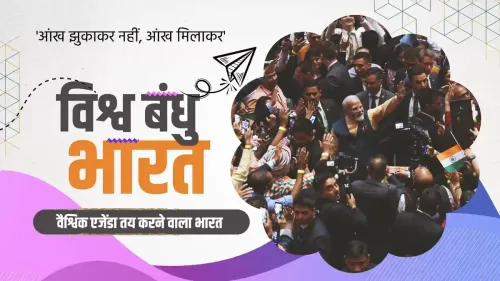
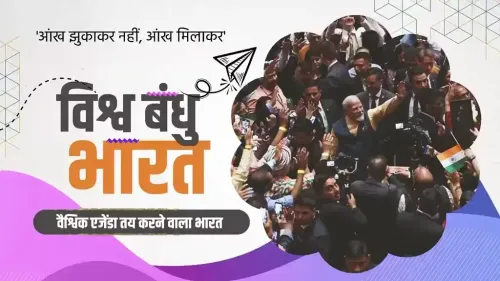
Gadkari's post, carrying the hashtag #12YearsOfIndiaFirst, frames the Modi government's foreign policy as a blend of 'national interest with Vasudhaiva Kutumbakam' — a Sanskrit phrase meaning 'the world is one family' — that was adopted as the official theme of India's 2023 G20 presidency. The minister describes India as an emerging 'Vishwa Bandhu,' or friend of the world, a phrase that has become part of the ruling party's diplomatic vocabulary. The post is part of a broader BJP communication exercise marking the completion of 12 years of the Modi government's foreign policy agenda.
Policy Backdrop
Two doctrines sit at the heart of the foreign policy record Gadkari is celebrating. The Neighbourhood First policy, signalled from day one when Prime Minister Modi invited all SAARC heads of government to his 2014 swearing-in ceremony, prioritises connectivity, crisis assistance and high-level engagement with immediate neighbours. The Act East Policy, formally unveiled at the 2014 ASEAN-India Summit in Myanmar, rebranded and intensified the earlier Look East framework to deepen trade, security and people-to-people ties with ASEAN and East Asian nations.
Taken together, these two doctrines reflect a strategic shift: since 2014, Indian diplomacy has moved from a primarily non-aligned posture toward active multi-alignment — seeking partnerships across competing power blocs while anchoring decisions in economic and security interests. This trajectory has coincided with India's growing economic weight and its self-positioning as a leading voice of the Global South in institutions such as the G20 and BRICS.
Stakeholders and Impact
The constituencies most directly affected by these doctrines include neighbouring countries in South Asia, ASEAN economies, and the large Indian diaspora whose welfare and connectivity with the homeland have become a standing diplomatic priority. Connectivity infrastructure — road, rail and digital corridors linking India with neighbours and with Southeast Asia — has been a recurring deliverable under both the Neighbourhood First and Act East frameworks.
The overarching vision Gadkari references, Viksit Bharat (Developed India by 2047), explicitly links domestic reforms with expanded global influence, making foreign policy a lever of economic ambition rather than a purely strategic exercise. Gadkari's post underscores that the government views diplomatic capital as inseparable from the development agenda.
What's Next
Attention in the months ahead will fall on progress on pending connectivity corridors with ASEAN nations and immediate neighbours, as well as outcomes of bilateral summits and multilateral engagements scheduled for the latter half of 2026. Whether the government can translate the diplomatic momentum it claims into concrete economic agreements will be the test that analysts and trading partners alike will watch most closely.
Point of View
Neighbourhood First, Act East and Viksit Bharat in a single breath, the messaging ties together India's regional, Indo-Pacific and multilateral postures into one unified arc. The framing of India as 'Vishwa Bandhu' is also a soft-power assertion, positioning the country not merely as a rising power but as a benevolent stakeholder in global governance. Whether this narrative holds will depend on deliverables: concrete connectivity agreements, trade outcomes and neighbourhood stability in the months ahead.
NationPress
19 Sept 2026
Frequently Asked Questions
What is the Neighbourhood First policy of India?
The Neighbourhood First policy is a foreign policy doctrine launched after 2014 that prioritises relations with India's immediate neighbours through high-level visits, connectivity infrastructure projects and crisis assistance. It was signalled when PM Modi invited all SAARC heads of government to his 2014 swearing-in ceremony.
What is India's Act East Policy?
The Act East Policy is a 2014 rebranding and intensification of the earlier Look East Policy, focusing on deepening trade, security and people-to-people ties with ASEAN and East Asian nations. It was formally unveiled by PM Modi at the 2014 ASEAN-India Summit in Myanmar.
What does Vasudhaiva Kutumbakam mean and why is it significant for India's foreign policy?
Vasudhaiva Kutumbakam is a Sanskrit phrase meaning 'the world is one family.' It was adopted as the official theme of India's 2023 G20 presidency to project an inclusive approach to global governance, and has since become a recurring phrase in the government's diplomatic messaging.
What is Viksit Bharat and how does it relate to foreign policy?
Viksit Bharat, or Developed India, is a long-term national vision targeting developed-economy status by 2047. The government links it to foreign policy by arguing that expanded global influence and stronger international partnerships are essential to achieving domestic development goals.
Why is Nitin Gadkari commenting on foreign policy?
As a senior BJP leader and Union Cabinet minister, Gadkari is participating in a broader party communication exercise marking 12 years of the Modi government's India-first foreign policy agenda, using the hashtag #12YearsOfIndiaFirst.