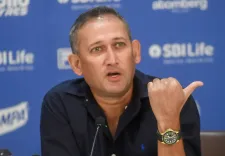
Shekhawat Marks 12 Years of India First Foreign Policy
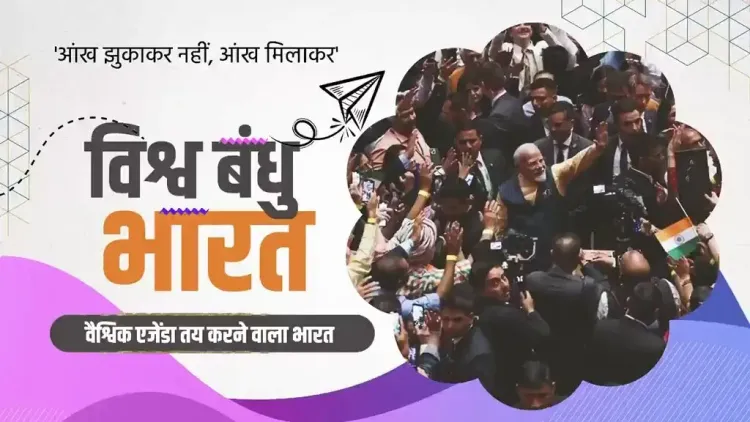
Synopsis
Union Minister Gajendra Singh Shekhawat marked twelve years of India's 'India First' foreign policy on June 19, 2026, highlighting gains in diplomacy, trade, and global cooperation since Prime Minister Modi took office in 2014, including the G20 presidency and expanded multilateral memberships.
Key Takeaways
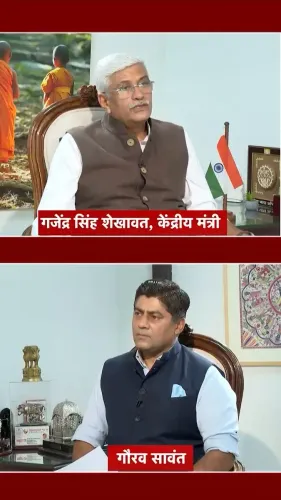
Gajendra Singh Shekhawat , Union Minister of Culture and Tourism, posted on June 19, 2026 under #12YearsOfIndiaFirst to mark twelve years of India-centric diplomacy.
India's foreign policy since 2014 has been anchored in Neighbourhood First , Act East , and strategic-autonomy principles articulated by Prime Minister Narendra Modi .
India secured full SCO membership in 2017 and rejoined an active Quad summit process, expanding its multilateral reach significantly.
The 2023 G20 presidency produced the New Delhi Declaration and the Voice of Global South initiative, cementing India's role as a bridge between developed and developing nations.
Trade volumes and the number of bilateral and plurilateral agreements rose steadily across BRICS , SCO , and Indo-Pacific frameworks over the twelve-year period.
Pending free-trade agreements and India's positioning at 2026 multilateral summits are the immediate diplomatic priorities to watch.
Union Culture and Tourism Minister Gajendra Singh Shekhawat on Friday, June 19, 2026, highlighted India's evolving global stature over the past twelve years, citing stronger diplomacy, expanding trade, new agreements, and deepening international cooperation as defining achievements of the period.
Posting under the hashtag #12YearsOfIndiaFirst, Shekhawat wrote that 'in the last 12 years, India has carved out a new identity for itself in the world,' adding that the country 'continues to move forward with strong diplomacy, growing trade, new agreements, and global cooperation.'
Context
The post marks twelve years since Prime Minister Narendra Modi assumed office in May 2014, a period during which India repositioned its foreign policy around strategic autonomy, economic partnerships, and an assertive multilateral presence. The #12YearsOfIndiaFirst hashtag reflects the ruling BJP's framing of this era as one of purposeful, nationally-centred diplomacy. Senior party leaders across ministries have amplified the theme, making it a coordinated political communication exercise.
Policy Backdrop
The 2014-2026 period saw India articulate and operationalise its Neighbourhood First and Act East policies, reordering engagement with its immediate region and the broader Indo-Pacific. India gained full membership of the Shanghai Cooperation Organisation (SCO) in 2017 and rejoined an active Quad summit process the same year, significantly expanding its multilateral footprint.
A landmark moment came with India's G20 presidency in 2023, which produced the New Delhi Declaration and institutionalised the Voice of Global South outreach — positioning New Delhi as a bridge between developed economies and the developing world. Across BRICS, the SCO, and bilateral tracks, trade volumes and the number of formal agreements rose steadily through this period.
Stakeholders and Impact
The beneficiaries of this diplomatic expansion include Indian exporters, technology-sector firms, and strategic partners across Eurasia, the Indo-Pacific, and the Global South. Expanded trade corridors and investment frameworks have created tangible economic linkages that complement India's political outreach. The Ministry of External Affairs has been the institutional engine behind these shifts, coordinating across bilateral, regional, and multilateral tracks.
For ordinary citizens, the gains are visible in enhanced travel facilitation, stronger diaspora engagement, and India's growing voice in shaping global norms on issues from climate finance to digital governance. The framing of these outcomes as 'India First' also carries domestic political resonance, consolidating a narrative of national pride around foreign-policy achievements ahead of future electoral cycles.
What's Next
Pending free-trade agreement negotiations — including long-stalled talks with key partners — remain on the diplomatic agenda as immediate follow-up priorities. India's positioning at the 2026 cycle of multilateral summits will test whether the momentum of the G20 presidency can be sustained into the next phase of global engagement. Observers will watch whether the political messaging around #12YearsOfIndiaFirst translates into fresh policy announcements in the weeks ahead.
Point of View
Using foreign-policy achievements as a key pillar of political messaging. The invocation of 'strong diplomacy, growing trade, and new agreements' condenses a genuinely eventful period — spanning SCO accession, Quad revival, and the G20 presidency — into a digestible electoral narrative. The 'India First' framing is strategically significant: it domesticates foreign-policy success, making it legible to a mass audience as national pride rather than technocratic achievement. As India enters the next phase of multilateral engagement in 2026, the gap between this narrative and the outcomes of pending trade negotiations will be the real test of the policy arc being celebrated.
NationPress
18 Sept 2026
Frequently Asked Questions
What is the India First foreign policy?
'India First' is the guiding principle of Prime Minister Narendra Modi's foreign policy since 2014, prioritising India's national interest, strategic autonomy, and economic partnerships in all diplomatic engagements, including through frameworks like Neighbourhood First and Act East.
What did Gajendra Singh Shekhawat post about India's foreign policy?
On June 19, 2026, Union Minister Gajendra Singh Shekhawat posted on X stating that India has built a new global identity over the last 12 years through strong diplomacy, growing trade, new agreements, and international cooperation, using the hashtag #12YearsOfIndiaFirst.
What are India's major foreign policy achievements since 2014?
Since 2014, India joined the Shanghai Cooperation Organisation as a full member in 2017, revived the Quad summit process, hosted the G20 presidency in 2023 producing the New Delhi Declaration, and expanded trade and cooperation ties across the Indo-Pacific, Eurasia, and the Global South.
What was India's G20 presidency achievement?
During its G20 presidency in 2023, India produced the New Delhi Declaration and launched the Voice of Global South initiative, positioning itself as a key interlocutor between developed economies and developing nations.
What are India's next diplomatic priorities in 2026?
India's immediate diplomatic priorities include concluding pending free-trade agreement negotiations with key partners and maintaining its strategic positioning at the 2026 cycle of multilateral summits following the momentum built during the G20 presidency.