CM Sawant Inaugurates Zonal Agriculture Office in Valpoi, Sattari
Synopsis
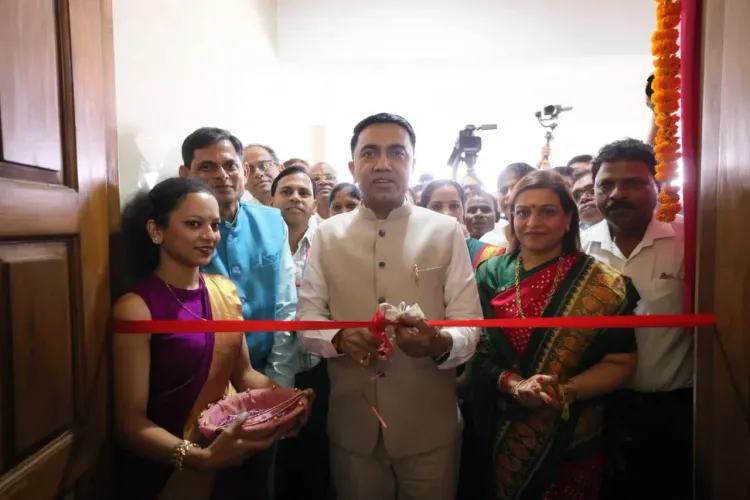
Goa Chief Minister Pramod Sawant inaugurated a new Zonal Agriculture Office at Valpoi in Sattari taluka on October 13, 2026, distributing Krishi Cards to farmers and reiterating commitments on paddy procurement prices, subsidies, Soil Health Cards, and community farming to strengthen rural agricultural services.
Key Takeaways
Goa CM Pramod Sawant inaugurated the new Zonal Agriculture Office at Valpoi , Sattari, on October 13, 2026 .
Krishi Cards were distributed to farmers at the event to streamline access to subsidies and procurement benefits.
The CM reiterated commitment to enhanced paddy procurement prices , agricultural subsidies, and community farming initiatives.
Soil Health Cards , part of the national scheme launched in 2015 , are part of the services to be delivered through the new office.
The office aims to decentralise agricultural extension services in Sattari taluka , a significant paddy-growing region of North Goa.
The event was attended by MLA Dr.
Ane and other dignitaries from the region.
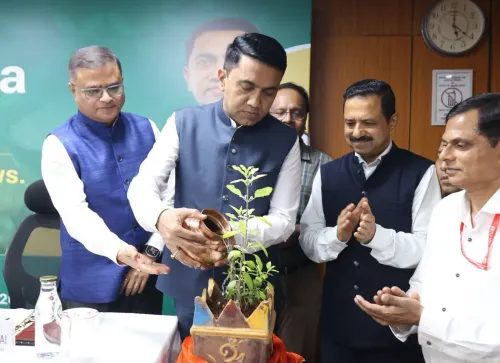
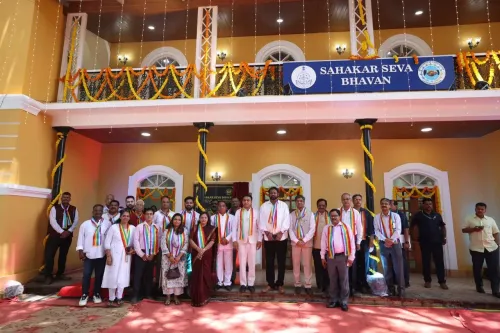
A new government building in the hills of Sattari carries a concrete promise on Tuesday, October 13, 2026 — that farmers in one of Goa's most agriculture-dependent talukas will no longer have to travel far for state support. Goa Chief Minister Pramod Sawant inaugurated the newly constructed Zonal Agriculture Office at Valpoi, distributing Krishi Cards to farmers and reaffirming the state's commitment to paddy procurement prices, agricultural subsidies, Soil Health Cards, and community farming.
Valpoi gets its own agricultural nerve centre
Valpoi, the principal town of Sattari taluka in North Goa, sits at the heart of the state's paddy-growing belt. The new zonal office is designed to decentralise agricultural extension services — bringing subsidy processing, soil health assessments, and procurement facilitation directly into the taluka rather than routing farmers through distant district-level offices. MLA Dr. Ane and other dignitaries were present at the inauguration.
Goa state governments have pursued this decentralisation model for years, establishing zonal agriculture offices to extend reach into rural pockets where small and marginal farmers form the bulk of the agrarian workforce. Today's inauguration continues that pattern, adding physical infrastructure to go alongside the beneficiary-card distributions that have become a signature of such events.
Krishi Cards, Soil Health Cards, and what they mean on the ground
Krishi Cards — state-issued farmer identification cards — are intended to streamline access to subsidies and procurement benefits, cutting the paperwork burden that often discourages small farmers from claiming entitlements. CM Sawant distributed these cards directly at the event, a gesture that underscores the government's intent to close the gap between policy and implementation.
Alongside these, Soil Health Cards — a nationally launched scheme from 2015 — give farmers scientifically assessed soil nutrient reports to guide fertiliser use, reducing input costs and improving yield decisions. Their distribution through a dedicated local office in Sattari means that guidance is now institutionally anchored, not just periodically delivered through camp-style events.
Sattari's farming communities and the paddy procurement pledge
Sattari taluka has significant paddy cultivation, and procurement price revisions are among the most politically and economically sensitive levers available to any state government dealing with agrarian constituents. CM Sawant reiterated the state's commitment to enhanced paddy procurement prices at the event — a signal to cultivators that the administration views price support as inseparable from infrastructure support.
The combination — a physical office, card-based entitlement delivery, and procurement price assurance — reflects a broader state strategy: link farmers to services institutionally so that welfare commitments outlast the political calendar. Whether Sattari's farmers see measurable improvements in procurement access and subsidy disbursal will depend on staffing, digital connectivity, and follow-through in upcoming budget allocations.
The hills of Sattari now have an address to take their grievances to. Whether the institution delivers as loudly as today's inauguration is the question the next harvest season will answer.
Point of View
CM Sawant is deploying a well-worn playbook: anchor welfare promises in a visible institution to make them harder to reverse or ignore. Sattari's paddy farmers are a politically attentive constituency, and decentralised office infrastructure reduces the friction that historically turns entitlement policy into entitlement disappointment. The real test — and the real political dividend or liability — will come when those Krishi Cards are actually processed and procurement prices are formally notified in the next state budget cycle.
NationPress
13 Oct 2026
Frequently Asked Questions
What is the new Zonal Agriculture Office at Valpoi?
It is a newly constructed government agriculture office in Valpoi town, Sattari taluka, North Goa, inaugurated by Chief Minister Pramod Sawant on October 13, 2026 to decentralise agricultural services and bring support closer to local farming communities.
What are Krishi Cards in Goa?
Krishi Cards are state-issued farmer identification cards in Goa designed to facilitate easier access to agricultural subsidies and paddy procurement benefits, reducing administrative barriers for small and marginal farmers.
What is the Soil Health Card scheme?
The Soil Health Card is a national scheme launched in 2015 that provides farmers with scientific reports on soil nutrient status, helping them optimise fertiliser use, reduce input costs, and improve crop yields.
Why is Sattari taluka important for Goa's agriculture?
Sattari taluka in North Goa has significant paddy cultivation and a large community of small and marginal farmers, making it one of the state's key agrarian regions where agricultural support infrastructure has significant impact.
What is Goa's commitment on paddy procurement prices?
CM Pramod Sawant reiterated at the Valpoi event that the state government is committed to enhanced paddy procurement prices for farmers, though specific revised price figures were not announced at the inauguration.