CM Sawant joins Nasha Mukt Yuva drive at Sankhali
Synopsis
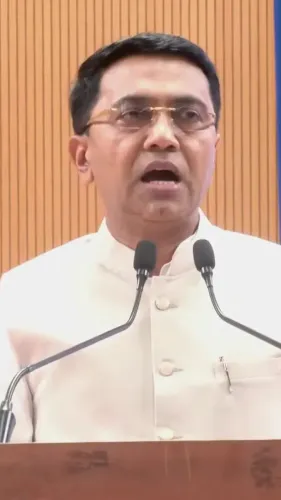
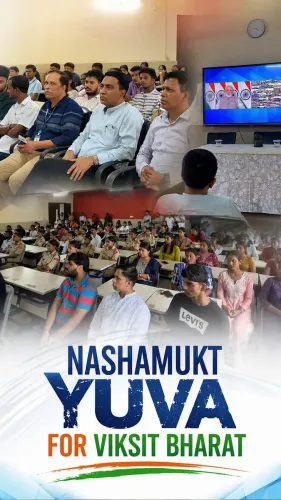
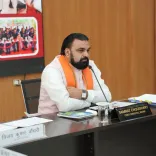
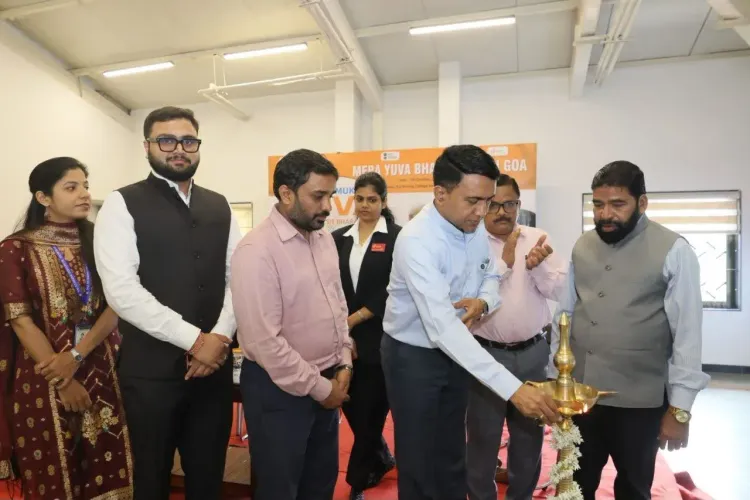
Goa Chief Minister Pramod Sawant participated in the 'Nasha Mukt Yuva for Viksit Bharat — Yuva Samvad' at Sai Nursing Institute, Sankhali, administered the Nasha Mukt Bharat pledge, and urged the MY Bharat team to extend the anti-drug message to every college across Goa as part of the Seva Sankalp Abhiyan.
Key Takeaways
Goa CM Pramod Sawant attended the Nasha Mukt Yuva for Viksit Bharat — Yuva Samvad at Sai Nursing Institute, Sankhali on October 9, 2026 .
The event was organised by Mera Yuva Bharat (MY Bharat), North Goa under the #SevaSankalpAbhiyan campaign.
Sawant administered the Nasha Mukt Bharat pledge to the assembled youth.
He spoke on youth empowerment, responsible citizenship , and the Viksit Bharat @2047 vision.
Sawant directed the MY Bharat team to carry the anti-drug message to every college across Goa .
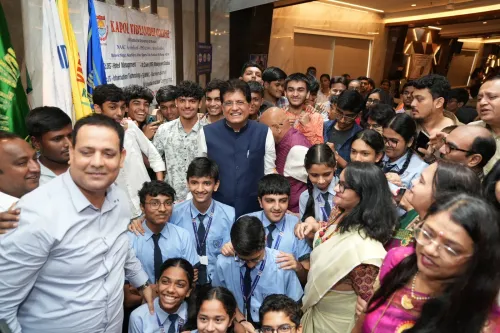
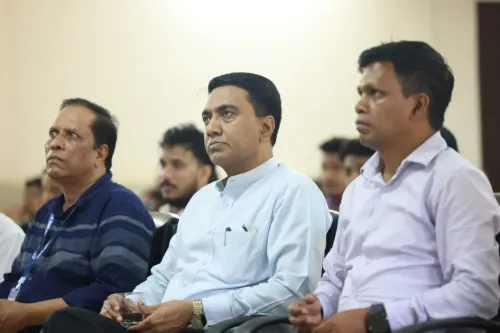
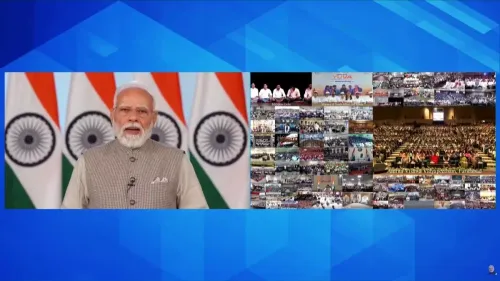
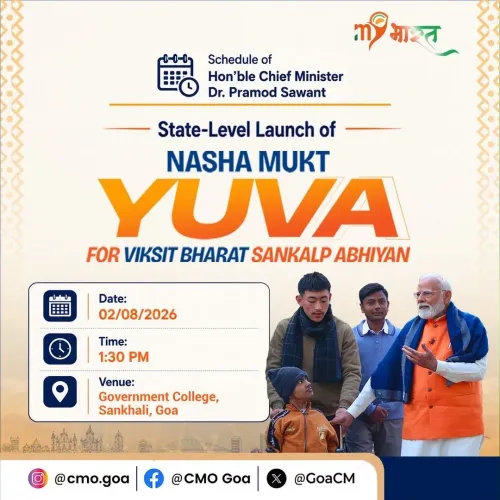
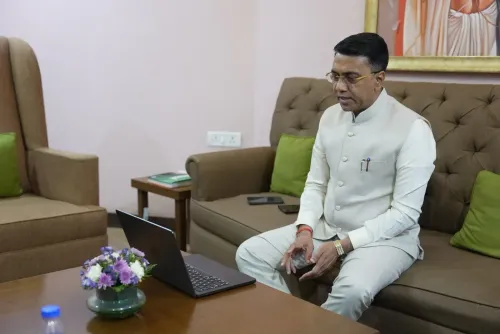
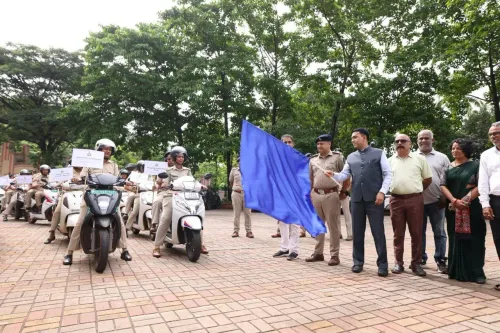
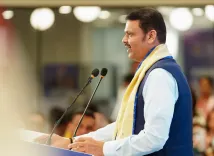
At Sai Nursing Institute, Sankhali on Friday, October 9, 2026, Goa Chief Minister Pramod Sawant stood before a hall of young faces and asked them to imagine the India of 2047 — and then told them exactly who would build it: them. The occasion was Nasha Mukt Yuva for Viksit Bharat — Yuva Samvad, a youth outreach event organised by Mera Yuva Bharat (MY Bharat), North Goa, anchored on the single, urgent premise that a drug-free generation is the foundation of a developed nation.
The pledge, the call, and what Sawant asked of MY Bharat
CM Sawant administered the Nasha Mukt Bharat pledge to the assembled youth and addressed the gathering on three interlocking themes: youth empowerment, responsible citizenship, and the Viksit Bharat @2047 vision. He was direct: the India that turns 100 years of independence will be shaped not by current policymakers but by the students in that room today. The message carried both aspiration and accountability in equal measure.
Before leaving, Sawant issued a concrete challenge to the MY Bharat team — carry the Nasha Mukt Bharat message to every college across Goa. That is not a symbolic ask; Goa has dozens of degree colleges spread across North and South Goa districts, and a campus-by-campus outreach would require sustained, organised effort from the youth body.
MY Bharat and the Seva Sankalp push behind the event
Mera Yuva Bharat (MY Bharat) is a government-backed autonomous body set up to channelise youth energy into nation-building activities, functioning under the Union government's youth affairs framework. The #SevaSankalpAbhiyan hashtag attached to Sawant's post signals this event was part of a broader, coordinated national campaign — one that asks elected leaders and youth volunteers alike to log visible, on-ground service commitments during a designated period.
Drug abuse has been a persistent concern in Goa, a coastal state whose tourism economy and porous coastline have historically made it vulnerable to narcotics trafficking. Anti-drug outreach in educational institutions has been a stated priority for both the state administration and central agencies, making the choice of a nursing institute in the interior town of Sankhali — rather than a coastal urban campus — a deliberate signal about reach beyond tourist-heavy zones.
Why Sankhali, and why nursing students
Sankhali sits in the Bicholim taluka of North Goa, an inland, largely industrial and mining belt — a constituency Sawant knows politically. Nursing students occupy a specific and strategic position in any anti-drug message: they are future frontline health workers who will encounter addiction and its consequences directly. Bringing the pledge and the conversation to them is not just optics; it is targeted constituency-building for the idea of a drug-free society inside the healthcare pipeline itself.
The event reinforces a pattern visible across BJP-governed states — high-visibility youth engagement events that simultaneously serve a policy message (here, drug-free India) and a political mobilisation goal (youth as stakeholders in the 2047 vision narrative). Sawant leaves Sankhali with a pledge administered, a network activated, and a deadline implied: every Goan college, reached.
Point of View
On-ground youth events that double as organisational outreach for bodies like MY Bharat. The specific directive to reach 'every college across Goa' is politically meaningful — it tasks a government-backed youth body with a measurable state-wide presence, extending the ruling party's footprint on campuses ahead of future electoral cycles. Drug-free messaging in Goa also has policy salience given the state's historical vulnerability to narcotics trafficking along its coastline, lending the event credibility beyond pure symbolism. Whether MY Bharat has the bandwidth to execute a Goa-wide college outreach remains the real test of this pledge.
NationPress
9 Oct 2026
Frequently Asked Questions
What is the Nasha Mukt Bharat pledge?
The Nasha Mukt Bharat pledge is a formal commitment administered to citizens — particularly youth — to abstain from drugs and contribute to building a drug-free India, part of the Union government's broader Nasha Mukt Bharat Abhiyan.
What is Mera Yuva Bharat (MY Bharat)?
Mera Yuva Bharat (MY Bharat) is a government-backed autonomous body established to channel youth participation into national development and social service activities under India's youth affairs framework.
What is the Seva Sankalp Abhiyan?
Seva Sankalp Abhiyan is a coordinated national campaign under which government officials and youth volunteers make and log visible public service commitments; the event at Sankhali was tagged under this campaign.
Why did Goa CM Sawant visit Sai Nursing Institute in Sankhali?
CM Pramod Sawant participated in the 'Yuva Samvad' youth outreach event organised by MY Bharat at the institute, where he administered an anti-drug pledge and addressed students on youth empowerment and the Viksit Bharat 2047 vision.
What did Goa CM Sawant ask MY Bharat to do after the Sankhali event?
Sawant called upon the MY Bharat team to take the Nasha Mukt Bharat message to every college across Goa, setting a state-wide campus outreach as the next concrete goal.