Fadnavis targets Congress on SIR, posts Kapil Sibal's Parliament speech
Synopsis
Maharashtra CM Devendra Fadnavis has turned Congress's own parliamentary record against it — releasing a clip of former Law Minister Kapil Sibal defending the Special Intensive Revision process in Parliament during the UPA years, even as Rahul Gandhi and Priyanka Gandhi Vadra lead street protests calling the same process unconstitutional. It is a rare instance where a government's rebuttal comes word-for-word from the opposition's own former minister.
Key Takeaways
Maharashtra CM Devendra Fadnavis released archival parliamentary footage of Kapil Sibal defending the SIR voter-roll process during the UPA government.
The clip directly counters Congress's current claim that SIR is a 'conspiracy' or unconstitutional procedure.
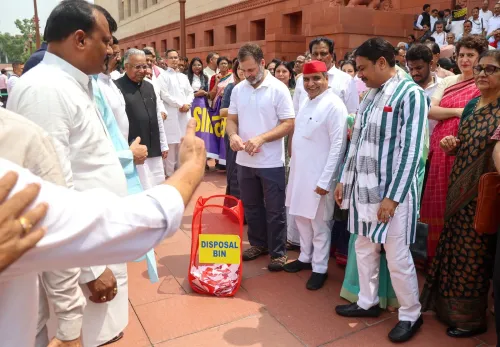
Congress and allies allege over 13 crore names were excluded from draft electoral rolls; protests near Jantar Mantar and the Election Commission HQ turned tense.
Rahul Gandhi and Priyanka Gandhi Vadra are leading demonstrations demanding the suspension of SIR and the resignation of Chief Election Commissioner Gyanesh Kumar .
Maharashtra's CEO office has been running voter registration camps across colleges from 5–9 October 2026 , with BLO home visits and special camps on 10–11 October 2026 .
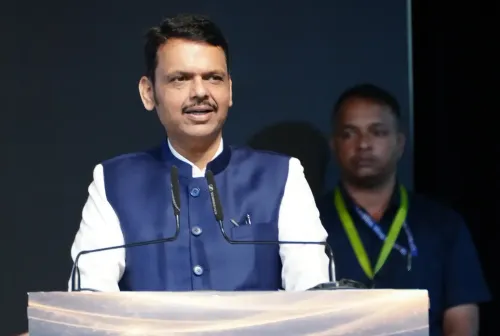
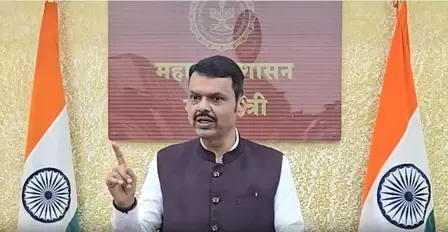
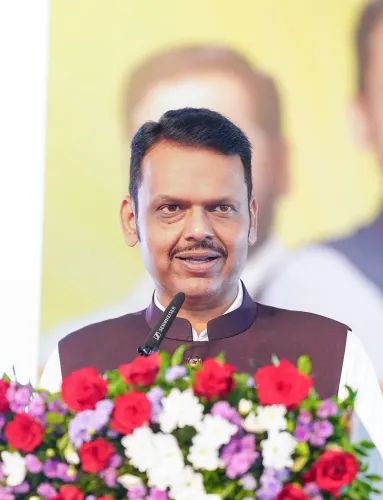
Maharashtra Chief Minister Devendra Fadnavis on Friday, 9 October 2026, launched a sharp counter-offensive against the Congress party over the Special Intensive Revision (SIR) process, releasing archival parliamentary footage of former Union Law Minister Kapil Sibal defending the very same voter-roll revision framework during the Congress-led UPA government's tenure. The move came as protests spearheaded by Leader of the Opposition in the Lok Sabha Rahul Gandhi and Congress MP Priyanka Gandhi Vadra against the Election Commission and the SIR process brought parts of central Delhi to a standstill.
The Viral Clip and What Sibal Said
The archival footage, shared by CM Fadnavis on social media with the caption 'Congress' double standards', rapidly went viral. In the clip, Kapil Sibal — speaking as Law Minister in Parliament — outlines three specific grounds under which the SIR process modifies the electoral roll: deletion of duplicate entries when a voter shifts constituencies and re-registers at a new address; updating of old rolls during boundary reorganisations; and routine deletion of names of deceased individuals following verification.
Sibal also stated in the footage that no legitimate voter could be barred by registration officers, noting that millions of citizens routinely applied for inclusion under established statutory provisions — a position directly at odds with the Opposition's current characterisation of the process as unconstitutional.
Fadnavis's Direct Attack on Congress
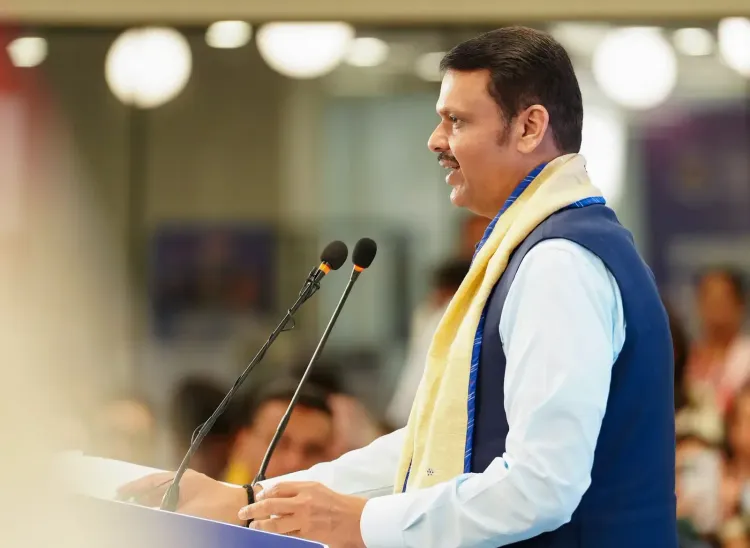
'Congress is busy shouting against SIR from every possible stage, only to have its own former Law Minister Kapil Sibal's words come back to expose the drama,' CM Fadnavis said. 'The Parliament record doesn't change with political convenience. Perhaps Congress should first check their own history before manufacturing new conspiracy theories. Sometimes, the best rebuttal comes from your own party's past!'
Bharatiya Janata Party (BJP) leaders have backed the Chief Minister's position, asserting that the Opposition is attempting to manufacture a controversy over a standard voter-roll hygiene exercise that its own government previously endorsed on the floor of Parliament.
What the Opposition Claims
Congress and its allies allege that over 13 crore names have been left out of the draft electoral rolls during the ongoing SIR exercise, and have described the process as a 'conspiracy' amounting to mass disenfranchisement. Protests near Jantar Mantar and the Election Commission headquarters in Delhi have seen tense confrontations with law enforcement, leading to police complaints and political escalation. The Opposition has also demanded the resignation of Chief Election Commissioner Gyanesh Kumar.
Maharashtra's SIR Outreach Drive
The Chief Minister's remarks came a day after the Office of the Chief Electoral Officer (CEO), Maharashtra, launched targeted registration drives and door-to-door verification campaigns across the state to ensure maximum voter participation and clean electoral rolls.
Special voter registration camps were conducted at all colleges and universities in Maharashtra from 5 October to 9 October 2026, with Booth Level Officers (BLOs) stationed at campuses to assist students. BLOs are also conducting home visits to identify eligible citizens missing from the Draft Electoral Roll. For residents unavailable during home visits, special registration camps will be held at all designated polling stations on 10 and 11 October 2026. Citizens whose names appear on the list of absent or migrated voters can apply for re-enrolment at ceoelection.maharashtra.gov.in.
What Happens Next
With protests showing no sign of abating and the BJP counter-narrative now backed by parliamentary record, the SIR dispute is set to intensify ahead of the finalisation of electoral rolls. The Election Commission has maintained that the revision is a routine statutory process; the Opposition's demand for its suspension remains unmet. How the Commission responds to the political pressure — and whether the 13-crore exclusion claim is independently verified — will determine the next phase of this high-stakes electoral controversy.
Point of View
In practice, excluded eligible voters at a scale warranting independent scrutiny. Sibal's UPA-era defence of SIR's legal architecture does not automatically validate every operational decision made under the current Commission. The 13-crore exclusion claim, if independently verified, would be a genuine democratic concern regardless of which party defended the framework in Parliament. The political noise on both sides risks burying that accountability question.
NationPress
9 Oct 2026
Frequently Asked Questions
What is the Special Intensive Revision (SIR) process at the centre of the controversy?
The Special Intensive Revision (SIR) is a statutory electoral roll update exercise conducted by the Election Commission of India, under which voter lists are revised to remove duplicate entries, update records after constituency boundary changes, and delete names of deceased voters. Congress currently claims the process has resulted in the exclusion of over 13 crore eligible voters from draft electoral rolls.
What did Kapil Sibal say in the parliamentary footage shared by Fadnavis?
In the archival clip, Kapil Sibal — serving as Union Law Minister during the UPA government — explained that SIR removes names in three specific scenarios: when a voter shifts constituencies and re-registers at a new address, during boundary reorganisations, and upon verified death. Sibal also stated that no legitimate voter could be barred by registration officers.
What are Congress and the Opposition demanding?
Congress, led by Rahul Gandhi and Priyanka Gandhi Vadra, is demanding the suspension of the SIR process and the resignation of Chief Election Commissioner Gyanesh Kumar, alleging that the exercise has disenfranchised over 13 crore voters. Protests near Jantar Mantar and the Election Commission headquarters in Delhi have seen confrontations with law enforcement.
What voter registration steps is Maharashtra taking during the SIR period?
The Office of the Chief Electoral Officer, Maharashtra, has run voter registration camps at all colleges and universities from 5 to 9 October 2026, with Booth Level Officers conducting home visits. Special registration camps are scheduled at all designated polling stations on 10 and 11 October 2026, and absent or migrated voters can verify their status at ceoelection.maharashtra.gov.in.
Why does the BJP say the Opposition's SIR protests are hypocritical?
BJP leaders argue that the Congress-led UPA government itself endorsed and defended the SIR framework in Parliament — as evidenced by Kapil Sibal's recorded remarks — making the current street protests politically inconsistent. They contend the Opposition is manufacturing a controversy over a routine voter-roll hygiene process that its own government previously validated.