CM Sawant Marks 12 Years of Make in India, Eyes Global Push
Synopsis
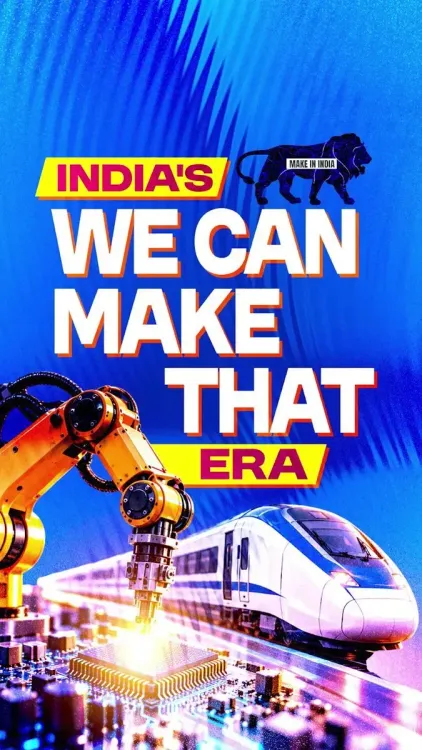
On the 12th anniversary of Make in India, Goa CM Pramod Sawant framed India's industrial journey — from the 2014 initiative through Atmanirbhar Bharat — as a march from domestic self-reliance to global manufacturing leadership, amplifying a nationwide BJP commemoration.
Key Takeaways
Make in India was launched by PM Narendra Modi in September 2014 ; 25 September 2026 marks its 12th anniversary .
Atmanirbhar Bharat , announced in May 2020 , expanded the programme's focus from domestic capacity-building to reducing import dependence.
CM Sawant articulates a new phase: 'Made in India for the World,' signalling an export-orientation pivot beyond self-reliance.
The post is part of a BJP-wide commemoration using the hashtag #12YearsOfMakeInIndia .
Key stakeholders watching the next steps include Indian manufacturers and MSME exporters awaiting hard data in forthcoming policy documents.
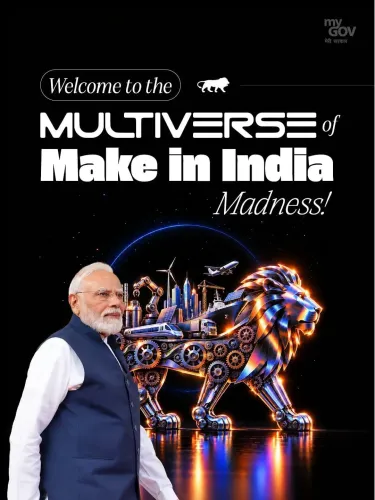
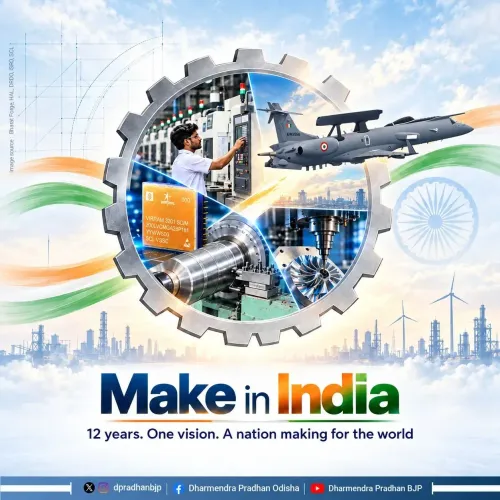
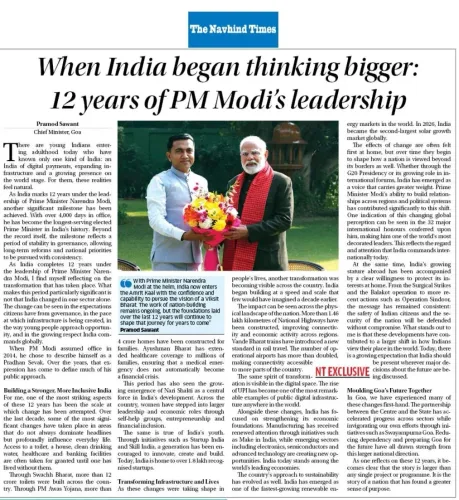
Twelve years after Prime Minister Narendra Modi unveiled the Make in India initiative in September 2014, Goa Chief Minister Pramod Sawant on Friday, 25 September 2026 marked the anniversary with a sharp articulation of how India's industrial ambition has evolved — from building domestic confidence to targeting global manufacturing leadership.
From a domestic bet to a world-stage claim
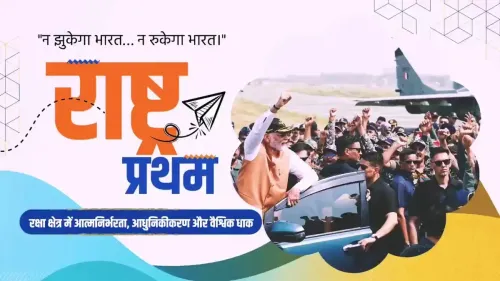
Sawant's message traces a clear arc: Make in India planted the seed, Atmanirbhar Bharat — announced in May 2020 during the COVID-19 crisis — watered it, and now the harvest is meant for the world. 'From self-reliance to global leadership. From aspiration to capability,' he wrote, framing the journey not as a policy evolution but as a national coming-of-age. The hashtag #12YearsOfMakeInIndia anchored the post within a wider BJP-coordinated commemoration of the flagship scheme.
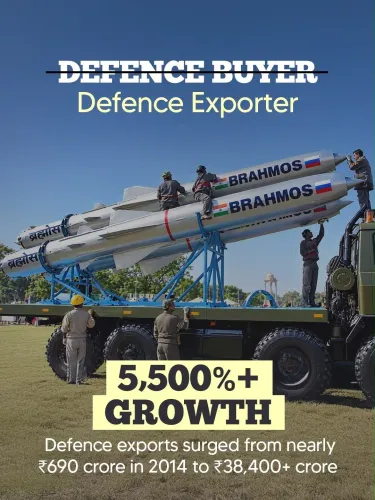
The distinction he draws — 'Made in India for India' versus 'Made in India for the World' — is not merely rhetorical. It signals an export-orientation pivot that has grown louder in Indian economic policy discourse since the Atmanirbhar rollout, moving well beyond import substitution toward positioning Indian factories as suppliers to global supply chains.
The policy lineage behind the slogan
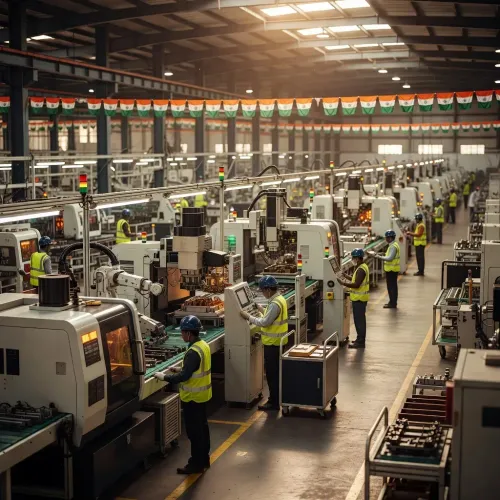
Make in India launched with the goal of raising manufacturing's share of GDP and attracting large-scale foreign and domestic investment into sectors ranging from defence to electronics. It was, at heart, a confidence play — signalling to global capital that India was open for industrial business.
Atmanirbhar Bharat, by contrast, arrived under crisis conditions: a May 2020 stimulus package designed to reduce dependence on imports, especially from China, while shoring up domestic production. The two programmes are philosophically complementary — one courts the world in, the other builds capability from within — and Sawant's framing presents them as sequential chapters of a single unbroken story.
Why a Goa CM is speaking in national economic terms
Sawant's post carries no state-specific detail — no Goa port, no industrial corridor, no MSME cluster. It is a deliberate alignment with the Centre's narrative, a reminder that BJP chief ministers routinely amplify the party's national policy milestones on anniversaries. The voice is national; the platform is Goa's chief executive. That convergence is itself a data point about how tightly integrated Centre-state BJP messaging has become around marquee economic programmes.
For Indian manufacturers and MSME exporters, the anniversary is a moment to measure distance travelled — and distance remaining. The next Economic Survey and Union Budget will carry the hard numbers that test whether 'Made in India for the World' is a destination or still a direction.
Point of View
Moving from defensive import-substitution toward offensive export-market capture, a transition that mirrors the broader post-1991 trajectory. Whether the slogan has been matched by export performance metrics is the question the next Economic Survey must answer. Until then, the phrase is both a policy claim and a political aspiration.
NationPress
25 Sept 2026
Frequently Asked Questions
When was Make in India launched?
Make in India was launched by Prime Minister Narendra Modi in September 2014 to boost domestic manufacturing, attract investment, and raise the sector's share of GDP.
What is the difference between Make in India and Atmanirbhar Bharat?
Make in India focuses on attracting investment and building manufacturing capacity, while Atmanirbhar Bharat , launched in May 2020 , emphasises self-reliance by reducing import dependence and strengthening indigenous supply chains — both are complementary pillars of India's industrial policy.
What does 'Made in India for the World' mean?
'Made in India for the World' signals a policy shift from producing goods primarily for domestic consumption toward positioning India as a global manufacturing and export hub, going beyond self-reliance to compete in international supply chains.
Why did Goa CM Pramod Sawant post about Make in India?
Goa Chief Minister Pramod Sawant posted to mark the 12th anniversary of Make in India on 25 September 2026 , joining a BJP-wide commemoration of the flagship scheme with the hashtag #12YearsOfMakeInIndia .
What is Pramod Sawant's role in national manufacturing policy?
Pramod Sawant is the Chief Minister of Goa and a BJP leader since 2019; while his post reflects national BJP messaging, state-level implementation of manufacturing incentives falls under his government's purview.