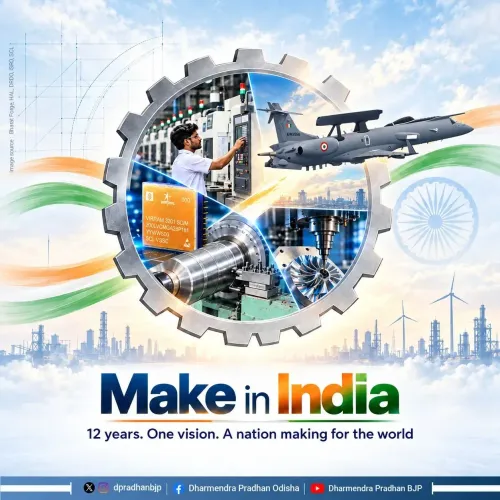
PM Modi marks 12 years of Make in India
Synopsis
Prime Minister Narendra Modi marked the 12th anniversary of Make in India on 25 September 2026, crediting the initiative with boosting domestic production, attracting foreign investment, and growing exports — reinforcing a manufacturing-led economic narrative central to BJP governance since 2014.
Key Takeaways
Make in India was launched on 25 September 2014 and completes 12 years today.
PM Modi cited three pillars of progress: domestic manufacturing, foreign investment, and export growth.
Complementary policies including PLI schemes and Atmanirbhar Bharat have reinforced the Make in India framework over the past decade.
The initiative originally targeted 25 sectors , ranging from defence to electronics and pharmaceuticals.
Upcoming FDI, manufacturing PMI, and export data releases will be the next empirical check on the anniversary claims.
Twelve years after a bold bet on domestic manufacturing reshaped India's economic conversation, Prime Minister Narendra Modi on Friday, 25 September 2026 marked the anniversary of Make in India with a three-line declaration that doubles as a report card: more made here, more invested here, more shipped out from here.
From a 2014 launch pad to a 12-year industrial arc
Make in India was unveiled on 25 September 2014 — exactly twelve years ago today — as Prime Minister Modi's flagship pitch to turn India into the world's next great manufacturing destination. The campaign targeted 25 sectors, from defence and aerospace to automobiles and electronics, inviting both domestic industry and foreign capital to set up shop on Indian soil rather than simply sell into the Indian market.
The idea was structurally simple but politically ambitious: raise manufacturing's share of GDP, absorb a young and rapidly growing workforce, and claw back the 'factory of the world' narrative that had long belonged to China. Over the following decade, complementary programmes were stacked on top — Atmanirbhar Bharat (self-reliant India) after the pandemic shock of 2020, and a suite of Production Linked Incentive (PLI) schemes that dangled direct cash incentives to companies hitting output targets across sectors like semiconductors, mobile phones, pharmaceuticals, and solar modules.
Manufacturing, FDI, and exports: the three pillars Modi named
The Prime Minister's post frames the anniversary around three interlocking metrics. 'More made in India' points to domestic production volumes and the rising manufacturing base. 'More investment in India' signals foreign direct investment inflows — a key indicator of how seriously global capital is taking the country's industrial infrastructure and policy stability. 'More exports from India' is the hardest test: whether Indian factories are competitive enough to sell globally, not just serve the home market.
Together, these three form a virtuous cycle policymakers have long described as the goal: attract investment, build capacity, export at scale. The degree to which that cycle is now self-reinforcing — rather than still dependent on incentive push — is what analysts and quarterly data releases will continue to scrutinise.
The road the numbers will validate
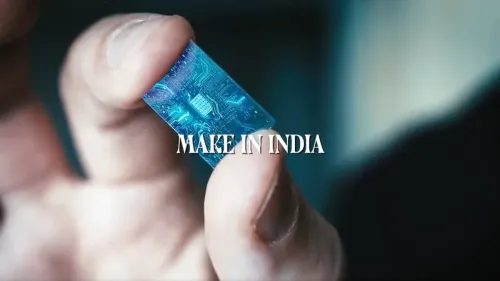
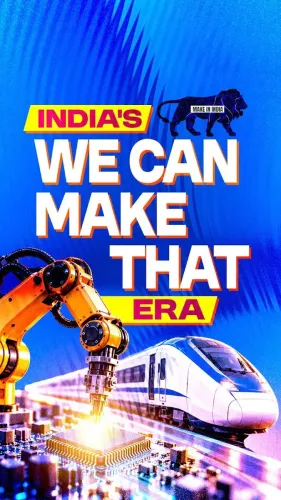
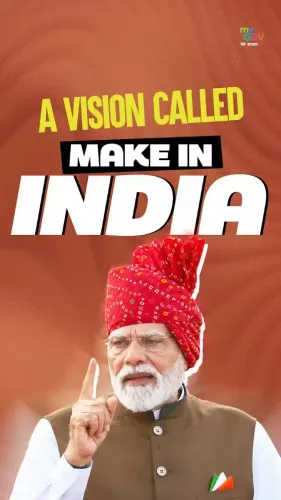
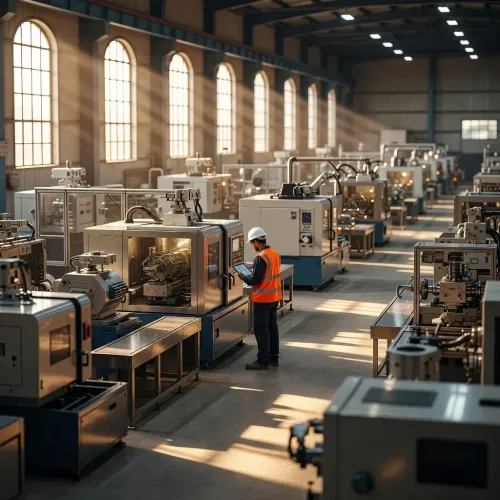
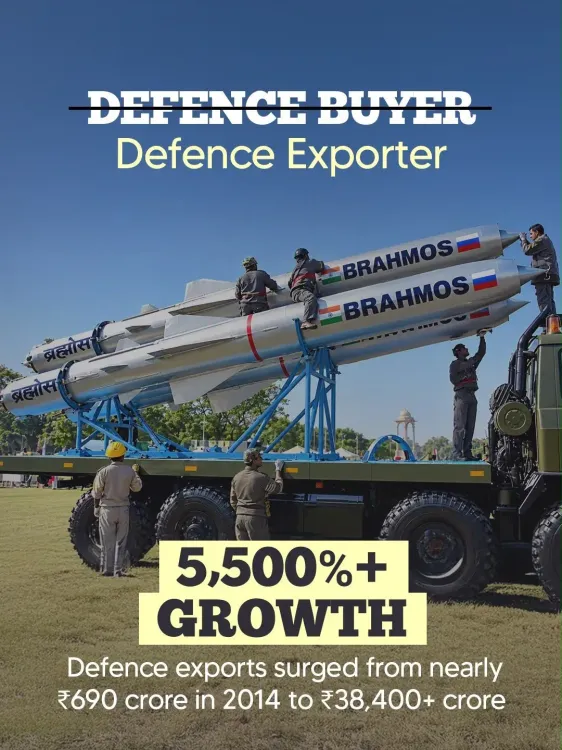
The research block behind this story is appropriately cautious: specific statistics from 2025-26 cannot be independently verified here. What is established is the policy lineage — PLI schemes across more than a dozen sectors, significant FDI reform in defence and insurance, and an export-promotion push that sits alongside the Atmanirbhar Bharat framework. The anniversary post, with its four accompanying images and the celebratory hashtag #12YearsOfMakeInIndia, is both a milestone marker and a forward signal: the manufacturing-led growth story is being held up, loudly, as a defining achievement of the BJP-led government's decade-plus in office.
The next round of FDI inflow data, manufacturing PMI readings, and merchandise export figures will either deepen that narrative or complicate it. Either way, the scoreboard is now publicly posted.
Point of View
Not just the services sector. Framing the milestone around investment and exports — rather than GDP alone — signals that the government is aware its manufacturing ambitions must ultimately be validated by global competitiveness, not just domestic output. The timing is also political: at twelve years, Make in India is old enough to be judged by outcomes, and the Modi government is clearly choosing to own that judgment rather than deflect it. How the next wave of data — FDI, PLI disbursals, merchandise exports — aligns with this anniversary rhetoric will determine whether the narrative holds into the next election cycle.
NationPress
25 Sept 2026
Frequently Asked Questions
When was Make in India launched?
Make in India was launched on 25 September 2014 by Prime Minister Narendra Modi as a flagship initiative to boost domestic manufacturing and attract foreign investment into India.
What is the goal of Make in India?
The initiative aims to raise manufacturing's share of India's GDP, attract foreign direct investment, generate employment, and position India as a global manufacturing and export hub across 25 key sectors .
What are PLI schemes and how are they linked to Make in India?
Production Linked Incentive (PLI) schemes offer direct financial incentives to companies that hit output targets in designated sectors such as electronics, pharmaceuticals, and semiconductors. They were introduced as a deeper, sector-specific layer of the broader Make in India push.
What is Atmanirbhar Bharat and how does it relate to Make in India?
Atmanirbhar Bharat , meaning self-reliant India, was launched in 2020 following the pandemic and built upon the Make in India foundation by emphasising supply-chain resilience, reduced import dependence, and greater domestic value addition.
What metrics show Make in India's progress?
Key indicators include FDI inflows , manufacturing Purchasing Managers' Index (PMI) readings, merchandise export volumes, and PLI scheme disbursals — all of which are tracked in quarterly and annual government data releases.