CM Sawant Offers Prayers at Warkari Dindi in Sankhali
Synopsis
Goa Chief Minister Pramod Sawant visited Sankhali on 12 July 2026 to offer prayers at the Shri Vitthal-Rakhumai Warkari Dindi en route to Pandharpur for Ashadhi Ekadashi, extending wishes to all Warkari pilgrims.
Key Takeaways
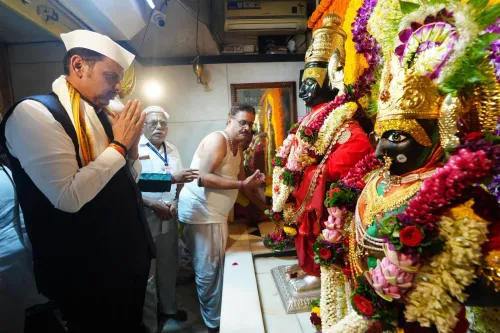
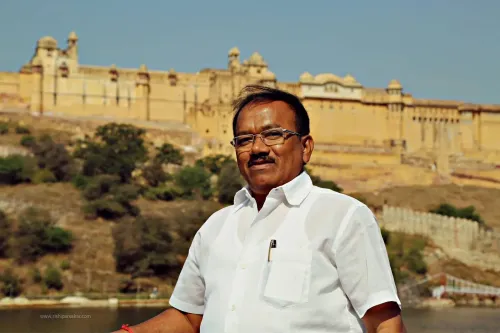
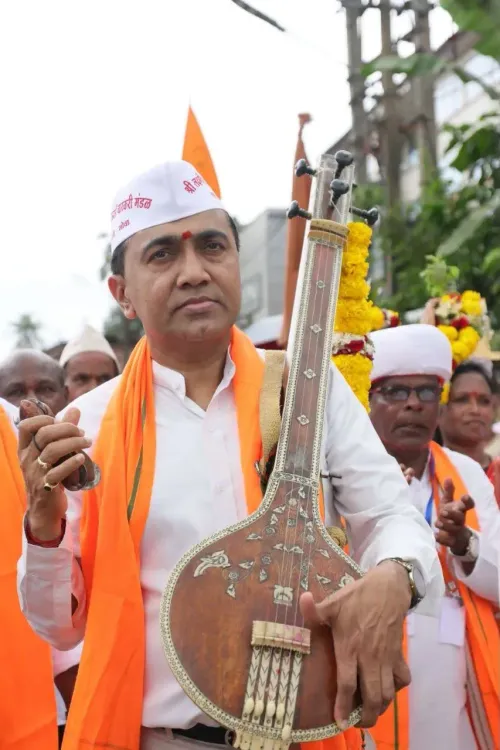
Goa Chief Minister Pramod Sawant offered prayers at the Shri Vitthal-Rakhumai Warkari Dindi in Sankhali, North Goa on 12 July 2026 .
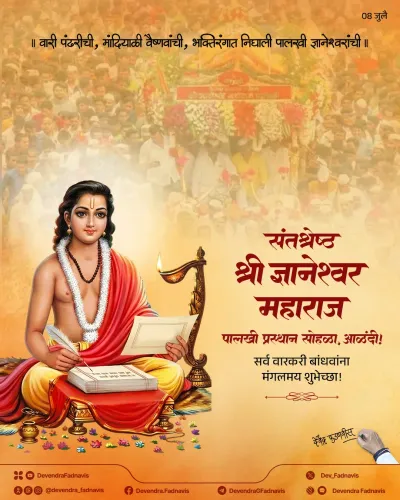
The Dindi is proceeding toward Pandharpur in Maharashtra for the annual Ashadhi Ekadashi festival.
Sawant greeted devotees with the traditional Warkari chant 'Jai Jai Ram Krishna Hari' and extended best wishes to all pilgrims.
The Warkari sampradaya has a longstanding presence in Goa, reflecting the state's cultural overlap with Maharashtra.
Ashadhi Ekadashi draws lakhs of Warkari pilgrims to the Vitthal Temple in Pandharpur each year, typically in June or July.
Goa Chief Minister Pramod Sawant on Sunday, 12 July 2026, visited Sankhali in North Goa to offer prayers at the Shri Vitthal-Rakhumai Warkari Dindi as the procession made its way toward Pandharpur for the annual Ashadhi Ekadashi pilgrimage.
Context
Sawant greeted the Warkari devotees with the traditional salutation 'Jai Jai Ram Krishna Hari' — the sacred chant central to the Warkari sampradaya — and extended his best wishes to all participants undertaking the journey. The Chief Minister's presence at the Sankhali halt underscores the deep devotional ties that Goa shares with the broader Warkari tradition rooted in neighbouring Maharashtra.
The Warkari Dindi is an organised devotional march in which pilgrims sing abhangs and proceed in procession toward Pandharpur, the historic pilgrimage town in Solapur district, Maharashtra. The tradition is centuries old and draws lakhs of devotees across the Ashadh month of the Hindu calendar.
Policy Backdrop
Ashadhi Ekadashi is one of the most significant observances in the Warkari calendar, marking the day when pilgrims converge at the Vitthal Temple in Pandharpur to seek the blessings of Shri Vitthal and Rakhumai, the presiding deities of the shrine. The festival typically falls in June or July and draws participation from communities across Maharashtra, Goa, and Karnataka.
Goa's cultural and linguistic overlap with Maharashtra has long sustained an active Warkari presence in the state. Cross-border dindis that halt at towns such as Sankhali reflect this shared devotional geography. State-level leaders across western India have historically joined such processions as a form of public outreach during major Hindu festivals.
Stakeholders and Impact
The Warkari community represents a broad cross-section of Goan Hindu society, cutting across caste and economic lines. The Chief Minister's participation signals institutional recognition of the community's spiritual journey and its cultural significance to the state.
For Warkari devotees undertaking the long march to Pandharpur, the presence of a constitutional functionary at a midway halt provides both symbolic encouragement and visibility to the tradition. Local Goan Warkari groups that organise or join such dindis have long sought greater logistical and infrastructural support for pilgrims passing through the state.
What's Next
With the Ashadhi Ekadashi processions now in motion, attention will turn to whether the state's tourism and public works departments announce any measures to improve pilgrim facilities or road connectivity for future Ekadashi dindis passing through Goa. CM Sawant's visible association with the Warkari tradition may also prompt renewed discussion around state support for the sampradaya's cultural and infrastructural needs. The broader pattern of BJP leaders engaging with pilgrimage traditions across western India is likely to continue through the Kartiki Ekadashi cycle later in the year.
Point of View
Which commands a significant and politically conscious following across Goa and Maharashtra, offers BJP leaders an opportunity to reinforce cultural solidarity with a broad devotional constituency. Sawant's personal participation — rather than a mere official message — signals the importance the state government places on this community's goodwill. As Goa heads toward its next electoral cycle, such visible engagement with cross-border devotional traditions is likely to remain a fixture of the Chief Minister's public calendar.
NationPress
12 Jul 2026
Frequently Asked Questions
What is Ashadhi Ekadashi and why is it significant?
Ashadhi Ekadashi is an annual Hindu observance in the month of Ashadh when lakhs of Warkari pilgrims march to the Vitthal Temple in Pandharpur, Maharashtra, to seek the blessings of Shri Vitthal and Rakhumai. It is one of the most important festivals in the Warkari devotional calendar.
What is a Warkari Dindi?
A Warkari Dindi is an organised devotional procession in which pilgrims sing abhangs and march in groups toward Pandharpur during Ekadashi cycles. The practice is centuries old and is central to the Warkari sampradaya of Maharashtra and Goa.
Why did CM Pramod Sawant visit Sankhali on 12 July 2026?
Goa Chief Minister Pramod Sawant visited Sankhali to offer prayers at the Shri Vitthal-Rakhumai Warkari Dindi, which had halted in the North Goa town during its journey to Pandharpur for Ashadhi Ekadashi.
Where is Sankhali located?
Sankhali is a town in North Goa district and serves as a point along the route that Warkari Dindis from Goa traverse on their way toward Pandharpur in Maharashtra.
What is the significance of 'Jai Jai Ram Krishna Hari'?
'Jai Jai Ram Krishna Hari' is the traditional devotional chant of the Warkari sampradaya, used as a salutation and during the singing of abhangs throughout the pilgrimage march to Pandharpur.