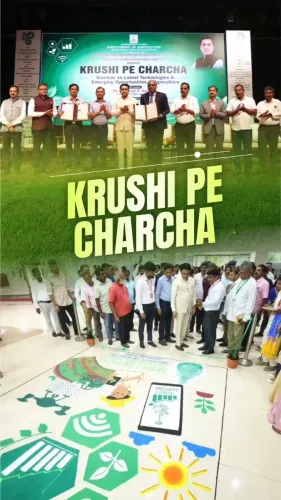
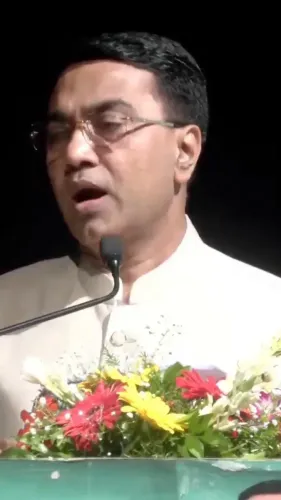
CM Sawant urges Goa farmers to adopt intercropping for self-reliance
Synopsis
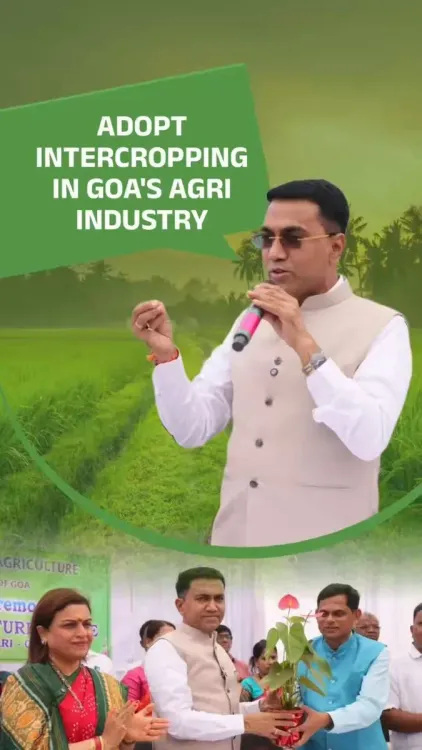
Goa Chief Minister Pramod Sawant has urged the state's farmers to adopt intercropping and sustainable practices to boost productivity, improve soil health and reduce risks — framing smarter farming as a pillar of the state's Swayampurna Goa self-reliance mission.
Key Takeaways
CM Pramod Sawant appealed to Goan farmers on 13 October 2026 to adopt modern, sustainable farming practices.
He specifically cited intercropping as a tool to enhance land productivity and improve soil health.
The appeal is framed under Swayampurna Goa , the state government's initiative for agricultural and rural self-reliance.
Goa's agriculture faces structural challenges: small landholdings, monsoon dependence, and economic competition from tourism.
India's National Mission for Sustainable Agriculture has promoted intercropping nationally for over a decade, providing broader policy context.
The next test is whether state budgets or policy updates back the appeal with farmer training schemes or intercropping subsidies.
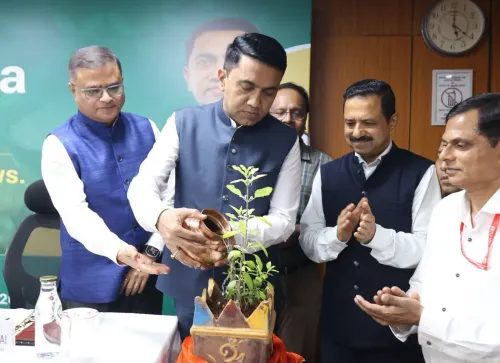
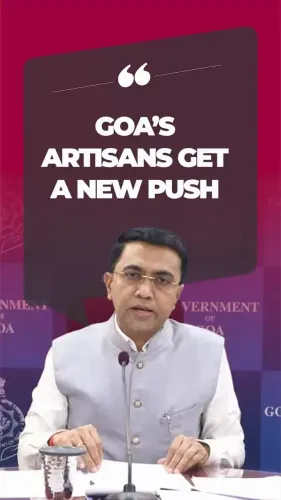
Goa's small farms carry big expectations — and Chief Minister Pramod Sawant wants to make sure they can deliver. On Tuesday, 13 October 2026, the BJP leader turned to social media with a direct appeal to the state's farming community, urging them to embrace modern, sustainable techniques — starting with intercropping — as the foundation of a more resilient agricultural future.
The intercropping push and what it means for Goa's fields
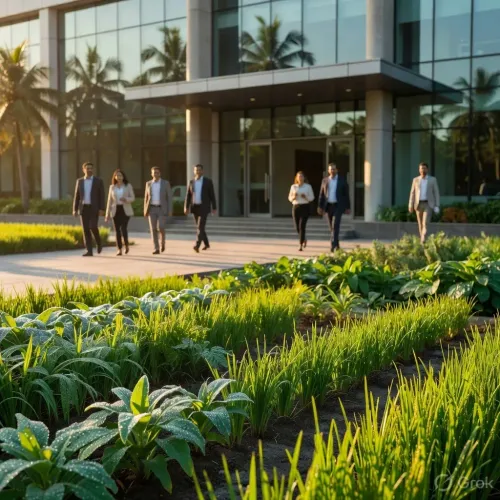
Sawant's call is specific: adopt practices like intercropping, where two or more crops are grown simultaneously on the same plot, to 'enhance land productivity, improve soil health and reduce farming risks.' For a state dominated by small landholdings, the logic is straightforward. More crops on the same land means a single crop failure doesn't wipe out an entire season's income.
Goa's agricultural profile — fragmented plots, monsoon dependence, and persistent competition from the more glamorous tourism sector — makes soil health and yield diversification not a luxury but a necessity. Intercropping directly addresses all three pressure points at once.
Swayampurna Goa: the self-reliance framework behind the message
The Chief Minister closed his appeal with a pointed phrase: 'Swayampurna Goa' — a self-reliance initiative the state government has been pursuing across agriculture and rural development. The vision is a Goa that is less dependent on imports and external supply chains, and more capable of feeding and sustaining itself from within.
This appeal fits squarely into that framework. When farmers diversify their crops and improve their soil, the downstream benefits compound — better household incomes, reduced vulnerability to price shocks, and a stronger rural economy that doesn't rise and fall with tourist footfall.
Alignment with India's national sustainable farming push
Sawant's message also echoes a longer national policy direction. India's National Mission for Sustainable Agriculture, which has promoted intercropping and soil health management for over a decade, provides the policy scaffolding for exactly the kind of state-level action Goa is now signalling. Multiple Indian states facing monsoon variability have made similar calls for climate-resilient practices — but Goa's pitch is sharpened by its unique geography and economic mix.
The next signal to watch: whether Goa's upcoming state budget or agricultural policy announcements include farmer training programmes or intercropping subsidies that translate this public appeal into funded action on the ground.
Point of View
The BJP government is attempting to own the rural self-reliance narrative ahead of future electoral cycles. The real test of intent will come in the budget: if intercropping subsidies and farmer training programmes follow, the appeal becomes policy; if they don't, it remains aspiration. Either way, the messaging aligns Goa with a national trend of state governments using climate-resilient agriculture as a populist-meets-pragmatic political tool.
NationPress
13 Oct 2026
Frequently Asked Questions
What is Swayampurna Goa?
Swayampurna Goa is a Goa state government initiative aimed at achieving self-reliance across sectors including agriculture and rural development, reducing dependence on external supply chains.
What is intercropping and why is Goa's CM recommending it?
Intercropping involves growing two or more crops simultaneously on the same plot of land. CM Sawant recommends it to Goan farmers because it improves land productivity, soil health, and reduces the risk of total crop failure from a single crop.
What challenges does Goa's agriculture sector face?
Goa's agriculture faces small and fragmented landholdings, heavy dependence on monsoon rains, and economic competition from the dominant tourism sector, making diversification and sustainable practices especially important.
Is intercropping supported by any central government policy in India?
Yes. India's National Mission for Sustainable Agriculture, launched in 2010, promotes intercropping and soil health practices as tools to support small farmers and build climate resilience across states.
What should Goan farmers watch for after this announcement?
Farmers should watch for state budget announcements or agricultural policy updates that include dedicated funding for intercropping subsidies, farmer training programmes, or soil health schemes under the Swayampurna Goa framework.