Punjab's 'Yudh Nashean Virudh' biker rally unites youth against drugs
Synopsis
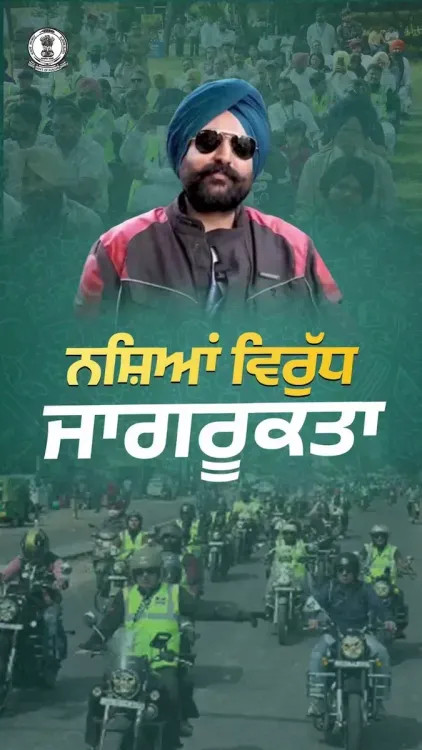
Punjab's CMO spotlighted a 'Yudh Nashean Virudh' bikers' rally on 13 October 2026, where participant Jaspreet Singh and fellow bikers praised the anti-drug initiative and urged youth to stay drug-free and embrace constructive hobbies.
Key Takeaways
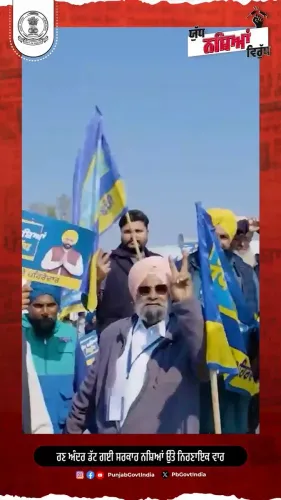
The Chief Minister's Office of Punjab shared highlights from the 'Yudh Nashean Virudh' (War Against Drugs) bikers' rally on 13 October 2026 .
Participant Jaspreet Singh and other bikers publicly praised the initiative and called it a powerful tool for uniting youth.
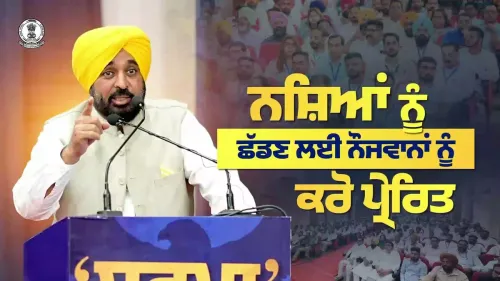
Participants said such events motivate young people to stay away from drugs and adopt constructive hobbies.
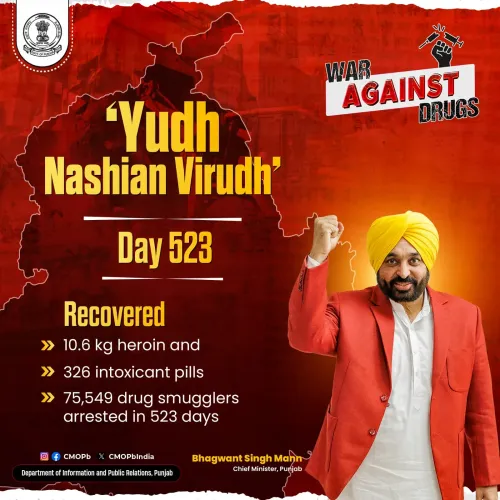
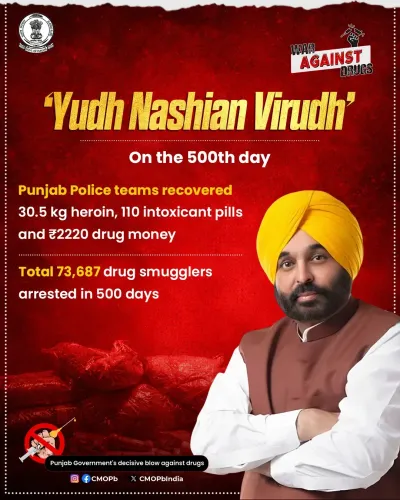
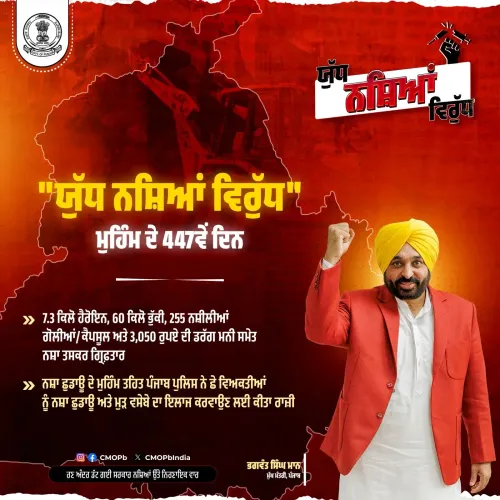
The campaign is backed by the Bhagwant Mann government and combines enforcement with community-driven public awareness events.
Punjab has a documented history of substance abuse challenges, making youth-targeted outreach a continued policy priority.
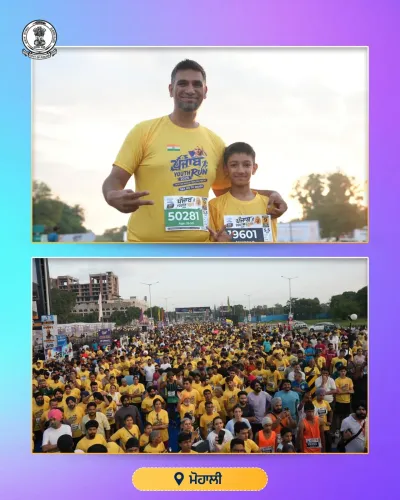
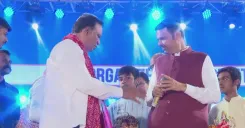
Hundreds of wheels and one clear message: Punjab's streets are no place for drugs. On Tuesday, 13 October 2026, the Chief Minister's Office of Punjab highlighted a bikers' rally held under the state's flagship anti-narcotics campaign 'Yudh Nashean Virudh' — War Against Drugs — where participants including biker Jaspreet Singh publicly praised the initiative and called on young people to ride toward a drug-free future.
The post, shared from the CMO Punjab official handle, quoted the participants' message directly: such initiatives unite young people, keep them away from drugs, and inspire them to adopt constructive hobbies. It is the kind of grassroots mobilisation that Chief Minister Bhagwant Mann's administration has leaned into — turning public spaces and community identities, in this case biker culture, into platforms for social messaging.Why biker culture and why now
Punjab carries a well-documented burden of substance abuse, one that successive governments have wrestled with and one that continues to define political conversations in the state. The current administration's approach under 'Yudh Nashean Virudh' consciously pairs enforcement with high-visibility public events designed to channel youth energy rather than simply restrict it.
Bikers are a natural fit for that strategy. Motorcycle rallies generate attention, create a sense of belonging, and attract exactly the demographic — young men, often in peer groups — most vulnerable to drug networks. Routing that identity toward anti-drug advocacy is a calculated pivot, and the smiles and sound bites from participants like Jaspreet Singh are the proof-of-concept the government wants amplified.
'Constructive hobbies' as the counter-narrative
The phrase the participants used — 'ਉਸਾਰੂ ਸ਼ੌਕ ਅਪਣਾਉਣ' (adopt constructive hobbies) — lands as more than feel-good language. It outlines a deliberate alternative: if a young person's evenings are filled with rides, rallies, and community, there is less room for substance networks to operate. Punjab governments have run periodic anti-narcotics awareness drives for years, but the current campaign's consistent branding and repeat public events signal an attempt to build something more durable than a one-off drive.
What to watch next: whether the 'Yudh Nashean Virudh' calendar expands with additional city rallies, how state budget allocations reflect this community-engagement model, and whether participation numbers grow enough to sustain the campaign's momentum heading into the next electoral cycle.
Point of View
The Bhagwant Mann government signals an understanding that peer influence is as powerful a drug deterrent as policing. The risk, however, is that high-visibility rallies substitute for structural interventions; without corresponding progress in rehabilitation infrastructure and supply-chain disruption, the optics of such events can outlast their impact. How the state sustains and measures this campaign beyond election cycles will be the real test of its seriousness.
NationPress
13 Oct 2026
Frequently Asked Questions
What is the 'Yudh Nashean Virudh' campaign in Punjab?
'Yudh Nashean Virudh' — meaning 'War Against Drugs' — is the Punjab government's state-led anti-narcotics campaign that combines enforcement with public awareness events, rallies, and youth engagement activities to discourage substance abuse.
What happened at the Punjab bikers' anti-drug rally on 13 October 2026?
Bikers including Jaspreet Singh participated in the 'Yudh Nashean Virudh' rally, praising the initiative and urging young people to stay drug-free and adopt constructive hobbies. The event was highlighted by the Chief Minister's Office of Punjab.
Who is leading Punjab's anti-drug campaign?
Chief Minister Bhagwant Mann's administration is spearheading the 'Yudh Nashean Virudh' campaign, which uses a mix of law enforcement and public community events to fight drug abuse in Punjab.
Why is Punjab particularly focused on anti-drug campaigns?
Punjab has a well-documented history of substance abuse challenges, especially among young people. Successive state governments have prioritised anti-drug drives, and the issue remains a significant social and political concern in the state.
How do biker rallies help in anti-drug awareness?
Biker rallies target the exact demographic most vulnerable to drug networks — young men in peer groups — and channel that energy into community identity and pro-social messaging, making them an effective platform for anti-drug outreach.